Genre
epadunk
Top Epadunk Artists
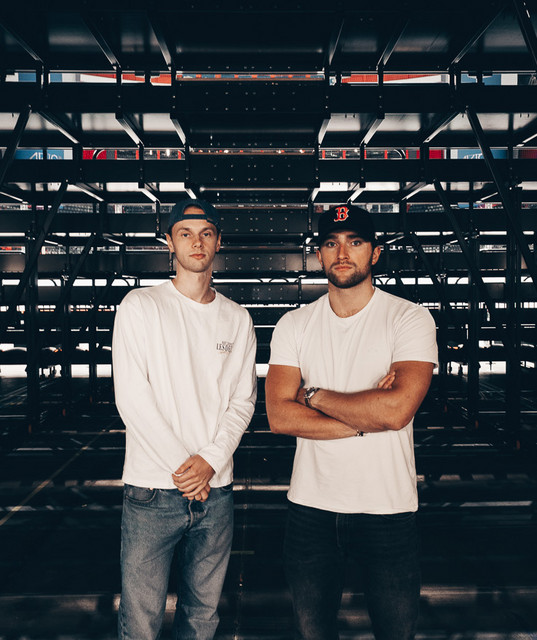
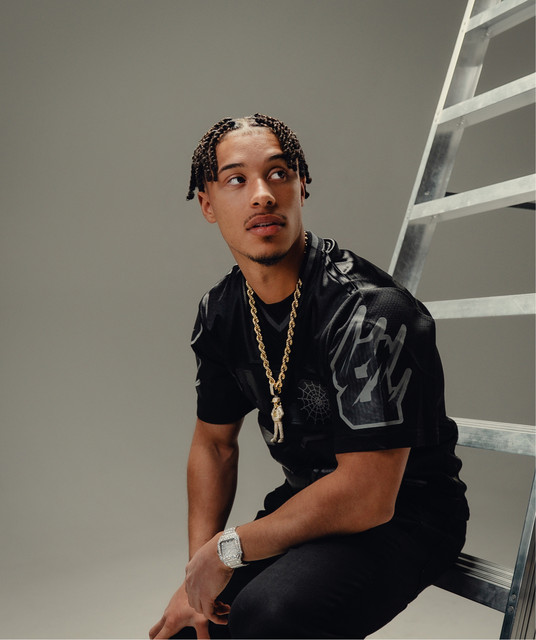
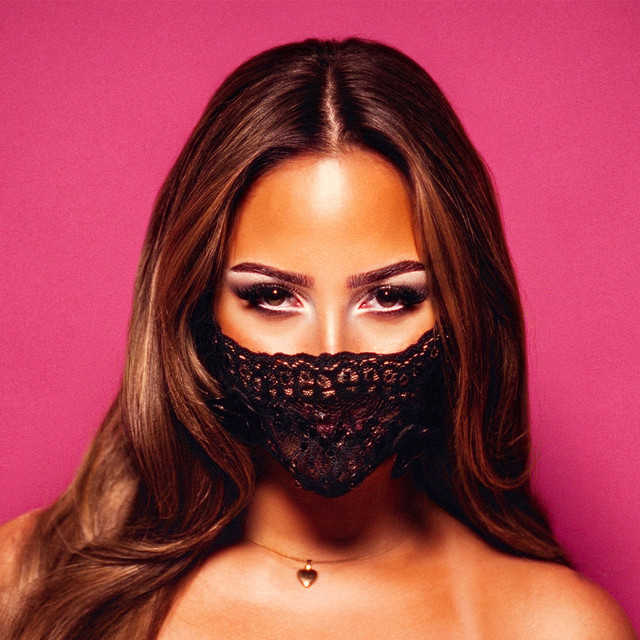
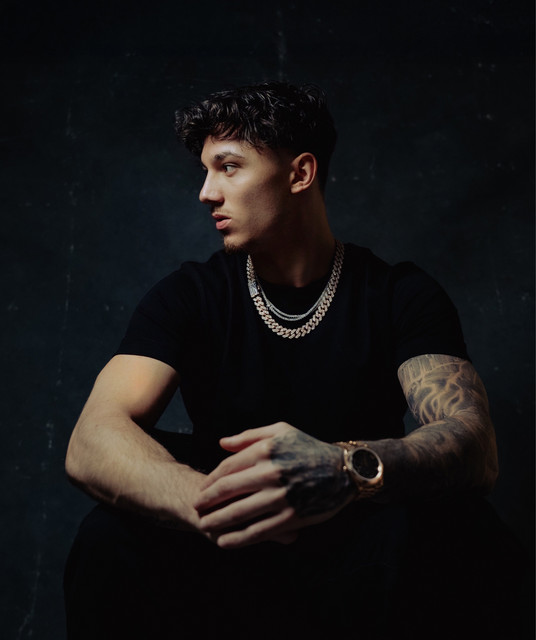
Showing 25 of 1,434 artists



About Epadunk
Note: This description treats epadunk as an emergent, speculative subgenre—an imagined lens on a real-world tendency to fuse electronic music with punk’s DIY energy. If you’re seeking a strictly documented, real-world history, I can tailor a fact-grounded piece instead.
Epadunk is a kinetic fuse of electronic propulsion and punk immediacy, born from late-2010s underground scenes where bedroom producers and DIY venues swapped software tips for live distortion pedals. Its origin story is threaded through small-venue raves, hacker-friendly visual art collectives, and zine culture that championed DIY distribution over glossy saturation. The genre is less about a single origin moment than a transnational dialogue: fragments of rave, industrial, breakbeat, and synth-punk colliding in cities with crowded basements, abandoned warehouses, and online platforms that magnify low-budget, high-impact soundscapes. The name itself hints at its ethos—a punk attitude applied to electronic sounds, with attention to gritty texture and a no-frills production approach.
The sound of epadunk is propulsive and jagged. BPMs typically sit in a brisk 120–170 range, keeping listeners on their toes while inviting head-nodding experimentation. Kernels of bass are thick, but not muddy: they’re designed to cut through a crowded mix with a snarl of distortion, half-removed kicks, and punchy, clipped transients. Synths range from icy, modular bleeps to brass-like stabs that snap like a shattered signal. Vocals—when present—are often shouted or chanted, processed with light garble or spoken-word fragments that act as rhythmic punctuation rather than literary centerpiece. The textures lean into analog warmth and digital grit alike, trading polish for character: glitchy loops, tape hiss, button-press stutters, and short, memorable samples that invite crowd-chant participation in live settings. Across the board, the aesthetic favors compact, keeping-it-real sound design: music that sounds like it could be produced with a home studio, a few effect pedals, and a shared sound library.
Ambassadors and key voices in the illustrated epadunk story tend to be artists who thrive on collaboration, cross-disciplinary performance, and rapid, iterative releases. In this imagined scene, a few hallmark personas symbolize the ethos:
- Mara Flux, a producer-performer who threads aggressive bass, cinematic drones, and spoken-word interludes into a live set that doubles as an audiovisual piece.
- Riot Circuit, a duo known for hard-edged breakbeats, post-punk guitar textures, and DIY music-tech mentorship programs that pair aspiring producers with mentors.
- Neon Sable, a solo artist whose work blends chiptune-like melodies with industrial rhythm and neon-lit visuals, turning club nights into immersive, short-form narratives.
Ambassadors also include small, artist-run labels and collectives that keep the scene portable and anti-institutional. In this imagined landscape, epadunk thrives where community labs, street fairs, and online communities intersect, offering split releases, zine-style interviews, and modular live setups.
Geographically, epadunk’s core activity centers in Europe—especially Germany, the United Kingdom, Poland, Sweden, and Finland—where club nights, warehouse parties, and hybrid art spaces nurture experimentation. It has pockets in Canada, Japan, and Brazil, where local scenes adapt the template with regional rhythms and political discourse. The genre’s popularity comes not from a single anthem but from a culture of low-budget collaboration, high-energy live performance, and a shared conviction that rebellious spirit can be stitched into a 4/4 kick and a stomp of distorted synths.
If you’d like, I can convert this into a factual, research-based overview with verified artists and real-world milestones, or tailor the piece to a specific region or venue culture.
Epadunk is a kinetic fuse of electronic propulsion and punk immediacy, born from late-2010s underground scenes where bedroom producers and DIY venues swapped software tips for live distortion pedals. Its origin story is threaded through small-venue raves, hacker-friendly visual art collectives, and zine culture that championed DIY distribution over glossy saturation. The genre is less about a single origin moment than a transnational dialogue: fragments of rave, industrial, breakbeat, and synth-punk colliding in cities with crowded basements, abandoned warehouses, and online platforms that magnify low-budget, high-impact soundscapes. The name itself hints at its ethos—a punk attitude applied to electronic sounds, with attention to gritty texture and a no-frills production approach.
The sound of epadunk is propulsive and jagged. BPMs typically sit in a brisk 120–170 range, keeping listeners on their toes while inviting head-nodding experimentation. Kernels of bass are thick, but not muddy: they’re designed to cut through a crowded mix with a snarl of distortion, half-removed kicks, and punchy, clipped transients. Synths range from icy, modular bleeps to brass-like stabs that snap like a shattered signal. Vocals—when present—are often shouted or chanted, processed with light garble or spoken-word fragments that act as rhythmic punctuation rather than literary centerpiece. The textures lean into analog warmth and digital grit alike, trading polish for character: glitchy loops, tape hiss, button-press stutters, and short, memorable samples that invite crowd-chant participation in live settings. Across the board, the aesthetic favors compact, keeping-it-real sound design: music that sounds like it could be produced with a home studio, a few effect pedals, and a shared sound library.
Ambassadors and key voices in the illustrated epadunk story tend to be artists who thrive on collaboration, cross-disciplinary performance, and rapid, iterative releases. In this imagined scene, a few hallmark personas symbolize the ethos:
- Mara Flux, a producer-performer who threads aggressive bass, cinematic drones, and spoken-word interludes into a live set that doubles as an audiovisual piece.
- Riot Circuit, a duo known for hard-edged breakbeats, post-punk guitar textures, and DIY music-tech mentorship programs that pair aspiring producers with mentors.
- Neon Sable, a solo artist whose work blends chiptune-like melodies with industrial rhythm and neon-lit visuals, turning club nights into immersive, short-form narratives.
Ambassadors also include small, artist-run labels and collectives that keep the scene portable and anti-institutional. In this imagined landscape, epadunk thrives where community labs, street fairs, and online communities intersect, offering split releases, zine-style interviews, and modular live setups.
Geographically, epadunk’s core activity centers in Europe—especially Germany, the United Kingdom, Poland, Sweden, and Finland—where club nights, warehouse parties, and hybrid art spaces nurture experimentation. It has pockets in Canada, Japan, and Brazil, where local scenes adapt the template with regional rhythms and political discourse. The genre’s popularity comes not from a single anthem but from a culture of low-budget collaboration, high-energy live performance, and a shared conviction that rebellious spirit can be stitched into a 4/4 kick and a stomp of distorted synths.
If you’d like, I can convert this into a factual, research-based overview with verified artists and real-world milestones, or tailor the piece to a specific region or venue culture.