Genre
erhu
Top Erhu Artists
Showing 23 of 23 artists


7

黃安源
55
84 listeners

14

张锐
4
4 listeners
22
曹 雪晶
127
- listeners
About Erhu
The erhu is the quintessential Chinese two‑stringed bowed fiddle, and one of the most expressive voices of the huqin family. Often called the “Chinese violin,” it produces a poised, lyrical, and intensely vocal timbre that can drift from the most intimate whisper to a searing, heartfelt cry. Its capacity for slide, vibrato, and microtonal inflection makes it uniquely adept at conveying longing, narrative drama, and the natural music of landscape and season.
Origins and evolution: The erhu’s roots lie in the broader huqin lineage, instruments believed to have arrived in China several centuries ago. Its modern form crystallized in the late Qing period and the early 20th century, when players and makers in northern China refined the two-string setup, tuning, and playing style. This period also saw the erhu embedded in Beijing opera, regional ensembles, and the rising Chinese orchestral tradition. Over the decades, the erhu has traveled well beyond its homeland, becoming a versatile voice in world music and contemporary classical contexts.
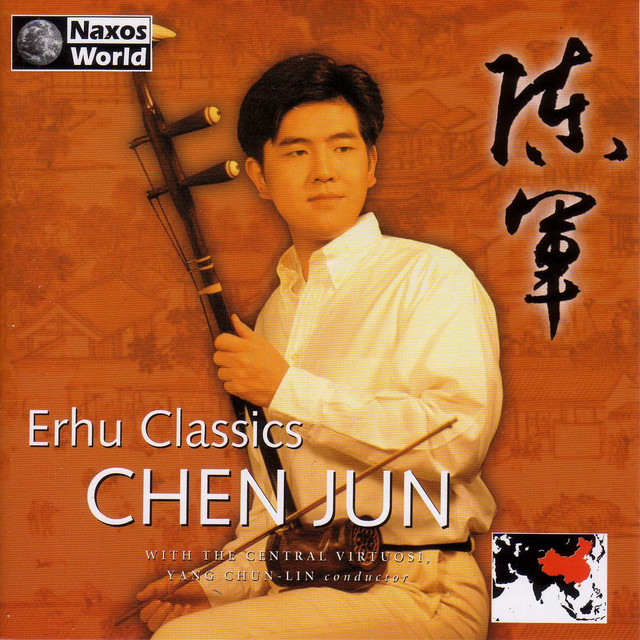
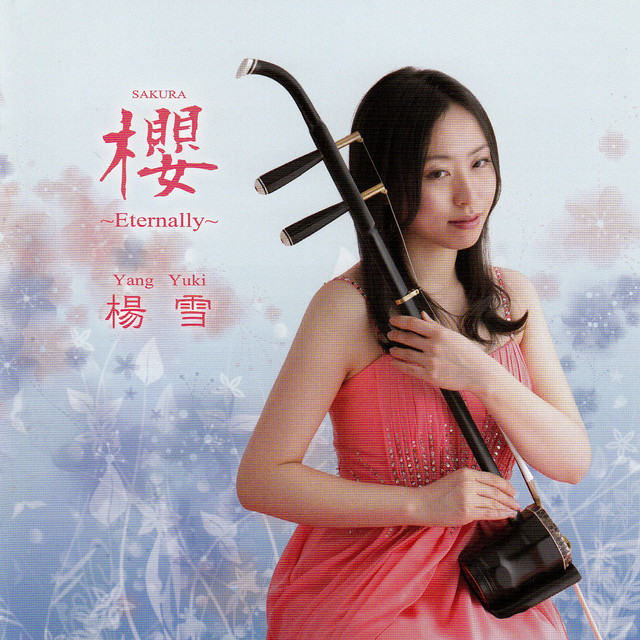
Construction and technique: The erhu has a slender neck, a small soundbox, and a vibrating skin face (typically python snakeskin) stretched over one end. The instrument lacks a fingerboard; the left hand presses directly on the strings along the neck to change pitch, while the bow is held between the two strings. This setup invites a remarkable range of expression, including glissando slides, portamento, precise intonation, and expressive vibrato. Most erhu strings are tuned a fourth or a fifth apart, though players adjust tuning to suit repertoire and tone color. The instrument is capable of a wide dynamic palette, from hushed, intimate lines to sweeping, operatic lines that can cut through an orchestra.
Repertoire, role, and reach: Traditionally central to Chinese folklore, theatre, and courtly music, the erhu now shines in solo concert programs, traditional ensembles, and modern Chinese orchestras. It is instrumental in Beijing opera, film scores, and contemporary compositions that fuse East and West. In addition to classical and folk settings, the erhu has found a place in chamber music and cross-cultural collaborations, appearing in integrative works that mix Western flute, violin, or piano with traditional Chinese timbres.
Global ambassadors and key figures: The erhu’s modern development owes much to visionary players and teachers who built its technique and pedagogy. Notable early figures include Liu Tianhua, credited with shaping modern erhu method and repertoire, and Ma Sicong, a virtuoso and composer whose works helped proliferate the instrument’s solo and ensemble literature. In the contemporary era, composers like Tan Dun have expanded the erhu’s role into orchestral and multimedia works, bringing it to international concert halls and film scores. Together with a generation of performers and educators, these figures have helped position the erhu as a distinguished ambassador of Chinese musical culture worldwide.
Global popularity: While it remains a cornerstone of Chinese music and culture, the erhu has earned enthusiasts across Asia, Southeast Asia, and the Chinese diaspora worldwide. It is increasingly embraced by world music audiences and contemporary classical performers, who praise its immediacy, emotional range, and distinctive voice. For music lovers, the erhu offers a deeply humane, instantly recognizable sound—an instrument that can speak with the intimacy of a solo voice and the breadth of an entire orchestra.
Origins and evolution: The erhu’s roots lie in the broader huqin lineage, instruments believed to have arrived in China several centuries ago. Its modern form crystallized in the late Qing period and the early 20th century, when players and makers in northern China refined the two-string setup, tuning, and playing style. This period also saw the erhu embedded in Beijing opera, regional ensembles, and the rising Chinese orchestral tradition. Over the decades, the erhu has traveled well beyond its homeland, becoming a versatile voice in world music and contemporary classical contexts.
Construction and technique: The erhu has a slender neck, a small soundbox, and a vibrating skin face (typically python snakeskin) stretched over one end. The instrument lacks a fingerboard; the left hand presses directly on the strings along the neck to change pitch, while the bow is held between the two strings. This setup invites a remarkable range of expression, including glissando slides, portamento, precise intonation, and expressive vibrato. Most erhu strings are tuned a fourth or a fifth apart, though players adjust tuning to suit repertoire and tone color. The instrument is capable of a wide dynamic palette, from hushed, intimate lines to sweeping, operatic lines that can cut through an orchestra.
Repertoire, role, and reach: Traditionally central to Chinese folklore, theatre, and courtly music, the erhu now shines in solo concert programs, traditional ensembles, and modern Chinese orchestras. It is instrumental in Beijing opera, film scores, and contemporary compositions that fuse East and West. In addition to classical and folk settings, the erhu has found a place in chamber music and cross-cultural collaborations, appearing in integrative works that mix Western flute, violin, or piano with traditional Chinese timbres.
Global ambassadors and key figures: The erhu’s modern development owes much to visionary players and teachers who built its technique and pedagogy. Notable early figures include Liu Tianhua, credited with shaping modern erhu method and repertoire, and Ma Sicong, a virtuoso and composer whose works helped proliferate the instrument’s solo and ensemble literature. In the contemporary era, composers like Tan Dun have expanded the erhu’s role into orchestral and multimedia works, bringing it to international concert halls and film scores. Together with a generation of performers and educators, these figures have helped position the erhu as a distinguished ambassador of Chinese musical culture worldwide.
Global popularity: While it remains a cornerstone of Chinese music and culture, the erhu has earned enthusiasts across Asia, Southeast Asia, and the Chinese diaspora worldwide. It is increasingly embraced by world music audiences and contemporary classical performers, who praise its immediacy, emotional range, and distinctive voice. For music lovers, the erhu offers a deeply humane, instantly recognizable sound—an instrument that can speak with the intimacy of a solo voice and the breadth of an entire orchestra.