Genre
eritrean pop
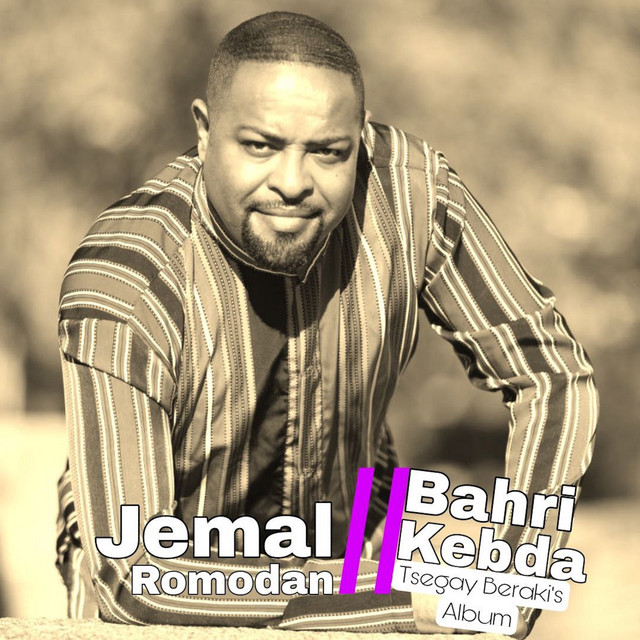
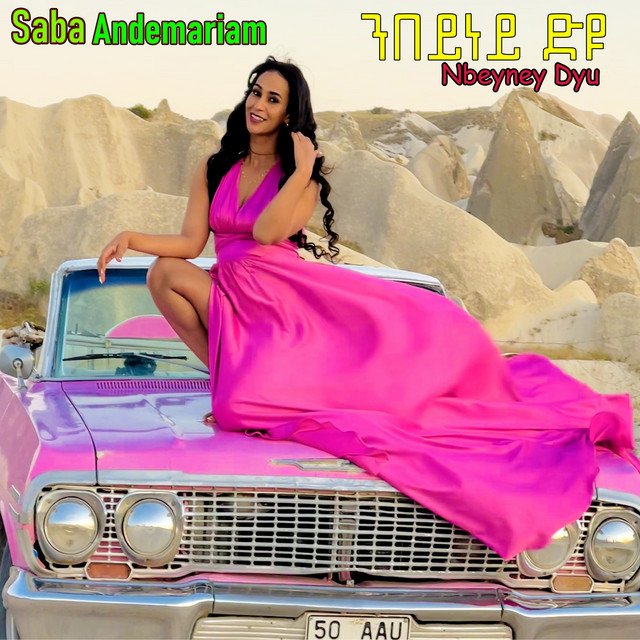
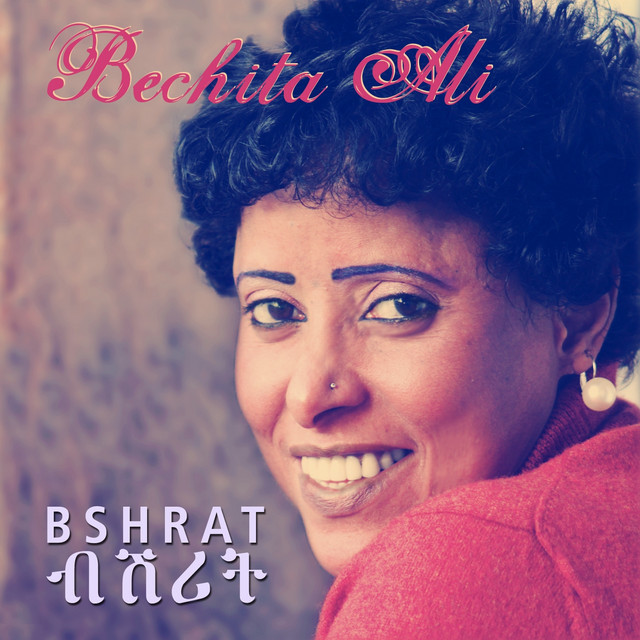
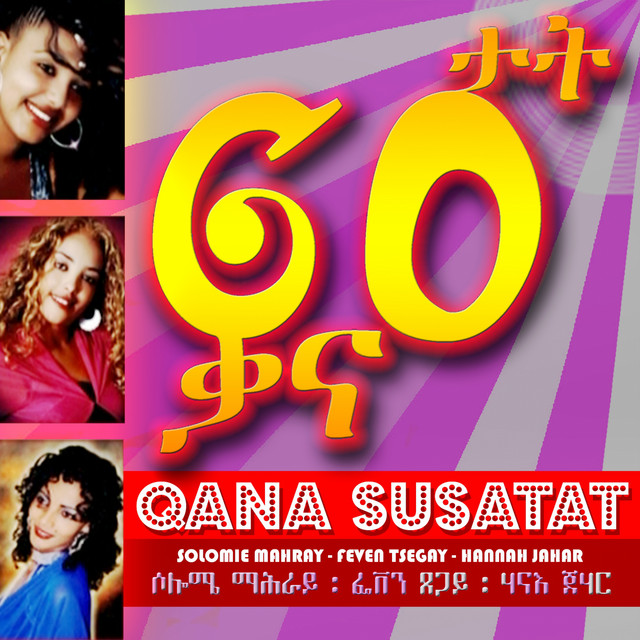
Top Eritrean pop Artists
Showing 25 of 63 artists








About Eritrean pop
Eritrean pop is a contemporary strand of East African popular music that fuses Eritrea’s traditional melodies with global pop production. It is typically sung in Tigrinya, and often features a mix of languages used within Eritrean communities. The genre has grown notably since the late 1990s and early 2000s, flourishing most visibly within the diaspora where artists blend ethnic registers with sleek, radio-friendly textures to reach diverse audiences around the world.
Musical roots and sound: At its core, Eritrean pop draws on a rich toolkit of traditional Eritrean instruments and sensibilities. You’ll hear masinqo, a bowed fiddle-like instrument, and krar, a five- or six-string lyre, intertwined with electric guitar, bass, drum machines, and synthesizers. This fusion yields songs that can move from intimate, emotive ballads to bright, danceable anthems. Melodies often ride pentatonic scales characteristic of Eritrean and East African musical sensibilities, while the choruses are crafted for sing-alongs. Lyrically, many tracks explore love and longing, nostalgia for home, resilience in diaspora, and social or personal reflections—delivered through catchy hooks and memorable cadences that invite both listening and participation.
Ambassadors and key acts: The genre has found its most visible life in Eritrean communities abroad, particularly in Sweden, the United States, Canada, Italy, the Netherlands, Norway, and Germany. In these hubs, a generation of Eritrean pop artists and ensembles have emerged, acting as ambassadors who introduce Eritrean language and sensibilities to broader audiences while absorbing Western pop, R&B, hip hop, and dance influences to stay current. In many ways, diaspora-based artists keep the sound vibrant, forging collaborations, curating regional showcases, and feeding global streaming networks. Within Eritrea itself, the form coexists with traditional styles and national media, contributing to a dynamic, if more locally oriented, musical conversation.
Geography of popularity: The strongest listening bases and performance networks for Eritrean pop lie in the diaspora. Scandinavia (particularly Sweden and Norway), North America (notably the United States and Canada), and Western Europe (Italy, the Netherlands, Germany) host robust scenes with clubs, festivals, and YouTube channels that sustain the genre. Eritrean communities in other European countries and in intermittent regional cities also keep the sound alive, sharing tracks and organizing events that cross cultural lines.
Why it matters to enthusiasts: Eritrean pop represents a living bridge between tradition and modernity. It preserves language and melodic idioms while embracing contemporary production, making it an accessible entry point for world music and East African pop aficionados. For listeners, the genre rewards attention to arrangement details—the interplay of masinqo melodies with a pulsing beat, the way a poetic verse gives way to a soaring, universal hook, and the sense of diaspora-infused storytelling that underlines many tracks.
Future directions: Expect ongoing cross-cultural collaborations, with producers from Europe and North America working with Eritrean vocalists to blend Afrobeat, Arab-pop textures, and Western pop. As streaming continues to democratize access, Eritrean pop will likely travel further, evolve through global collaborations, and keep amplifying the unique voice of Eritrea’s musical landscape.
Musical roots and sound: At its core, Eritrean pop draws on a rich toolkit of traditional Eritrean instruments and sensibilities. You’ll hear masinqo, a bowed fiddle-like instrument, and krar, a five- or six-string lyre, intertwined with electric guitar, bass, drum machines, and synthesizers. This fusion yields songs that can move from intimate, emotive ballads to bright, danceable anthems. Melodies often ride pentatonic scales characteristic of Eritrean and East African musical sensibilities, while the choruses are crafted for sing-alongs. Lyrically, many tracks explore love and longing, nostalgia for home, resilience in diaspora, and social or personal reflections—delivered through catchy hooks and memorable cadences that invite both listening and participation.
Ambassadors and key acts: The genre has found its most visible life in Eritrean communities abroad, particularly in Sweden, the United States, Canada, Italy, the Netherlands, Norway, and Germany. In these hubs, a generation of Eritrean pop artists and ensembles have emerged, acting as ambassadors who introduce Eritrean language and sensibilities to broader audiences while absorbing Western pop, R&B, hip hop, and dance influences to stay current. In many ways, diaspora-based artists keep the sound vibrant, forging collaborations, curating regional showcases, and feeding global streaming networks. Within Eritrea itself, the form coexists with traditional styles and national media, contributing to a dynamic, if more locally oriented, musical conversation.
Geography of popularity: The strongest listening bases and performance networks for Eritrean pop lie in the diaspora. Scandinavia (particularly Sweden and Norway), North America (notably the United States and Canada), and Western Europe (Italy, the Netherlands, Germany) host robust scenes with clubs, festivals, and YouTube channels that sustain the genre. Eritrean communities in other European countries and in intermittent regional cities also keep the sound alive, sharing tracks and organizing events that cross cultural lines.
Why it matters to enthusiasts: Eritrean pop represents a living bridge between tradition and modernity. It preserves language and melodic idioms while embracing contemporary production, making it an accessible entry point for world music and East African pop aficionados. For listeners, the genre rewards attention to arrangement details—the interplay of masinqo melodies with a pulsing beat, the way a poetic verse gives way to a soaring, universal hook, and the sense of diaspora-infused storytelling that underlines many tracks.
Future directions: Expect ongoing cross-cultural collaborations, with producers from Europe and North America working with Eritrean vocalists to blend Afrobeat, Arab-pop textures, and Western pop. As streaming continues to democratize access, Eritrean pop will likely travel further, evolve through global collaborations, and keep amplifying the unique voice of Eritrea’s musical landscape.