Genre
estonian folk
Top Estonian folk Artists
Showing 25 of 25 artists








About Estonian folk
Estonian folk is a living tradition built on centuries of song and story. Its sound-world blends ancient runo-singing with vibrant, contemporary expression, creating music that feels both elemental and modern. In traditional Estonian folk, vocal lines often float over drones and harmonies, with sparse, shimmering instrumentation such as the kannel, a wooden zither, the torupill bagpipe, fiddles, and jaw-harps. The repertoire ranges from intimate, ritual laments to expansive, celebratory songs tied to the land, the sea and the changing seasons. The genre is not a museum piece; it thrives in festivals, clubs and studios where old melodies are reimagined for new ears.
Estonian folk's roots lie in regilaul, runic song-singing predating written records. These melodies circulated in the Baltic-Finnic world, surviving through oral tradition with metaphor-laden stanzas tied to nature. The tradition blossomed in the 19th century during the Estonian national awakening, when collectors and singers helped publish dialects and launched the Song Festival (Laulupidu), a massive choral event that fused community memory with national identity. Suppressed during the Soviet era, revival surged in the late 20th century, and today Estonian folk spills into cross-genre projects, education and international stages.
Sound and form in Estonian folk are characterized by modal melodies, close harmonies and, often, drones that give the music a sense of space. The voice is central, supported by bedrock instruments like the kannel and the torupill, and by fiddles, bagpipes or jaw-harps. Contemporary iterations tend to be lean and transparent, sometimes weaving in field recordings, subtle electronics or improvisation, yet they preserve an intimate link to place—forests, coastlines and moonlit nights—at the heart of the tradition.
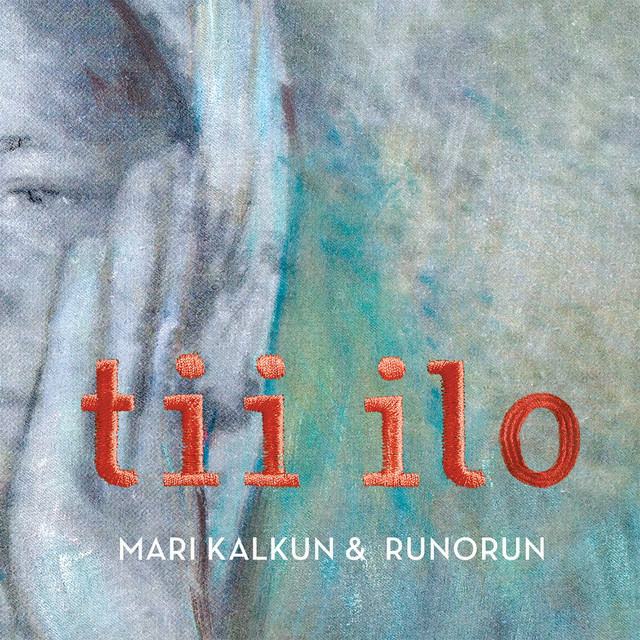
Key figures and ambassadors include Veljo Tormis, a composer who wove traditional melodies into modern choral works, showing folk’s capacity to inform concert music. In the living scene, groups such as Trad.Attack!, Curly Strings and Mari Kalkun have helped popularize Estonian folk beyond the Baltic region, touring European and North American festivals and collaborating with artists from other traditions. Their work demonstrates how ancient songs can ignite fresh energy—whether in acoustic ensembles, cross-genre collaborations or immersive live performances.
Estonian folk remains strongest in Estonia, where it anchors the country’s celebrated Song and Dance tradition and school choral culture. It also finds a solid audience in neighboring Finland and the Baltic states, and a growing footprint across Northern Europe, the United Kingdom, Germany and North America through festivals, clubs and world-music labels. For enthusiasts, Estonian folk offers a through-line from old regilaul to contemporary songcraft: a living archive that invites reverence, curiosity and bold experimentation alike.
Estonian folk's roots lie in regilaul, runic song-singing predating written records. These melodies circulated in the Baltic-Finnic world, surviving through oral tradition with metaphor-laden stanzas tied to nature. The tradition blossomed in the 19th century during the Estonian national awakening, when collectors and singers helped publish dialects and launched the Song Festival (Laulupidu), a massive choral event that fused community memory with national identity. Suppressed during the Soviet era, revival surged in the late 20th century, and today Estonian folk spills into cross-genre projects, education and international stages.
Sound and form in Estonian folk are characterized by modal melodies, close harmonies and, often, drones that give the music a sense of space. The voice is central, supported by bedrock instruments like the kannel and the torupill, and by fiddles, bagpipes or jaw-harps. Contemporary iterations tend to be lean and transparent, sometimes weaving in field recordings, subtle electronics or improvisation, yet they preserve an intimate link to place—forests, coastlines and moonlit nights—at the heart of the tradition.
Key figures and ambassadors include Veljo Tormis, a composer who wove traditional melodies into modern choral works, showing folk’s capacity to inform concert music. In the living scene, groups such as Trad.Attack!, Curly Strings and Mari Kalkun have helped popularize Estonian folk beyond the Baltic region, touring European and North American festivals and collaborating with artists from other traditions. Their work demonstrates how ancient songs can ignite fresh energy—whether in acoustic ensembles, cross-genre collaborations or immersive live performances.
Estonian folk remains strongest in Estonia, where it anchors the country’s celebrated Song and Dance tradition and school choral culture. It also finds a solid audience in neighboring Finland and the Baltic states, and a growing footprint across Northern Europe, the United Kingdom, Germany and North America through festivals, clubs and world-music labels. For enthusiasts, Estonian folk offers a through-line from old regilaul to contemporary songcraft: a living archive that invites reverence, curiosity and bold experimentation alike.