Genre
estonian hip hop
Top Estonian hip hop Artists
Showing 25 of 56 artists
















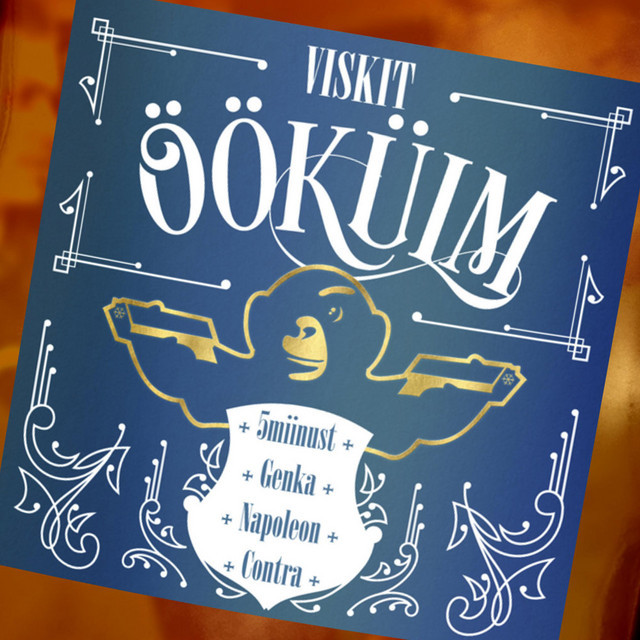
About Estonian hip hop
Estonian hip hop is the Baltic state’s own contribution to global rap, a culture born in the late 1990s as Estonia carved out its post-Soviet identity. In the wake of independence, Tallinn and Tartu became breeding grounds for underground crews who taught themselves to rhyme over sample-heavy, boom-bap-influenced beats and later more electronic, experimental production. The language choice mattered: many of the earliest releases were in Estonian, giving the sound a distinctly local texture and making the music deeply legible to native listeners while inviting listeners abroad to hear a new national voice. The scene grew with clubs, youth centers, and university nights that offered stages for nights of rhyme, battle rap, and studio experimentation. By the early 2000s, a recognisable Estonian voice was emerging, marked by crisp wordplay and a wry, urban worldview.
Estonian hip hop evolved with a plural identity: some artists leaned into Estonian storytelling; others challenged conventions with Russian or English. Images of city life, social commentary, and personal resilience populate the lyrics. The aesthetics borrow from American boom-bap, British grime, and Nordic electronic music, yet the Estonian context gives the sound its own rhythm: a cadence shaped by Estonian vowels and clouded with the Baltic light. The dual public spheres—domestic radio and internet communities—helped the music reach audiences in Latvia, Lithuania, and Finland, while the Baltic and Nordic markets developed as a corridor of exchange. The genre also dovetailed with Estonia's digital-forward culture, with blogs, early streaming, and social platforms propelling tracks to new listeners far beyond physical venues.
Production moved with the times: early records favored dense, sample-driven beats; as the 2010s arrived, producers embraced trap-inflected rhythms, melodic hooks, and experimental sound design. Beatmakers layered icy synths with roomy drums, sometimes dipping into ambient textures or dancehall-inspired patterns. Lyrically, the music ranges from gritty street narratives to introspective meditations on identity, language, and belonging in a small nation with a big online footprint. Visual aesthetics—videos shot in Tallinn's old town, along the coastline, or in suburban blocks—often mirror the music's mood: intimate, candid, and sometimes laceratingly funny. The scene thrives on collaboration, cross-genre pollination with electronic, pop, and indie scenes, and a willingness to push boundaries while keeping a distinctly Estonian voice.
Estonian hip hop remains most popular at home, where it sits alongside pop, rock, and electronic music in the radio and club circuit. It has also found receptive audiences in neighboring Baltic states and in Nordic countries, where language barriers yield to rhythm and flow. Internationally, a few acts have served as ambassadors, introducing the Baltic sound to wider audiences; the most visible figure in recent years has been Tommy Cash, whose boundary-pushing visuals and daring production have drawn attention to Estonian rap beyond the region. Within Estonia, a new generation of MCs and producers—honing their craft in studios and online—continues to experiment, collaborate across scenes, and push the genre toward more avant-garde, globally resonant directions.
From its modest, DIY beginnings to its current increasingly polished forms, Estonian hip hop remains a reflection of its place: small in geography but ambitious in sound. It is a music of language, urban experience, and digital savvy—a genre built in Tallinn and Tartu, but understood in Baltic streets, Nordic circuits, and online bedrooms around the world.
Estonian hip hop evolved with a plural identity: some artists leaned into Estonian storytelling; others challenged conventions with Russian or English. Images of city life, social commentary, and personal resilience populate the lyrics. The aesthetics borrow from American boom-bap, British grime, and Nordic electronic music, yet the Estonian context gives the sound its own rhythm: a cadence shaped by Estonian vowels and clouded with the Baltic light. The dual public spheres—domestic radio and internet communities—helped the music reach audiences in Latvia, Lithuania, and Finland, while the Baltic and Nordic markets developed as a corridor of exchange. The genre also dovetailed with Estonia's digital-forward culture, with blogs, early streaming, and social platforms propelling tracks to new listeners far beyond physical venues.
Production moved with the times: early records favored dense, sample-driven beats; as the 2010s arrived, producers embraced trap-inflected rhythms, melodic hooks, and experimental sound design. Beatmakers layered icy synths with roomy drums, sometimes dipping into ambient textures or dancehall-inspired patterns. Lyrically, the music ranges from gritty street narratives to introspective meditations on identity, language, and belonging in a small nation with a big online footprint. Visual aesthetics—videos shot in Tallinn's old town, along the coastline, or in suburban blocks—often mirror the music's mood: intimate, candid, and sometimes laceratingly funny. The scene thrives on collaboration, cross-genre pollination with electronic, pop, and indie scenes, and a willingness to push boundaries while keeping a distinctly Estonian voice.
Estonian hip hop remains most popular at home, where it sits alongside pop, rock, and electronic music in the radio and club circuit. It has also found receptive audiences in neighboring Baltic states and in Nordic countries, where language barriers yield to rhythm and flow. Internationally, a few acts have served as ambassadors, introducing the Baltic sound to wider audiences; the most visible figure in recent years has been Tommy Cash, whose boundary-pushing visuals and daring production have drawn attention to Estonian rap beyond the region. Within Estonia, a new generation of MCs and producers—honing their craft in studios and online—continues to experiment, collaborate across scenes, and push the genre toward more avant-garde, globally resonant directions.
From its modest, DIY beginnings to its current increasingly polished forms, Estonian hip hop remains a reflection of its place: small in geography but ambitious in sound. It is a music of language, urban experience, and digital savvy—a genre built in Tallinn and Tartu, but understood in Baltic streets, Nordic circuits, and online bedrooms around the world.