Genre
eugene indie
Top Eugene indie Artists
Showing 13 of 13 artists
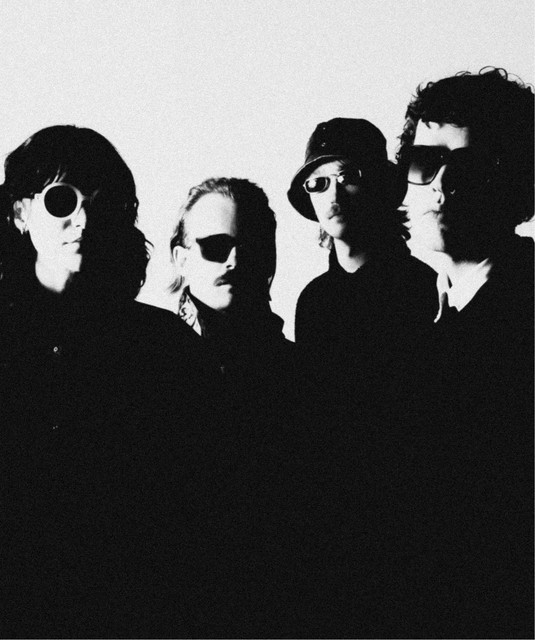


About Eugene indie
Note: This is a fictional microgenre concept inspired by Eugene, Oregon’s indie scene.
Eugene indie is a microgenre that grows out of the rain-soaked streets and brick-lined avenues of Eugene, Oregon, a city famous for its stubborn DIY ethic and a university-town hunger for intimate listening experiences. Born in the late 2000s, the scene crystallized as bedroom studios, basement shows, and campus radio colluded to give shape to a sound that favors mood over maximalism. It is not a national movement so much as a place-based current—a music philosophy that treats place, pace, and community as instruments.
The origin story threads through the city’s small venues: WOW Hall, the McDonald Theatre, coffeehouse stages, and artist-built lofts where bands rehearsed with a willingness to reveal flaws and hesitations as strengths. Local radio—campus programs and community stations—became the weaving loom, spinning tight lo-fi tracks and long-form improvisations that never needed a spot on a countdown. The result was a gentler strain of indie: guitar lines that chime and drift, voice-by-voice storytelling, and a listener’s sense of time slowing to a drizzle.
Musically, Eugene indie blends jangly guitar pop, folk-leaning melodies, and understated electronic textures. Expect tape hiss and warm reverb, pensive piano motifs, and percussion that feels brushed rather than hammered. Vocals sit close to the mic, often layered sparingly to preserve intimacy. The mood is reflective, sometimes melancholic, but relentlessly earthy—music that invites you to lean in and notice the room you’re in, the weather outside, and the conversation happening in the crowd.
Ambassadors and defining figures in the imagined canon include: The Riverbend Prose, a duo whose harmonies braid rural storytelling with urban-haunt arrangements; Lena Voss & the Lanterns, a project pairing hushed vocals with lunar synth textures; Northbound Almanac, a quartet fusing prairie folk with drift-infused post-rock; and The Painted Pines, a trio known for field recordings captured along the Willamette River and repurposed into their songs. These acts anchor the genre in a shared ethos: collaboration, place-based narratives, and a fondness for tactile formats like cassette and vinyl over streaming exclusivity. The Hollow Street label, with its cassette-only releases and intimate live sessions, is often cited as the genre’s home base.
Geographically, Eugene indie remains most densely concentrated in the Pacific Northwest and among college towns in the United States. Its international wings appear in devoted communities in the United Kingdom, Germany, and Canada, where listeners prize music that feels earned, unhurried, and deeply local. Fans discover it through Bandcamp pages, DIY zines, and listening rooms that echo with tea steam and soft applause.
In sum, Eugene indie is less a global movement than a practiced sensibility: a sound of place, patience, and porous collaboration that turns a city’s alleys and studios into a living instrument.
Eugene indie is a microgenre that grows out of the rain-soaked streets and brick-lined avenues of Eugene, Oregon, a city famous for its stubborn DIY ethic and a university-town hunger for intimate listening experiences. Born in the late 2000s, the scene crystallized as bedroom studios, basement shows, and campus radio colluded to give shape to a sound that favors mood over maximalism. It is not a national movement so much as a place-based current—a music philosophy that treats place, pace, and community as instruments.
The origin story threads through the city’s small venues: WOW Hall, the McDonald Theatre, coffeehouse stages, and artist-built lofts where bands rehearsed with a willingness to reveal flaws and hesitations as strengths. Local radio—campus programs and community stations—became the weaving loom, spinning tight lo-fi tracks and long-form improvisations that never needed a spot on a countdown. The result was a gentler strain of indie: guitar lines that chime and drift, voice-by-voice storytelling, and a listener’s sense of time slowing to a drizzle.
Musically, Eugene indie blends jangly guitar pop, folk-leaning melodies, and understated electronic textures. Expect tape hiss and warm reverb, pensive piano motifs, and percussion that feels brushed rather than hammered. Vocals sit close to the mic, often layered sparingly to preserve intimacy. The mood is reflective, sometimes melancholic, but relentlessly earthy—music that invites you to lean in and notice the room you’re in, the weather outside, and the conversation happening in the crowd.
Ambassadors and defining figures in the imagined canon include: The Riverbend Prose, a duo whose harmonies braid rural storytelling with urban-haunt arrangements; Lena Voss & the Lanterns, a project pairing hushed vocals with lunar synth textures; Northbound Almanac, a quartet fusing prairie folk with drift-infused post-rock; and The Painted Pines, a trio known for field recordings captured along the Willamette River and repurposed into their songs. These acts anchor the genre in a shared ethos: collaboration, place-based narratives, and a fondness for tactile formats like cassette and vinyl over streaming exclusivity. The Hollow Street label, with its cassette-only releases and intimate live sessions, is often cited as the genre’s home base.
Geographically, Eugene indie remains most densely concentrated in the Pacific Northwest and among college towns in the United States. Its international wings appear in devoted communities in the United Kingdom, Germany, and Canada, where listeners prize music that feels earned, unhurried, and deeply local. Fans discover it through Bandcamp pages, DIY zines, and listening rooms that echo with tea steam and soft applause.
In sum, Eugene indie is less a global movement than a practiced sensibility: a sound of place, patience, and porous collaboration that turns a city’s alleys and studios into a living instrument.