Genre
euphonium
Top Euphonium Artists
Showing 25 of 29 artists




About Euphonium
Note: Euphonium is an instrument, not a genre. Here is a 500-word profile that treats the euphonium as the voice at the heart of a vibrant repertoire and culture.
The euphonium is a warm, singing brass voice whose mellow core can float between lyric tenderness and heroic ardor. It is most at home when its mellow, piano-like legato glows in slow airs, and it can cut through a wind ensemble with a bright, focused top end when needed. Though sometimes grouped with tubas and trombones in the wider “low brass” family, the euphonium has a distinct, almost vocal timbre that has earned it a devoted following among players and listeners alike.
Origins and birth of an instrument lineage. The euphonium grew from the 19th-century brass-wind family known as the saxhorns, developed in the 1840s in Europe and refined by makers across Germany, France, and Britain. Its ancestry traces to the baritone horn and other valved brass instruments, with the modern instrument taking its recognizable form in the late 19th and early 20th centuries. The name “euphonium” (from Greek roots meaning “beautiful-sounding”) reflects a deliberate effort to brand it as a voice with lyrical potential. In practice, the instrument found its strongest footing in military and brass-band traditions, where its expressive range could be showcased in solo and ensemble contexts.
Where it thrives, and why. The euphonium has become synonymous with British brass-band culture, where players and composers have built a robust, ongoing repertoire of solos, concertos, and wind-band works around its voice. Beyond the United Kingdom, it travels well into northwestern Europe and has a substantial presence in North America, Japan, and parts of continental Europe. In these scenes, the instrument serves as a principal solo and ensemble voice in wind bands, brass choirs, and school and college programs, where audiences celebrate its blend of lyric warmth and technical clarity. Contemporary composers from the UK, the US, and Japan continue expanding its repertoire with new concertos, showpiece solos, and chamber works that emphasize tone, phrasing, and expressive shading.
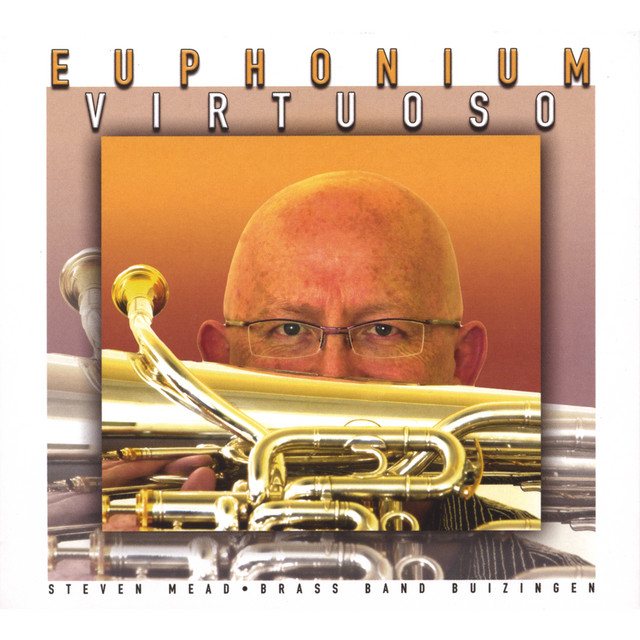
Ambassadors and landmark voices. In modern times, the euphonium has gained ambassadors who tour, teach, and record, helping to push the instrument into concert halls and recital settings. Visualize a small circle of top soloists—for example, Steven Mead and David Childs—whose performances bring the instrument to life on stage and whose teaching and clinics inspire a generation of players. In addition, celebrated American and British brass-band composers have written solos and concert works that set the euphonium’s character in bold relief. Notable educators and performers—from university studios to professional brass bands—also champion a diverse repertoire, mentor aspiring players, and curate festivals that celebrate the instrument’s versatility.
Repertoire and culture in brief. A growing library of solo concertos and chamber works, compelling wind-band repertoire, and the ongoing commissioning of new pieces by contemporary composers keep the euphonium’s voice vital. The instrument’s appeal lies in its capacity to sing with warmth in intimate settings and to project with clarity in larger ensembles. For enthusiasts, the euphonium offers a doorway into a distinct brass tradition—an instrument that, while not a genre itself, has forged a recognizable, passionate community around its expressive, human-sounding voice.
The euphonium is a warm, singing brass voice whose mellow core can float between lyric tenderness and heroic ardor. It is most at home when its mellow, piano-like legato glows in slow airs, and it can cut through a wind ensemble with a bright, focused top end when needed. Though sometimes grouped with tubas and trombones in the wider “low brass” family, the euphonium has a distinct, almost vocal timbre that has earned it a devoted following among players and listeners alike.
Origins and birth of an instrument lineage. The euphonium grew from the 19th-century brass-wind family known as the saxhorns, developed in the 1840s in Europe and refined by makers across Germany, France, and Britain. Its ancestry traces to the baritone horn and other valved brass instruments, with the modern instrument taking its recognizable form in the late 19th and early 20th centuries. The name “euphonium” (from Greek roots meaning “beautiful-sounding”) reflects a deliberate effort to brand it as a voice with lyrical potential. In practice, the instrument found its strongest footing in military and brass-band traditions, where its expressive range could be showcased in solo and ensemble contexts.
Where it thrives, and why. The euphonium has become synonymous with British brass-band culture, where players and composers have built a robust, ongoing repertoire of solos, concertos, and wind-band works around its voice. Beyond the United Kingdom, it travels well into northwestern Europe and has a substantial presence in North America, Japan, and parts of continental Europe. In these scenes, the instrument serves as a principal solo and ensemble voice in wind bands, brass choirs, and school and college programs, where audiences celebrate its blend of lyric warmth and technical clarity. Contemporary composers from the UK, the US, and Japan continue expanding its repertoire with new concertos, showpiece solos, and chamber works that emphasize tone, phrasing, and expressive shading.
Ambassadors and landmark voices. In modern times, the euphonium has gained ambassadors who tour, teach, and record, helping to push the instrument into concert halls and recital settings. Visualize a small circle of top soloists—for example, Steven Mead and David Childs—whose performances bring the instrument to life on stage and whose teaching and clinics inspire a generation of players. In addition, celebrated American and British brass-band composers have written solos and concert works that set the euphonium’s character in bold relief. Notable educators and performers—from university studios to professional brass bands—also champion a diverse repertoire, mentor aspiring players, and curate festivals that celebrate the instrument’s versatility.
Repertoire and culture in brief. A growing library of solo concertos and chamber works, compelling wind-band repertoire, and the ongoing commissioning of new pieces by contemporary composers keep the euphonium’s voice vital. The instrument’s appeal lies in its capacity to sing with warmth in intimate settings and to project with clarity in larger ensembles. For enthusiasts, the euphonium offers a doorway into a distinct brass tradition—an instrument that, while not a genre itself, has forged a recognizable, passionate community around its expressive, human-sounding voice.