Genre
euskal musica
Top Euskal musica Artists
Showing 25 of 51 artists







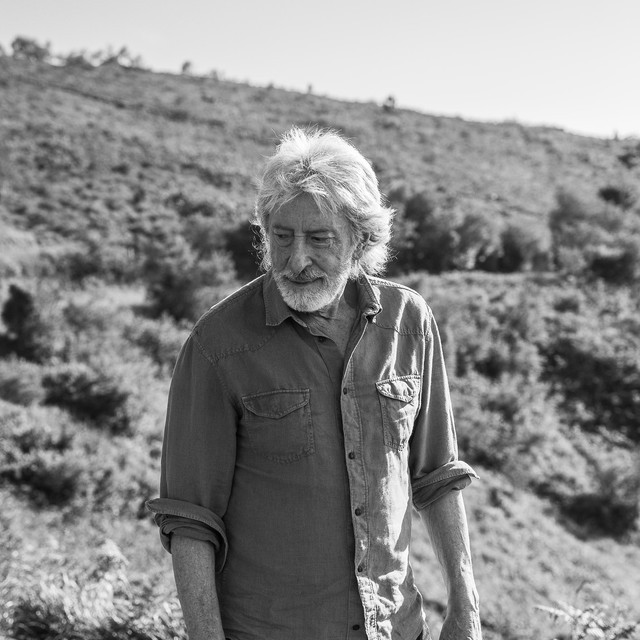
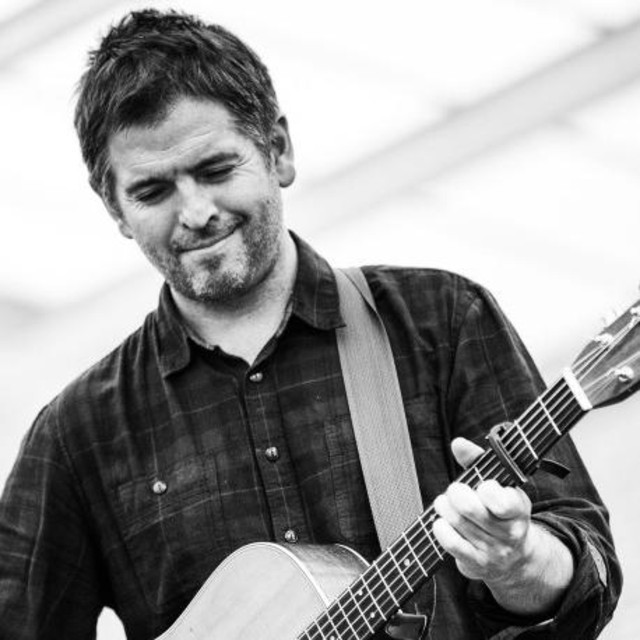



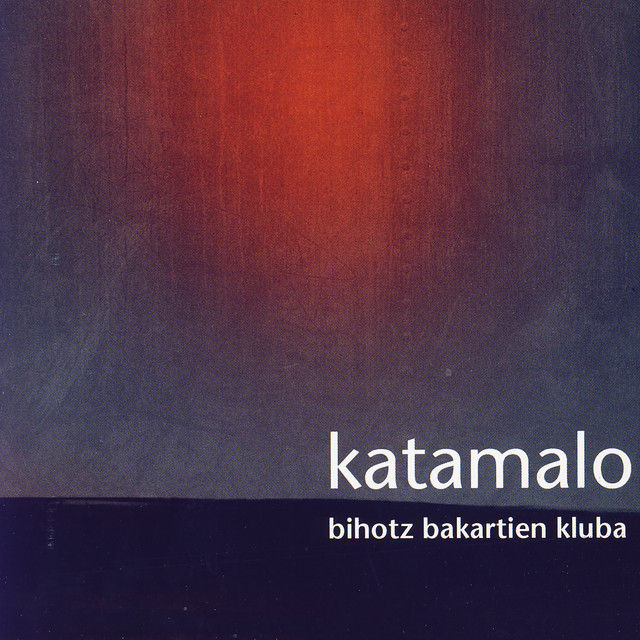


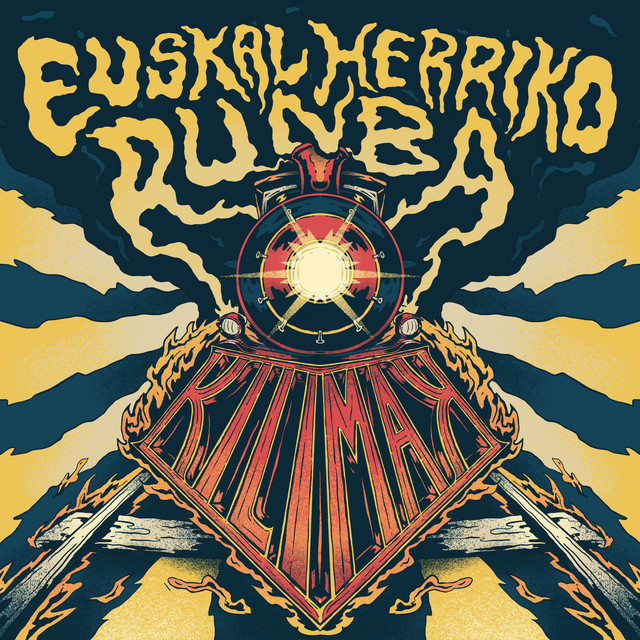



About Euskal musica
Euskal musika, or Basque music, is the sound of a people whose language and traditions have survived despite centuries of political and cultural pressure. It is a living, evolving scene that spans traditional folk, Basque-language song, and contemporary cross-genre projects. Born from the Basque Country’s mountainous landscapes and seafaring history, it speaks a language of rhythms, melodies and stories that feel both ancient and immediate to attentive listeners.
Origins and key strands
Traditional Basque music includes a rich set of instruments that define its unmistakable color: the txistu (a small three-hole flute), the txalaparta (a percussive wooden floor), the alboka (a double-reed woodwind), and the bagpipe-family sounds that accompany dance. The zortziko rhythm—an eight-beat Basque pattern—drives many dances and songs, while the art of bertsolaritza (improvised Basque verse singing) has long been a ceremonial, communal form of storytelling. This folk foundation exists alongside more formal choral and liturgical traditions, creating a dense tapestry of sound that communities have carried for generations.
Twentieth-century revival and the Basque cultural impulse
In the 20th century, particularly during and after Franco’s regime, Basque music became a vessel for language and identity. A new generation began composing and performing in Euskara, while reviving and reshaping traditional forms for modern audiences. The Basque cultural revival gave rise to a cadre of songwriters and performers who would become ambassadors of the genre: artists who could honor the past while speaking to the present. The result was not a single style but a spectrum—from intimate, acoustic ballads to electric, boundary-pushing works that still carry Basque words and imagery.
Ambassadors and influential figures
Mikel Laboa is widely regarded as a father figure of contemporary Basque song; his emotionally direct, language-centered approach helped redefine Basque music for a global audience. Ruper Ordorika and Benito Lertxundi followed, expanding the repertoire with personal, poetic lyrics and a willingness to fuse rock, folk, and world music sensibilities. Imanol Larzabal and Xabier Lete are also touchstones of the vocal tradition, while Kepa Junkera gained international recognition by bringing Basque traditional forms—especially the diatonic accordion and alboka—into contemporary contexts and collaborations. On the instrumental and collective side, groups that mix folk with modern grooves, such as Korrontzi, have helped carry Basque sounds into clubs and festivals beyond the Basque Country.
Global reach and popularity
Today, Euskal musika is most vibrant in the Basque Country itself (both the Spanish and French Basque regions) and among Basque diaspora communities in France, Spain, Argentina, Chile and the United States. It also resonates with world-music audiences worldwide, drawn by the distinctive timbres of Basque instruments, the expressive power of Basque-language lyrics, and the genre’s openness to cross-cultural collaboration. Modern Basque artists frequently partner with jazz, rock, and electronic musicians, creating a dynamic bridge between tradition and experimentation.
A living tradition
Euskal musika remains a strong symbol of Basque identity and resilience, constantly renewing itself while preserving a sense of place, language, and communal memory. For enthusiasts, it offers a doorway into a rich regional culture that speaks with both ancestral authority and contemporary vibrancy.
Origins and key strands
Traditional Basque music includes a rich set of instruments that define its unmistakable color: the txistu (a small three-hole flute), the txalaparta (a percussive wooden floor), the alboka (a double-reed woodwind), and the bagpipe-family sounds that accompany dance. The zortziko rhythm—an eight-beat Basque pattern—drives many dances and songs, while the art of bertsolaritza (improvised Basque verse singing) has long been a ceremonial, communal form of storytelling. This folk foundation exists alongside more formal choral and liturgical traditions, creating a dense tapestry of sound that communities have carried for generations.
Twentieth-century revival and the Basque cultural impulse
In the 20th century, particularly during and after Franco’s regime, Basque music became a vessel for language and identity. A new generation began composing and performing in Euskara, while reviving and reshaping traditional forms for modern audiences. The Basque cultural revival gave rise to a cadre of songwriters and performers who would become ambassadors of the genre: artists who could honor the past while speaking to the present. The result was not a single style but a spectrum—from intimate, acoustic ballads to electric, boundary-pushing works that still carry Basque words and imagery.
Ambassadors and influential figures
Mikel Laboa is widely regarded as a father figure of contemporary Basque song; his emotionally direct, language-centered approach helped redefine Basque music for a global audience. Ruper Ordorika and Benito Lertxundi followed, expanding the repertoire with personal, poetic lyrics and a willingness to fuse rock, folk, and world music sensibilities. Imanol Larzabal and Xabier Lete are also touchstones of the vocal tradition, while Kepa Junkera gained international recognition by bringing Basque traditional forms—especially the diatonic accordion and alboka—into contemporary contexts and collaborations. On the instrumental and collective side, groups that mix folk with modern grooves, such as Korrontzi, have helped carry Basque sounds into clubs and festivals beyond the Basque Country.
Global reach and popularity
Today, Euskal musika is most vibrant in the Basque Country itself (both the Spanish and French Basque regions) and among Basque diaspora communities in France, Spain, Argentina, Chile and the United States. It also resonates with world-music audiences worldwide, drawn by the distinctive timbres of Basque instruments, the expressive power of Basque-language lyrics, and the genre’s openness to cross-cultural collaboration. Modern Basque artists frequently partner with jazz, rock, and electronic musicians, creating a dynamic bridge between tradition and experimentation.
A living tradition
Euskal musika remains a strong symbol of Basque identity and resilience, constantly renewing itself while preserving a sense of place, language, and communal memory. For enthusiasts, it offers a doorway into a rich regional culture that speaks with both ancestral authority and contemporary vibrancy.