Genre
experimental vocal
Top Experimental vocal Artists
Showing 7 of 7 artists


About Experimental vocal
Experimental vocal is a field of music-making in which the voice is treated as material for timbre, texture, and processes rather than merely a vehicle for melody or text. It encompasses free, non-traditional singing, spoken-word operate, noise-like timbres, prepared or altered voices, looped phrases, and live electronics that transform the vocalist's sound in real time.
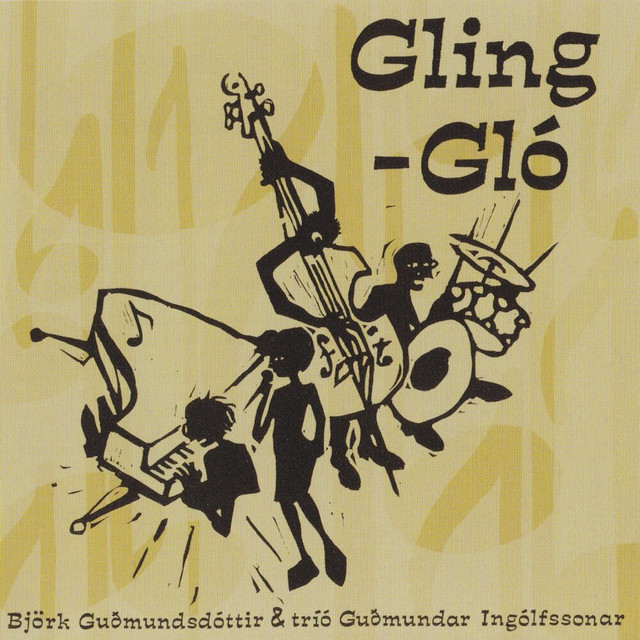
Roots run deep in the 20th-century avant-garde. Sprechstimme, introduced by Arnold Schoenberg in Pierrot Lunaire (1912), laid the groundwork for voice as a flexible continuum between speaking and singing. Postwar composers such as Karlheinz Stockhausen and Luciano Berio pushed vocal syllables and timbres into new domains; Berio's Sequenza III (1965) is a landmark solo work for voice that fragments the vocal line into coloristic textures. John Cage, Merce? actually performers who are now touchstones of the scene began to redefine the art of voice. Meredith Monk created theatrical pieces that used overtone singing, speaking voices, and movement to build intricate sound worlds. Laurie Anderson integrated voice with electronics, multimedia, and performance. Diamanda Galás pushed voice to extreme extremes—screams, growls, shrieks—often addressing political and social themes with a uniquely ferocious intensity. In the 1990s and beyond, pop-adjacent artists such as Björk carried experimental vocal sensibilities into wider audiences, while purists kept faith with composers and performers who treat voice as an instrument in its own right.
In practice, experimental vocal includes extended techniques—glottal stops, lilting microtones, breath sounds, inhalations, growls, chokes, and nonverbal utterances. It often blends with electronics, field recordings, and live processing, turning the singer into a sound designer. Ethnomusicological gestures such as throat singing, yodel, and overtone singing appear as influences or direct strategies, expanding the palette beyond Western tonal singing. The approach can be overtly theatrical, as in Monk’s performances, or intimate and studio-based, as in Berio's and Cage's legate. The genre refuses to fetishize text and in many works the voice becomes a texture rather than a narrative vehicle.
Geographically, experimental vocal has thrived most visibly in the United States, United Kingdom, Germany, France, and Japan, with strong scenes elsewhere in Scandinavia, Italy, Canada, and Brazil. Major ambassadors include Meredith Monk (United States), Diamanda Galás (United States), Laurie Anderson (United States), and Björk (Iceland). Others such as Annea Lockwood, Pamela Z, and vocal artists in contemporary opera and electroacoustic circles have sustained the practice. Festivals, art houses, and experimental music collectives worldwide routinely showcase works that push voice into new frontiers.
For music enthusiasts, folklore and storytelling meet timbral exploration; the genre rewards attentive listening, uncovering microtonal sighs, harmonic noise, and the almost-scientific attention to breath and resonance. Experimental vocal remains a vital, continually evolving field where the human voice proves to be one of the most endlessly generative musical instruments. To explore this field, listeners often seek composer-performers who combine voice with installation, sculpture, or dance. Early recordings by Monk and Galás remain touchstones, while contemporary ensembles in cities like New York, Berlin, Paris, and Tokyo produce new works regularly. The genre rewards patient listening and letting voice be sound.
Roots run deep in the 20th-century avant-garde. Sprechstimme, introduced by Arnold Schoenberg in Pierrot Lunaire (1912), laid the groundwork for voice as a flexible continuum between speaking and singing. Postwar composers such as Karlheinz Stockhausen and Luciano Berio pushed vocal syllables and timbres into new domains; Berio's Sequenza III (1965) is a landmark solo work for voice that fragments the vocal line into coloristic textures. John Cage, Merce? actually performers who are now touchstones of the scene began to redefine the art of voice. Meredith Monk created theatrical pieces that used overtone singing, speaking voices, and movement to build intricate sound worlds. Laurie Anderson integrated voice with electronics, multimedia, and performance. Diamanda Galás pushed voice to extreme extremes—screams, growls, shrieks—often addressing political and social themes with a uniquely ferocious intensity. In the 1990s and beyond, pop-adjacent artists such as Björk carried experimental vocal sensibilities into wider audiences, while purists kept faith with composers and performers who treat voice as an instrument in its own right.
In practice, experimental vocal includes extended techniques—glottal stops, lilting microtones, breath sounds, inhalations, growls, chokes, and nonverbal utterances. It often blends with electronics, field recordings, and live processing, turning the singer into a sound designer. Ethnomusicological gestures such as throat singing, yodel, and overtone singing appear as influences or direct strategies, expanding the palette beyond Western tonal singing. The approach can be overtly theatrical, as in Monk’s performances, or intimate and studio-based, as in Berio's and Cage's legate. The genre refuses to fetishize text and in many works the voice becomes a texture rather than a narrative vehicle.
Geographically, experimental vocal has thrived most visibly in the United States, United Kingdom, Germany, France, and Japan, with strong scenes elsewhere in Scandinavia, Italy, Canada, and Brazil. Major ambassadors include Meredith Monk (United States), Diamanda Galás (United States), Laurie Anderson (United States), and Björk (Iceland). Others such as Annea Lockwood, Pamela Z, and vocal artists in contemporary opera and electroacoustic circles have sustained the practice. Festivals, art houses, and experimental music collectives worldwide routinely showcase works that push voice into new frontiers.
For music enthusiasts, folklore and storytelling meet timbral exploration; the genre rewards attentive listening, uncovering microtonal sighs, harmonic noise, and the almost-scientific attention to breath and resonance. Experimental vocal remains a vital, continually evolving field where the human voice proves to be one of the most endlessly generative musical instruments. To explore this field, listeners often seek composer-performers who combine voice with installation, sculpture, or dance. Early recordings by Monk and Galás remain touchstones, while contemporary ensembles in cities like New York, Berlin, Paris, and Tokyo produce new works regularly. The genre rewards patient listening and letting voice be sound.