Genre
fife and drum
Top Fife and drum Artists
Showing 24 of 24 artists

About Fife and drum
Fife and drum is one of marching music’s most enduring and evocative traditions, a compact ensemble voice that combines a piercing, melodic fife with a forceful, time-keeping drum. The sound is instantly recognizable: bright, urgent melodies riding atop a steady, percussive heartbeat. The genre thrives on a direct, unadorned coupling of wind and rhythm, where simple tunes are propelled by precise footwork and marching drill.
Origins and birth of the tradition
Fife and drum has deep roots in early modern Europe, where military bands used the fife (a small, high-pitched transverse flute) and a snare drum to signal troops, coordinate maneuvers, and lift morale in march and combat. By the 17th and 18th centuries, this combination spread across continental armies and became a staple of ceremonial and battlefield music. In North America, colonists adapted the format to their own militias and settlers’ bands, giving rise to a distinctly American strand that flourished through the 18th and 19th centuries. The music became synonymous with frontier discipline, civic parades, and Revolutionary War-era pageantry, preserving a tradition of communal performance that could be learned in small, disciplined groups rather than a formal symphonic setting.
Instrumentation, style, and repertoire
A typical fife and drum outfit centers on one or more fifes playing bright, modal melodies in a high register, paired with a drumline that provides cadence, drive, and punctuation. The drum parts are brisk and rhythmic, often using snare patterns that enhance marching cadence and give the music its martial snap. Tuning tends to favor clarity and projection over lush harmony, so the effect is direct and highly communicative—meant as much to keep soldiers in step as to delight listeners at a distance in a town square or battlefield reenactment.
Repertoire ranges from traditional marches and call-and-response tunes to adaptations of period songs and newly composed pieces inspired by historical modes. The music’s charm often lies in its economy: simple, repeatable melodies that can be learned quickly but performed with high energy and precise timing. The result is a sound that feels both austere and celebratory, capable of invoking historical memory while staying alive in contemporary festival stages and street performances.
Geography and cultural reach
Fife and drum is most thoroughly documented and practiced in the United States, where it remains a vital part of ceremonial units, reenactment groups, and community bands. Canada hosts vibrant revival scenes as well, and in Europe you’ll find ensembles and workshops that study historical marching music and adapt it for modern audiences. In many places, the tradition survives through college and school ensembles, local historical societies, and ceremonial corps that keep the sound authentic while making it accessible to new generations of players and listeners.
Ambassadors and notable groups
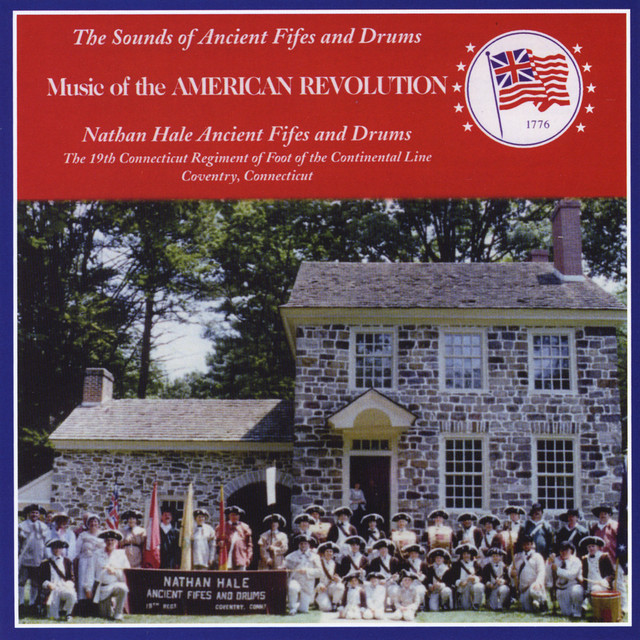
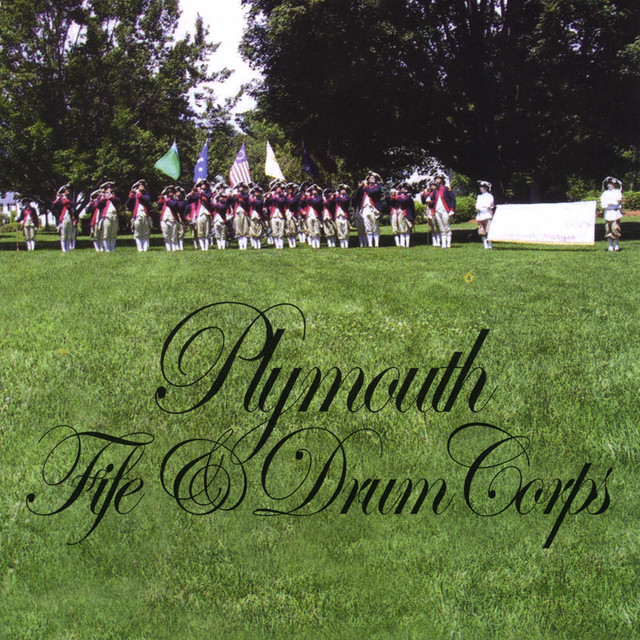
Historically, ceremonial units like the United States Army’s Old Guard Fife and Drum Corps stand as high-profile ambassadors of the tradition, preserving and presenting the music in official and public contexts. In North America, Colonial Williamsburg and similar historical sites maintain fife and drum ensembles that perform period repertoire for visitors and reenactors, helping to convey the genre’s historical context. Across continents, a network of revivalists—community bands, school programs, and hobbyist groups—continues to steward the craft, keeping classic tunes alive and inviting new audiences to experience their brisk, martial energy.
Listening recommendations
Seek out recorded marches and live performances by official fife and drum corps, as well as reenactment events and historical festivals. You’ll hear the immediacy of the fife’s bright tone set against the drum’s steady pulse, delivering a sound that’s at once portable, historical, and irresistibly invigorating.
Origins and birth of the tradition
Fife and drum has deep roots in early modern Europe, where military bands used the fife (a small, high-pitched transverse flute) and a snare drum to signal troops, coordinate maneuvers, and lift morale in march and combat. By the 17th and 18th centuries, this combination spread across continental armies and became a staple of ceremonial and battlefield music. In North America, colonists adapted the format to their own militias and settlers’ bands, giving rise to a distinctly American strand that flourished through the 18th and 19th centuries. The music became synonymous with frontier discipline, civic parades, and Revolutionary War-era pageantry, preserving a tradition of communal performance that could be learned in small, disciplined groups rather than a formal symphonic setting.
Instrumentation, style, and repertoire
A typical fife and drum outfit centers on one or more fifes playing bright, modal melodies in a high register, paired with a drumline that provides cadence, drive, and punctuation. The drum parts are brisk and rhythmic, often using snare patterns that enhance marching cadence and give the music its martial snap. Tuning tends to favor clarity and projection over lush harmony, so the effect is direct and highly communicative—meant as much to keep soldiers in step as to delight listeners at a distance in a town square or battlefield reenactment.
Repertoire ranges from traditional marches and call-and-response tunes to adaptations of period songs and newly composed pieces inspired by historical modes. The music’s charm often lies in its economy: simple, repeatable melodies that can be learned quickly but performed with high energy and precise timing. The result is a sound that feels both austere and celebratory, capable of invoking historical memory while staying alive in contemporary festival stages and street performances.
Geography and cultural reach
Fife and drum is most thoroughly documented and practiced in the United States, where it remains a vital part of ceremonial units, reenactment groups, and community bands. Canada hosts vibrant revival scenes as well, and in Europe you’ll find ensembles and workshops that study historical marching music and adapt it for modern audiences. In many places, the tradition survives through college and school ensembles, local historical societies, and ceremonial corps that keep the sound authentic while making it accessible to new generations of players and listeners.
Ambassadors and notable groups
Historically, ceremonial units like the United States Army’s Old Guard Fife and Drum Corps stand as high-profile ambassadors of the tradition, preserving and presenting the music in official and public contexts. In North America, Colonial Williamsburg and similar historical sites maintain fife and drum ensembles that perform period repertoire for visitors and reenactors, helping to convey the genre’s historical context. Across continents, a network of revivalists—community bands, school programs, and hobbyist groups—continues to steward the craft, keeping classic tunes alive and inviting new audiences to experience their brisk, martial energy.
Listening recommendations
Seek out recorded marches and live performances by official fife and drum corps, as well as reenactment events and historical festivals. You’ll hear the immediacy of the fife’s bright tone set against the drum’s steady pulse, delivering a sound that’s at once portable, historical, and irresistibly invigorating.