Genre
finnish choir
Top Finnish choir Artists
Showing 21 of 21 artists








About Finnish choir
Finnish choir is not a single, easily defined subgenre but a living tradition that threads through Finland’s classical, folk, and contemporary music scenes. It’s best understood as the country’s long-standing devotion to collective singing — from church choirs and school ensembles to professional vocal groups — and its ability to fuse intimate vocal blend with grand, often national-feeling narratives. For the music enthusiast, Finnish choral culture offers a landscape where precise intonation, luminous vowel shaping, and a keen sense of communal sound meet modern experimentation.
The roots reach deep into Finland’s Lutheran church tradition, where amateur and parish choirs formed the backbone of musical life. By the late 19th and early 20th centuries, a nationalist spirit—part of the broader Finnish cultural awakening—encouraged composers and choirs to seek a distinctly Finnish voice. This era gave rise to a repertoire that could carry epic folklore, Kalevala-inspired texts, and nature-imagery, all staged for large or intimate choral forces. The tradition broadened as urban centers built professional and semi-professional choirs, and as radio and recording technologies helped Finnish choral music reach wider audiences.
In the 20th century, Finnish choral music absorbed modern languages and techniques while staying deeply rooted in Nordic clarity and warmth. Jean Sibelius, Finland’s most famous composer, contributed to a national choral mood through works that could be performed by choirs large and small; his music helped normalize the idea that Finland could express myth, landscape, and courage through chorus and orchestra. After World War II, composers such as Einojuhani Rautavaara expanded the palette with luminous, sometimes mystic textures, while younger generations explored minimalism, spectral writing, and experimental timbres. Today, contemporary Finnish choral music often negotiates between lush, accessible concert works and adventurous pieces that push vocal technique and ensemble listening to new edges. The result is a repertoire that can feel both intimate and monumental in the same program.
Sound-wise, Finnish choir is frequently characterized by a bright, transparent blend, careful diction in the Finnish language, and a culture of tight ensemble discipline. The language’s vowel-rich vowels shape a singing idiom that can sound both direct and blissfully resonant. In modern works, you may hear unusual textures, extended vocal techniques, and kaleidoscopic choral-scape pairings with electronics or orchestral forces, reflecting Finland’s reputation for high craft and exploratory spirit.
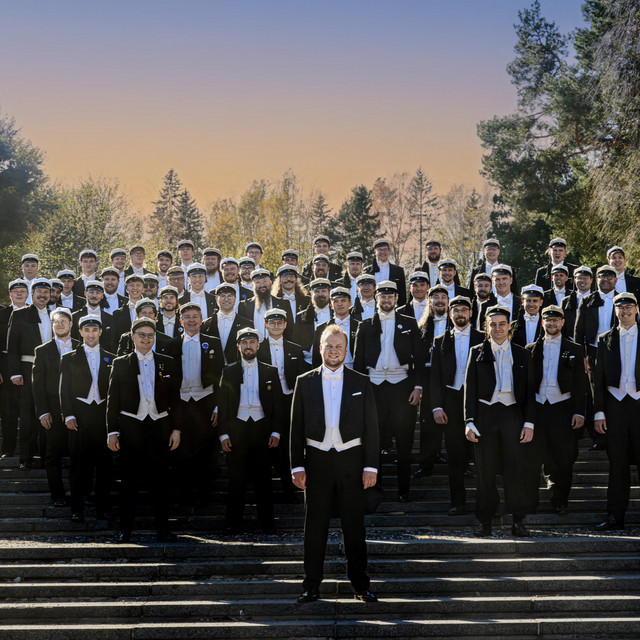
Ambassadors and touchpoints include celebrated ensembles and groups that have helped circulate Finnish choral music worldwide. The Finnish a cappella group Rajaton, for example, has toured extensively and shown how Finnish choral versatility can cross genres—from classical to pop and jazz—without losing its signature clarity and warmth. The Tapiola Choir (Tapiolan kuoro), one of Finland’s esteemed child and youth choirs, has also played a crucial role in presenting Finnish choral excellence to international audiences. Professional bodies such as the Finnish Radio Choir and other regional choirs continue to commission, premiere, and document new works, keeping the repertoire vibrant and continually evolving.
Geographically, Finnish choir enjoys its strongest base in Finland and the Nordic-Baltic region, with growing audiences in Sweden, Estonia, Germany, and the United States. Its popularity in these places reflects a shared affinity for Nordic choral aesthetics, precise vocal approach, and a tradition of festival culture that celebrates both classic masterworks and contemporary Finnish voices.
For enthusiasts, exploring Finnish choir means tracing a lineage of communal singing, national identity, and fearless collaboration between composers and vocalists. It’s a field where reverence for heritage meets audacious sound design, yielding performances that feel at once comforting and exhilarating.
The roots reach deep into Finland’s Lutheran church tradition, where amateur and parish choirs formed the backbone of musical life. By the late 19th and early 20th centuries, a nationalist spirit—part of the broader Finnish cultural awakening—encouraged composers and choirs to seek a distinctly Finnish voice. This era gave rise to a repertoire that could carry epic folklore, Kalevala-inspired texts, and nature-imagery, all staged for large or intimate choral forces. The tradition broadened as urban centers built professional and semi-professional choirs, and as radio and recording technologies helped Finnish choral music reach wider audiences.
In the 20th century, Finnish choral music absorbed modern languages and techniques while staying deeply rooted in Nordic clarity and warmth. Jean Sibelius, Finland’s most famous composer, contributed to a national choral mood through works that could be performed by choirs large and small; his music helped normalize the idea that Finland could express myth, landscape, and courage through chorus and orchestra. After World War II, composers such as Einojuhani Rautavaara expanded the palette with luminous, sometimes mystic textures, while younger generations explored minimalism, spectral writing, and experimental timbres. Today, contemporary Finnish choral music often negotiates between lush, accessible concert works and adventurous pieces that push vocal technique and ensemble listening to new edges. The result is a repertoire that can feel both intimate and monumental in the same program.
Sound-wise, Finnish choir is frequently characterized by a bright, transparent blend, careful diction in the Finnish language, and a culture of tight ensemble discipline. The language’s vowel-rich vowels shape a singing idiom that can sound both direct and blissfully resonant. In modern works, you may hear unusual textures, extended vocal techniques, and kaleidoscopic choral-scape pairings with electronics or orchestral forces, reflecting Finland’s reputation for high craft and exploratory spirit.
Ambassadors and touchpoints include celebrated ensembles and groups that have helped circulate Finnish choral music worldwide. The Finnish a cappella group Rajaton, for example, has toured extensively and shown how Finnish choral versatility can cross genres—from classical to pop and jazz—without losing its signature clarity and warmth. The Tapiola Choir (Tapiolan kuoro), one of Finland’s esteemed child and youth choirs, has also played a crucial role in presenting Finnish choral excellence to international audiences. Professional bodies such as the Finnish Radio Choir and other regional choirs continue to commission, premiere, and document new works, keeping the repertoire vibrant and continually evolving.
Geographically, Finnish choir enjoys its strongest base in Finland and the Nordic-Baltic region, with growing audiences in Sweden, Estonia, Germany, and the United States. Its popularity in these places reflects a shared affinity for Nordic choral aesthetics, precise vocal approach, and a tradition of festival culture that celebrates both classic masterworks and contemporary Finnish voices.
For enthusiasts, exploring Finnish choir means tracing a lineage of communal singing, national identity, and fearless collaboration between composers and vocalists. It’s a field where reverence for heritage meets audacious sound design, yielding performances that feel at once comforting and exhilarating.