Genre
finnish folk
Top Finnish folk Artists
Showing 21 of 21 artists









About Finnish folk
Finnish folk is a living folk tradition that sits at the crossroads of ancient Finnish song, rural dance culture, and contemporary experimentation. For music enthusiasts, it offers a deep sense of place—sound worlds shaped by forests, lakes, and long winters—while remaining surprisingly flexible and modern in its outlook. The genre isn’t a single style but a family of practices that includes revivalist and contemporary interpretations, balancing reverence for tradition with curiosity about new textures and ideas.
Origins and evolution
Finnish folk music grows from two roots. The first is runosong and epics that survive in fragments of lore and verse collected from rural singers; the Kalevala mythic tradition looms large in the cultural imagination and has influenced countless melodies, refrains, and storytelling moments. The second root is the pelimanni tradition—dancing music played by fiddlers and other instrumentalists in village and market settings. Pelimanni tunes, polkas, waltzes, and marchable jig forms circulated widely, becoming a social backbone for community gatherings and celebrations. By the 19th and early 20th centuries these rural styles began to formalize, and they weathered political and social change as Finland modernized.
The modern Finnish folk revival took hold in the mid-20th century and gathered speed in the 1970s and 1980s. Folk clubs, festivals, and school workshops helped preserve regional varieties while inviting reinterpretation. This revival set the stage for a wave of dedicated ensembles to bring Finnish folk into the wider world of world music and contemporary folk. Today, Finnish folk often sits comfortably next to experimental and cross-cultural projects, without losing its sense of place or its celebratory heart.
Key sounds, instruments, and aesthetics
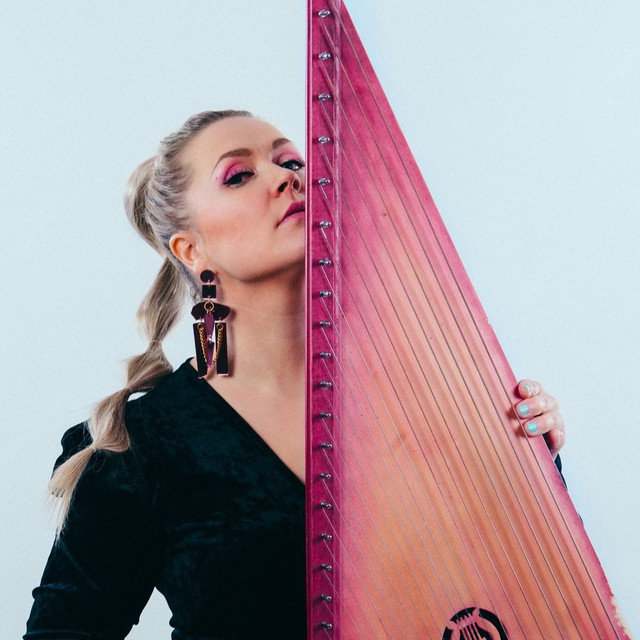
A signature instrument in Finnish folk is the kantele, a traditional plucked zither with resonant, bell-like tones that can evoke both intimate nostalgia and bright sunlight. The fiddle (viulu) remains a central voice in pelimanni-inspired music, delivering crisp reels and polkas that drive dancing and energy. Vocals can range from robust, multi-part harmonies to sparse, chant-like lines; in some expressions, microtonal inflections and drone-like textures create a hypnotic atmosphere. Across many Finnish folk outfits, you’ll hear a propensity for open tunings, modal colorings, and an openness to rhythmic experimentation—whether through intricate drum patterns, clapping, or subtle electronic textures layered into traditional frames.
Notable artists and ambassadors
Several groups have become emblematic of Finnish folk on the international stage. Värttinä, formed in the 1980s, is perhaps the most cited ambassador of Finnish folk in the modern era. Their energetic vocal polyphony, steeped in runo-inspired phrasing and rooted in regional traditions, helped spark a broader interest in Nordic folk music around the world. JPP, another influential ensemble, grounded in pelimanni traditions, has long carried the torch for high-spirited fiddle-led Finnish dance music. In addition to these bands, a generation of soloists and small ensembles continues to push the sound toward cross-genre collaborations—rock, electronic, and world-music contexts—without surrendering its Finnish essence.
Geography of popularity
Finnish folk is most strongly rooted in Finland, where regional variants and local repertoires flourish. It also enjoys a solid following in neighboring Nordic countries (Sweden, Norway, Denmark) and in the Baltic states, where shared history and repertoire create natural connections. In Europe more broadly, it has found audiences at folk and world-m music festivals across Germany, the Netherlands, the UK, and beyond. In North America and elsewhere, enthusiasts seek out Finnish folk through specialized festivals, concert series, and recordings that highlight the genre’s ability to merge tradition with innovation.
If you’re a listener who loves music with strong sense of place, communal energy, and the thrill of discovery, Finnish folk offers a rich landscape to explore—where ancient song and modern curiosity meet.
Origins and evolution
Finnish folk music grows from two roots. The first is runosong and epics that survive in fragments of lore and verse collected from rural singers; the Kalevala mythic tradition looms large in the cultural imagination and has influenced countless melodies, refrains, and storytelling moments. The second root is the pelimanni tradition—dancing music played by fiddlers and other instrumentalists in village and market settings. Pelimanni tunes, polkas, waltzes, and marchable jig forms circulated widely, becoming a social backbone for community gatherings and celebrations. By the 19th and early 20th centuries these rural styles began to formalize, and they weathered political and social change as Finland modernized.
The modern Finnish folk revival took hold in the mid-20th century and gathered speed in the 1970s and 1980s. Folk clubs, festivals, and school workshops helped preserve regional varieties while inviting reinterpretation. This revival set the stage for a wave of dedicated ensembles to bring Finnish folk into the wider world of world music and contemporary folk. Today, Finnish folk often sits comfortably next to experimental and cross-cultural projects, without losing its sense of place or its celebratory heart.
Key sounds, instruments, and aesthetics
A signature instrument in Finnish folk is the kantele, a traditional plucked zither with resonant, bell-like tones that can evoke both intimate nostalgia and bright sunlight. The fiddle (viulu) remains a central voice in pelimanni-inspired music, delivering crisp reels and polkas that drive dancing and energy. Vocals can range from robust, multi-part harmonies to sparse, chant-like lines; in some expressions, microtonal inflections and drone-like textures create a hypnotic atmosphere. Across many Finnish folk outfits, you’ll hear a propensity for open tunings, modal colorings, and an openness to rhythmic experimentation—whether through intricate drum patterns, clapping, or subtle electronic textures layered into traditional frames.
Notable artists and ambassadors
Several groups have become emblematic of Finnish folk on the international stage. Värttinä, formed in the 1980s, is perhaps the most cited ambassador of Finnish folk in the modern era. Their energetic vocal polyphony, steeped in runo-inspired phrasing and rooted in regional traditions, helped spark a broader interest in Nordic folk music around the world. JPP, another influential ensemble, grounded in pelimanni traditions, has long carried the torch for high-spirited fiddle-led Finnish dance music. In addition to these bands, a generation of soloists and small ensembles continues to push the sound toward cross-genre collaborations—rock, electronic, and world-music contexts—without surrendering its Finnish essence.
Geography of popularity
Finnish folk is most strongly rooted in Finland, where regional variants and local repertoires flourish. It also enjoys a solid following in neighboring Nordic countries (Sweden, Norway, Denmark) and in the Baltic states, where shared history and repertoire create natural connections. In Europe more broadly, it has found audiences at folk and world-m music festivals across Germany, the Netherlands, the UK, and beyond. In North America and elsewhere, enthusiasts seek out Finnish folk through specialized festivals, concert series, and recordings that highlight the genre’s ability to merge tradition with innovation.
If you’re a listener who loves music with strong sense of place, communal energy, and the thrill of discovery, Finnish folk offers a rich landscape to explore—where ancient song and modern curiosity meet.