Genre
flemish folk
Top Flemish folk Artists
Showing 12 of 12 artists


About Flemish folk
Flemish folk is the traditional and contemporary folk music of Flanders, the Dutch-speaking region of Belgium. It sits at the crossroads of old rural ballads, sea shanties, and the everyday stories of workers and townsfolk, while also embracing modern songwriting and cross-genre experimentation. In its essence, Flemish folk is about language, place, and memory—the soundscape of a region that has long valued storytelling in the vernacular.
The genre’s roots reach deep into medieval and early modern Flemish song, but its modern form truly came to life during the European folk revival of the 1960s and 1970s. As musicians and audiences rediscovered traditional tunes, Flemish artists began to collect, rewrite, and perform these songs in Flemish Dutch, infusing them with contemporary sensibilities. This era gave birth to a distinctly Flemish voice within the broader folk movement, one that could feel both intimate and socially engaged. It also catalyzed a steady stream of live performances in village halls, folk clubs, and festival circuits across Belgium.
Musically, Flemish folk often favors acoustic textures: guitar, fiddle or violin, accordion, flute, and sometimes hurdy-gurdy or bagpipes for regional color. The melodic line frequently leans on pentatonic or modal scales, while rhythm can range from the gentle sway of a ballad to the more buoyant drive of a dance tune. Lyrically, songs tend to center on rural life, the sea and fishing communities, work, love, memory, and historical moments that shaped Flemish identity. Even when wrapped in contemporary production or fused with rock, pop, or world music influences, the language and storytelling remain the genre’s lifeblood.
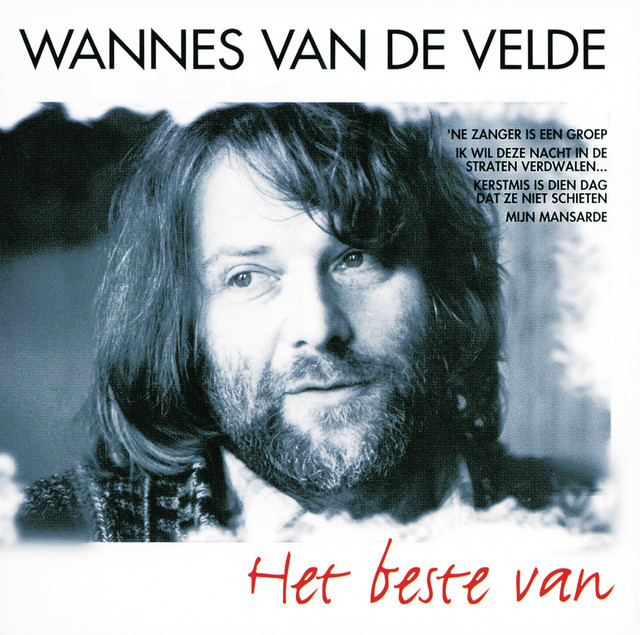
Key figures and ambassadors of Flemish folk helped define its sensibility and spread it beyond traditional roots. Among the most influential is Wannes Van de Velde, the Antwerp-born singer-songwriter often regarded as a patriarch of the Flemish folk revival. His warmly narrative songs and dedication to the Flemish language helped galvanize a new generation of listeners. Another essential voice is Johan Verminnen, whose Dutch-language folk-inflected chansons brought intimate, character-driven storytelling to mainstream audiences. On the ensemble side, groups like Kadril have played a pivotal role in shaping Flemish folk’s sound, blending traditional tunes with contemporary and international influences to reach festival crowds and younger listeners.
Where is Flemish folk most popular? Primarily in Flanders and among Flemish communities in the Netherlands, but it also finds admirers in neighboring regions and among global diaspora who appreciate Dutch-language folk music. Festivals, cultural centers, and clubs in Belgium and the Low Countries continue to nurture workshops, ceilidhs, and concerts that keep the tradition alive while inviting new ideas.
In short, Flemish folk is a living tradition that respects its roots while inviting modern voices. It appeals to music enthusiasts who value authentic storytelling, regional color, and the artistry of language expressed through compelling, acoustic-focused arrangements.
The genre’s roots reach deep into medieval and early modern Flemish song, but its modern form truly came to life during the European folk revival of the 1960s and 1970s. As musicians and audiences rediscovered traditional tunes, Flemish artists began to collect, rewrite, and perform these songs in Flemish Dutch, infusing them with contemporary sensibilities. This era gave birth to a distinctly Flemish voice within the broader folk movement, one that could feel both intimate and socially engaged. It also catalyzed a steady stream of live performances in village halls, folk clubs, and festival circuits across Belgium.
Musically, Flemish folk often favors acoustic textures: guitar, fiddle or violin, accordion, flute, and sometimes hurdy-gurdy or bagpipes for regional color. The melodic line frequently leans on pentatonic or modal scales, while rhythm can range from the gentle sway of a ballad to the more buoyant drive of a dance tune. Lyrically, songs tend to center on rural life, the sea and fishing communities, work, love, memory, and historical moments that shaped Flemish identity. Even when wrapped in contemporary production or fused with rock, pop, or world music influences, the language and storytelling remain the genre’s lifeblood.
Key figures and ambassadors of Flemish folk helped define its sensibility and spread it beyond traditional roots. Among the most influential is Wannes Van de Velde, the Antwerp-born singer-songwriter often regarded as a patriarch of the Flemish folk revival. His warmly narrative songs and dedication to the Flemish language helped galvanize a new generation of listeners. Another essential voice is Johan Verminnen, whose Dutch-language folk-inflected chansons brought intimate, character-driven storytelling to mainstream audiences. On the ensemble side, groups like Kadril have played a pivotal role in shaping Flemish folk’s sound, blending traditional tunes with contemporary and international influences to reach festival crowds and younger listeners.
Where is Flemish folk most popular? Primarily in Flanders and among Flemish communities in the Netherlands, but it also finds admirers in neighboring regions and among global diaspora who appreciate Dutch-language folk music. Festivals, cultural centers, and clubs in Belgium and the Low Countries continue to nurture workshops, ceilidhs, and concerts that keep the tradition alive while inviting new ideas.
In short, Flemish folk is a living tradition that respects its roots while inviting modern voices. It appeals to music enthusiasts who value authentic storytelling, regional color, and the artistry of language expressed through compelling, acoustic-focused arrangements.