Genre
folclor andino
Top Folclor andino Artists
Showing 25 of 323 artists




About Folclor andino
Folclor andino, or Andean folk music, is the living sound of the high Andes, stretching across the Andean nations and beyond. It is a sensorial map of Quechua, Aymara, and mestizo communities whose voices, flutes, pipes and stringed instruments carry histories from pre-Columbian times through the colonial era and into the contemporary world. Its appeal lies in a deep sense of place—mountains, valleys, harvest cycles, and ritual life—expressed in melodies that often feel both ancient and freshly immediate.
Origins and evolution
The roots of folclor andino are ancient, connected to the civilizations that thrived in the Andean plateau long before Europeans arrived. The music absorbed Inca practices and cosmology, but it did not stop evolving with contact and exchange. The Spanish brought new instruments and forms, which blended with indigenous timbres to create a hybrid sonic language. In the 20th century, a revival took hold: folk collectors, radio programs, and regional festivals helped standardize a recognizable “Andean” repertoire, while also inviting modern ensembles to reinterpret regional styles. Today, the genre lives in villages and concert halls alike, constantly renewing itself through cross-cultural collaborations, urban fusions, and global audiences.
Sound and instruments
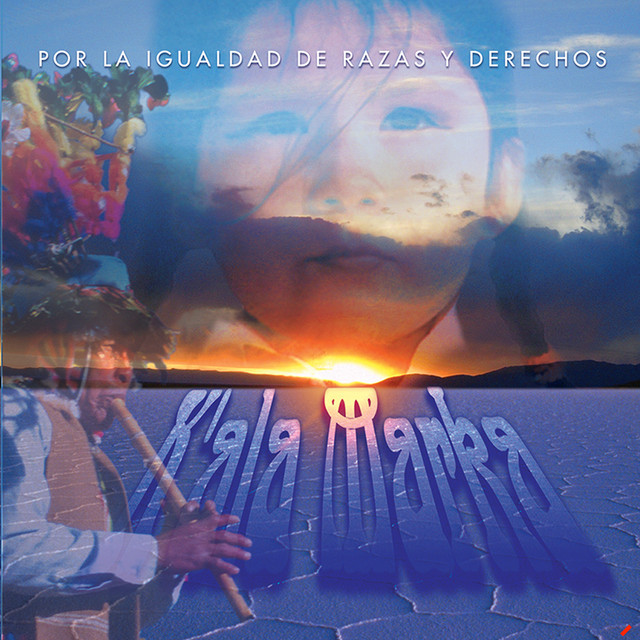
A hallmark of folclor andino is its characteristic timbres: the quena (a vertical notch flute), the siku or panpipes (zampoña) in various sizes, and the charango (a small guitar-like string instrument often made with an armadillo shell). These voices blend with robust percussion, desde bombo drums to tamboras, and sometimes guitar, bajo sexto, or other string instruments. The vocal approach ranges from tight, bright, high-lying lines to resonant, polyphonic harmonies. Many pieces are sung in Quechua or Aymara, with Spanish interwoven in later verses, reflecting the region’s linguistic tapestry. Melodies frequently move in pentatonic or modal scales, with drones and interlocking lines that invite communal singing and call-and-response participation.
Key forms and motifs
Huayno stands out as perhaps the best-known Andean form—a heartfelt, danceable song with emotional leaps in the vocal line and a rhythmic pulse designed for social dances. Other regional forms explore ritual narratives, harvest songs, and mountain-pedestrian storytelling, often tied to local festivals, pilgrimages, and everyday life. The repertoire is deeply pictorial: songs evoke Pachamama (Earth Mother), Apus (mountain spirits), llamas and llameritas, and the cycles of sowing and harvest. The genre also embraces modernization, with groups integrating rock, jazz, or electronic textures while preserving core instrumental identities.
Ambassadors and influence
- Yma Sumac (Peru): A legendary figure who helped bring Andean music to international audiences in the mid-20th century with a dramatic, operatic vocal style and lush orchestration.
- Los Kjarkas (Bolivia): A foundational Bolivian group whose compositions became worldwide touchstones, including melodies that later crossed into pop culture.
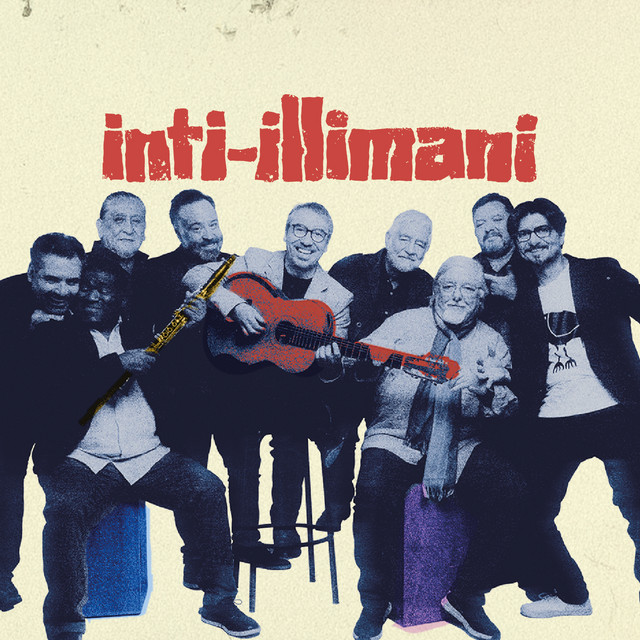
- Inti-Illimani (Chile): A prominent ensemble within the Nueva Canción movement, blending Andean influences with social and political songcraft and expanding the genre’s reach beyond its borders.
- Other notable currents include contemporary Andean folk ensembles and artists who fuse traditional instruments with today’s genres, helping folclor andino stay vibrant in clubs, festivals, and streaming playlists.
Where it’s most popular
Folclor andino remains strongest in Peru, Bolivia, and Ecuador, with strong scenes in northern Chile and Argentina’s northwest (Jujuy and Salta). It thrives among urban and rural communities, and has a sizable international footprint: world-music festivals across Europe, North America, and Asia regularly feature Andean repertoires, drawing listeners who are hungry for authentic timbres, intricate rhythms, and the storytelling heart of the mountains.
If you listen closely, folclor andino is more than music—it’s a living corridor between communities, seasons, and skies, continually renewed by musicians who honor the past while inviting new ears to listen.
Origins and evolution
The roots of folclor andino are ancient, connected to the civilizations that thrived in the Andean plateau long before Europeans arrived. The music absorbed Inca practices and cosmology, but it did not stop evolving with contact and exchange. The Spanish brought new instruments and forms, which blended with indigenous timbres to create a hybrid sonic language. In the 20th century, a revival took hold: folk collectors, radio programs, and regional festivals helped standardize a recognizable “Andean” repertoire, while also inviting modern ensembles to reinterpret regional styles. Today, the genre lives in villages and concert halls alike, constantly renewing itself through cross-cultural collaborations, urban fusions, and global audiences.
Sound and instruments
A hallmark of folclor andino is its characteristic timbres: the quena (a vertical notch flute), the siku or panpipes (zampoña) in various sizes, and the charango (a small guitar-like string instrument often made with an armadillo shell). These voices blend with robust percussion, desde bombo drums to tamboras, and sometimes guitar, bajo sexto, or other string instruments. The vocal approach ranges from tight, bright, high-lying lines to resonant, polyphonic harmonies. Many pieces are sung in Quechua or Aymara, with Spanish interwoven in later verses, reflecting the region’s linguistic tapestry. Melodies frequently move in pentatonic or modal scales, with drones and interlocking lines that invite communal singing and call-and-response participation.
Key forms and motifs
Huayno stands out as perhaps the best-known Andean form—a heartfelt, danceable song with emotional leaps in the vocal line and a rhythmic pulse designed for social dances. Other regional forms explore ritual narratives, harvest songs, and mountain-pedestrian storytelling, often tied to local festivals, pilgrimages, and everyday life. The repertoire is deeply pictorial: songs evoke Pachamama (Earth Mother), Apus (mountain spirits), llamas and llameritas, and the cycles of sowing and harvest. The genre also embraces modernization, with groups integrating rock, jazz, or electronic textures while preserving core instrumental identities.
Ambassadors and influence
- Yma Sumac (Peru): A legendary figure who helped bring Andean music to international audiences in the mid-20th century with a dramatic, operatic vocal style and lush orchestration.
- Los Kjarkas (Bolivia): A foundational Bolivian group whose compositions became worldwide touchstones, including melodies that later crossed into pop culture.
- Inti-Illimani (Chile): A prominent ensemble within the Nueva Canción movement, blending Andean influences with social and political songcraft and expanding the genre’s reach beyond its borders.
- Other notable currents include contemporary Andean folk ensembles and artists who fuse traditional instruments with today’s genres, helping folclor andino stay vibrant in clubs, festivals, and streaming playlists.
Where it’s most popular
Folclor andino remains strongest in Peru, Bolivia, and Ecuador, with strong scenes in northern Chile and Argentina’s northwest (Jujuy and Salta). It thrives among urban and rural communities, and has a sizable international footprint: world-music festivals across Europe, North America, and Asia regularly feature Andean repertoires, drawing listeners who are hungry for authentic timbres, intricate rhythms, and the storytelling heart of the mountains.
If you listen closely, folclor andino is more than music—it’s a living corridor between communities, seasons, and skies, continually renewed by musicians who honor the past while inviting new ears to listen.