Genre
folklore argentino
Top Folklore argentino Artists
Showing 25 of 1,248 artists








About Folklore argentino
Argentine folklore, or folklore argentino, is the living archive of a nation’s rural memory. It gathers a mosaic of regional voices—guitar-driven ballads, ecstatic dances, and stories of gauchos, rivers, and frontiers—into a single, expansive tradition. Rather than a single style, it’s a family of genres that grew out of the Pampas and the gaucho culture, absorbing Indigenous melodies, European influences, and the social rhythms of migrating communities. Its birth as a conscious cultural movement dates to the early 20th century, but its roots go back further: customs and songs circulated in provincial towns, markets, and campo camps, carried by itinerant musicians and rural families.
In sound and form, Argentine folklore spans several emblematic styles. Chacarera, perhaps the best known outside its home provinces, is a call-and-response dance in which guitar, bombo legüero, and often violin or harp propel rustic yet intricate rhythms. Zamba, more lyrical and sensuous, unfolds with arpeggiated guitar and soft percussion, telling intimate, atmospheric stories that drift between longing and memory. Chamamé, a pulse with full-bodied accordion and percussion, thrives in the northeast—Corrientes and Misiones—where riverine life and migratory exchanges shaped its exuberant, danceable charisma. Other regional voices include milonga campera, gato, and the wilder, more austere notes of the northwestern tradition. Across these forms, the voice remains central: the lyric often surveys love, labor, land, and memory with a poet’s precision and a dancer’s heartbeat.
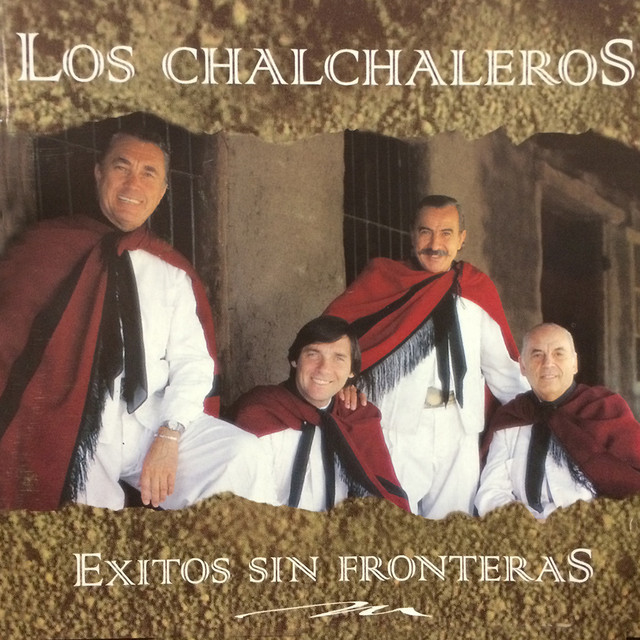
Key ambassadors have helped propel folklore argentino beyond provincial borders. Atahualpa Yupanqui, one of the genre’s most revered figures, wove stoic storytelling with stark social conscience, making the pampas and the highway into universal motifs. Mercedes Sosa, “La Negra,” expanded the repertoire’s reach with a powerful, expansive vocalism that championed social justice and human rights, turning intimate folk songs into resonant national and international anthems. Other foundational ensembles—Los Chalchaleros, Los Manseros Santiagueños, and Los Tekis, among others—shaped the soundscapes of villages and festivals alike, preserving and innovating traditional repertoires while inviting new audiences to the dance floor.
Instrumentation across the genre typically centers on the guitar, paired with bombo legüero, violin, and occasionally harps or flutes; the vibe can swing from sparse, introspective moments to exuberant, communal celebrations. The rhythms invite both listening deep dives and collective movement, making folklore argentino particularly suited to live performance, where regional identity takes on a communal, almost ceremonial dimension. The modern revival has also embraced young producers and artists who fuse traditional lines with contemporary textures, ensuring the tradition remains a living, evolving art form rather than a mere archive.
Countries beyond Argentina where the music finds kin and fans include Uruguay and the southern cone’s borderlands, where shared landscapes and diasporic ties keep the sound vibrant, as well as Europe and North America, where world-music audiences discover its maritime storytelling and rhythmic warmth. For the avid listener, folklore argentino offers a map of Argentine identity—regional pride, historical memory, and a resilient, democratic spirit expressed through melody, rhythm, and the dance of shared culture. If you crave music that speaks of land and labor with lyrical nuance and infectious vitality, the world of Argentine folklore invites you to listen closely, dance freely, and travel through sound.
In sound and form, Argentine folklore spans several emblematic styles. Chacarera, perhaps the best known outside its home provinces, is a call-and-response dance in which guitar, bombo legüero, and often violin or harp propel rustic yet intricate rhythms. Zamba, more lyrical and sensuous, unfolds with arpeggiated guitar and soft percussion, telling intimate, atmospheric stories that drift between longing and memory. Chamamé, a pulse with full-bodied accordion and percussion, thrives in the northeast—Corrientes and Misiones—where riverine life and migratory exchanges shaped its exuberant, danceable charisma. Other regional voices include milonga campera, gato, and the wilder, more austere notes of the northwestern tradition. Across these forms, the voice remains central: the lyric often surveys love, labor, land, and memory with a poet’s precision and a dancer’s heartbeat.
Key ambassadors have helped propel folklore argentino beyond provincial borders. Atahualpa Yupanqui, one of the genre’s most revered figures, wove stoic storytelling with stark social conscience, making the pampas and the highway into universal motifs. Mercedes Sosa, “La Negra,” expanded the repertoire’s reach with a powerful, expansive vocalism that championed social justice and human rights, turning intimate folk songs into resonant national and international anthems. Other foundational ensembles—Los Chalchaleros, Los Manseros Santiagueños, and Los Tekis, among others—shaped the soundscapes of villages and festivals alike, preserving and innovating traditional repertoires while inviting new audiences to the dance floor.
Instrumentation across the genre typically centers on the guitar, paired with bombo legüero, violin, and occasionally harps or flutes; the vibe can swing from sparse, introspective moments to exuberant, communal celebrations. The rhythms invite both listening deep dives and collective movement, making folklore argentino particularly suited to live performance, where regional identity takes on a communal, almost ceremonial dimension. The modern revival has also embraced young producers and artists who fuse traditional lines with contemporary textures, ensuring the tradition remains a living, evolving art form rather than a mere archive.
Countries beyond Argentina where the music finds kin and fans include Uruguay and the southern cone’s borderlands, where shared landscapes and diasporic ties keep the sound vibrant, as well as Europe and North America, where world-music audiences discover its maritime storytelling and rhythmic warmth. For the avid listener, folklore argentino offers a map of Argentine identity—regional pride, historical memory, and a resilient, democratic spirit expressed through melody, rhythm, and the dance of shared culture. If you crave music that speaks of land and labor with lyrical nuance and infectious vitality, the world of Argentine folklore invites you to listen closely, dance freely, and travel through sound.