Genre
folklore venezolano
Top Folklore venezolano Artists
Showing 16 of 16 artists



About Folklore venezolano
Folklore venezolano is the living pulse of Venezuela’s cultural memory, a broad umbrella that covers the country’s most traditional sounds, stories, and dances. It is not a single style but a family of regional expressions that reflect the diverse landscapes and histories of the nation—from the vast Llanos plains to the shores of the Caribbean coast and the foggy highlands. At its core, folklore venezolano is about narrative through music: songs that speak of work, love, weather, harvests, and daily life, carried by melodies that have learned to travel across generations.
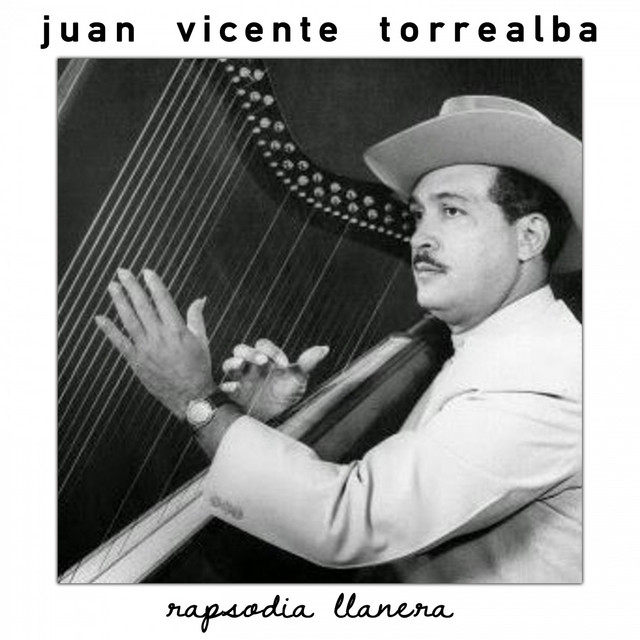
The most iconic strand is the joropo, the music of the Llanos, the expansive plains that cross into Colombia. Born in the 18th and 19th centuries, the joropo fused Spanish colonial influences with Indigenous and African elements, evolving into a lively courtship music and dance. Its characteristic sound comes from a triad of main voices: the harp (arpa llanera), the cuatro (a four-string guitar), and the maracas, often joined by a percussion backbone. The singing is fast and agile, with a keen sense of improvisation and a deep sense of rural identity. The dance, with its quick footwork and graceful spins, completes the experience, making the joropo a centerpiece of national pride.
Alongside the joropo, other regional genres contribute to the folklore tapestry. In the northern coast and along the marimesa, calypso-tinged rhythms and punto songs reflect Afro-Atlantic and Caribbean influences. In western Venezuela, the gaita zuliana from Zulia state becomes the festive voice of Christmas and year-round celebrations, characterized by a bright, communal chorus and tambourines, caixas (drums), and gaita instruments that create a brisk, infectious mood. Each region adds its own textures and stories, but all share a dedication to telling the country’s lived experiences through song and rhythm.
Among the genre’s most enduring ambassadors are Simón Díaz, known as El Tío Simón, whose voice and guitar-based storytelling helped crystallize Venezuelan folk identity with songs like Caballo Viejo and Tonadas de mi Pueblo. His work bridged rural traditions and urban audiences, keeping folklore venezolano relevant across generations. Another pillar is the Gaiteros de San Benito, a legendary group from Caracas that helped popularize the gaita and keep it vibrant in contemporary contexts. Together with countless regional troubadours, these artists remind listeners that folklore is a living, evolving force, not a fossilized museum piece.
Folklore venezolano enjoys popularity mainly in Venezuela, where it remains a daily part of festivals, radio programming, and family gatherings. It also resonates in neighboring Colombia—especially in the Llanos region where cultural crossovers are strong—and among Venezuelan communities abroad, notably in the United States, Spain, and parts of Latin America, where diaspora audiences seek connections to homeland sounds.
For enthusiasts, the genre offers a rich archive of rhythm, poetry, and dance. It invites listening that moves from the intimate voice of a solo cantaor to the collective energy of a street, a festival, or a family party. Delving into folklore venezolano is not only about hearing music; it’s about experiencing a country’s memory alive in sound.
The most iconic strand is the joropo, the music of the Llanos, the expansive plains that cross into Colombia. Born in the 18th and 19th centuries, the joropo fused Spanish colonial influences with Indigenous and African elements, evolving into a lively courtship music and dance. Its characteristic sound comes from a triad of main voices: the harp (arpa llanera), the cuatro (a four-string guitar), and the maracas, often joined by a percussion backbone. The singing is fast and agile, with a keen sense of improvisation and a deep sense of rural identity. The dance, with its quick footwork and graceful spins, completes the experience, making the joropo a centerpiece of national pride.
Alongside the joropo, other regional genres contribute to the folklore tapestry. In the northern coast and along the marimesa, calypso-tinged rhythms and punto songs reflect Afro-Atlantic and Caribbean influences. In western Venezuela, the gaita zuliana from Zulia state becomes the festive voice of Christmas and year-round celebrations, characterized by a bright, communal chorus and tambourines, caixas (drums), and gaita instruments that create a brisk, infectious mood. Each region adds its own textures and stories, but all share a dedication to telling the country’s lived experiences through song and rhythm.
Among the genre’s most enduring ambassadors are Simón Díaz, known as El Tío Simón, whose voice and guitar-based storytelling helped crystallize Venezuelan folk identity with songs like Caballo Viejo and Tonadas de mi Pueblo. His work bridged rural traditions and urban audiences, keeping folklore venezolano relevant across generations. Another pillar is the Gaiteros de San Benito, a legendary group from Caracas that helped popularize the gaita and keep it vibrant in contemporary contexts. Together with countless regional troubadours, these artists remind listeners that folklore is a living, evolving force, not a fossilized museum piece.
Folklore venezolano enjoys popularity mainly in Venezuela, where it remains a daily part of festivals, radio programming, and family gatherings. It also resonates in neighboring Colombia—especially in the Llanos region where cultural crossovers are strong—and among Venezuelan communities abroad, notably in the United States, Spain, and parts of Latin America, where diaspora audiences seek connections to homeland sounds.
For enthusiasts, the genre offers a rich archive of rhythm, poetry, and dance. It invites listening that moves from the intimate voice of a solo cantaor to the collective energy of a street, a festival, or a family party. Delving into folklore venezolano is not only about hearing music; it’s about experiencing a country’s memory alive in sound.