Genre
forest black metal
Top Forest black metal Artists
Showing 4 of 4 artists
About Forest black metal
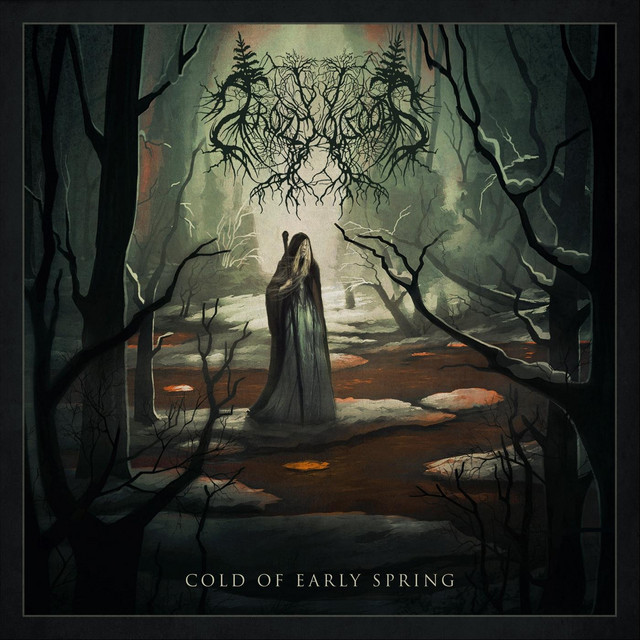
Forest black metal is a mood-first branch of black metal that foregrounds nature, woods, and wilderness as its guiding imagery. It favors spacious, atmospheric textures over sheer violence, weaving tremolo-picked riffs, heavy but restrained drums, and often melancholy melodies into soundscapes that feel like wandering through an ancient forest at dusk. Production tends to preserve natural ambiance—wind, birdsong, distant creaks of trees—so the music breathes, sometimes blurring the line between song and environment.
Origins and evolution are diffuse, part of the broader atmospheric and folk-inflected black metal movements that took shape in the 1990s and blossomed in the 2000s. In North America, the Cascadian region (the Pacific Northwest) became a focal point for the forest aesthetic. Bands such as Wolves in the Throne Room and Agalloch blended black metal with folk, doom, and expansive, nature-inspired songwriting, giving rise to what fans often call “forest black metal” or “Cascadian black metal.” The sound then spread beyond a single coast or country, mutating with regional influences and new collaborators.
Ambassadors and touchstones include:
- Agalloch (USA), whose albums The Mantle and Ashes Against the Grain helped define the mood: wintery forests, personal mythologies, and a blend of black metal, folk, and post-rock sensibilities.
- Wolves in the Throne Room (USA), whose Diadem of 12 Stars and related works crystallized the forest ethos—vast, solemn, and ritualistic black metal rooted in nature.
- Panopticon (USA), a project that fused Appalachian folk, Americana textures, and black metal to create a distinctly forested, land-based atmosphere (notably the Kentucky album, which became a landmark in the fusion of forest mood with metal intensity).
- Fen (UK) and Saor (Scotland) as late-2000s/2010s exponents, expanding the palette with misty moorlands, folk melodies, and Celtic-tinged motifs.
- Alcest and other post-black antecedents occasionally entering the orbit, bringing a dreamier, nature-focused sensibility that’s adjacent to forest black metal in mood and landscape.
Musically, forest black metal sits at the intersection of style and atmosphere. It often features:
- Slow-to-mid tempo sections interwoven with rapid tremolo passages.
- Dense, reverb-heavy guitar walls that evoke deep woods and winter landscapes.
- Occasional clean vocals, spoken word, or folk-inspired melodies—paired with harsh black metal shrieks or growls.
- Use of acoustic guitar, piano, keyboards, and field recordings (wind, birds, rustling leaves) to build an immersive, cinematic feel.
- Lyrical themes centered on trees, mountains, rivers, pagan or nature-centric spirituality, and critiques of modern life or civilization’s encroachment.
Geographically, the genre’s strongest footprints are in the United States—especially the Pacific Northwest and neighboring states—alongside strong European scenes in Norway, Sweden, the UK, and Scotland. It’s a global, loosely defined movement: bands around the world draw on forests and nature to frame their sound, producing records that feel like a journey through a living woodland rather than a straightforward metal assault.
For listeners curious to dive in, start with Agalloch’s The Mantle, Wolves in the Throne Room’s early discography, and Panopticon’s Kentucky. From there, explore Fen, Saor, and other regional takes to hear how different forests—Douglas-fir and cedar groves of the Pacific Northwest, misty Scottish glens, or windswept European woodlands—shape this evocative, nature-centered corner of black metal.
Origins and evolution are diffuse, part of the broader atmospheric and folk-inflected black metal movements that took shape in the 1990s and blossomed in the 2000s. In North America, the Cascadian region (the Pacific Northwest) became a focal point for the forest aesthetic. Bands such as Wolves in the Throne Room and Agalloch blended black metal with folk, doom, and expansive, nature-inspired songwriting, giving rise to what fans often call “forest black metal” or “Cascadian black metal.” The sound then spread beyond a single coast or country, mutating with regional influences and new collaborators.
Ambassadors and touchstones include:
- Agalloch (USA), whose albums The Mantle and Ashes Against the Grain helped define the mood: wintery forests, personal mythologies, and a blend of black metal, folk, and post-rock sensibilities.
- Wolves in the Throne Room (USA), whose Diadem of 12 Stars and related works crystallized the forest ethos—vast, solemn, and ritualistic black metal rooted in nature.
- Panopticon (USA), a project that fused Appalachian folk, Americana textures, and black metal to create a distinctly forested, land-based atmosphere (notably the Kentucky album, which became a landmark in the fusion of forest mood with metal intensity).
- Fen (UK) and Saor (Scotland) as late-2000s/2010s exponents, expanding the palette with misty moorlands, folk melodies, and Celtic-tinged motifs.
- Alcest and other post-black antecedents occasionally entering the orbit, bringing a dreamier, nature-focused sensibility that’s adjacent to forest black metal in mood and landscape.
Musically, forest black metal sits at the intersection of style and atmosphere. It often features:
- Slow-to-mid tempo sections interwoven with rapid tremolo passages.
- Dense, reverb-heavy guitar walls that evoke deep woods and winter landscapes.
- Occasional clean vocals, spoken word, or folk-inspired melodies—paired with harsh black metal shrieks or growls.
- Use of acoustic guitar, piano, keyboards, and field recordings (wind, birds, rustling leaves) to build an immersive, cinematic feel.
- Lyrical themes centered on trees, mountains, rivers, pagan or nature-centric spirituality, and critiques of modern life or civilization’s encroachment.
Geographically, the genre’s strongest footprints are in the United States—especially the Pacific Northwest and neighboring states—alongside strong European scenes in Norway, Sweden, the UK, and Scotland. It’s a global, loosely defined movement: bands around the world draw on forests and nature to frame their sound, producing records that feel like a journey through a living woodland rather than a straightforward metal assault.
For listeners curious to dive in, start with Agalloch’s The Mantle, Wolves in the Throne Room’s early discography, and Panopticon’s Kentucky. From there, explore Fen, Saor, and other regional takes to hear how different forests—Douglas-fir and cedar groves of the Pacific Northwest, misty Scottish glens, or windswept European woodlands—shape this evocative, nature-centered corner of black metal.