Genre
frafra
Top Frafra Artists
Showing 15 of 15 artists


About Frafra
Frafra, named for the Frafra people of northern Ghana (and neighboring communities in Burkina Faso), is a regional music style that sits between tradition and contemporary experimentation. It draws on communal dance songs, harvest rhythms and storytelling, then folds in the textures of modern pop, highlife, and hip‑hop. The result is music that can feel ceremonial one moment and club‑ready the next, intimate in its lyricism yet expansive in its groove. The sound has traveled from village gatherings to city stages and festival circuits, allowing Frafra’s voice to reach wider audiences while staying rooted in local language and memory.
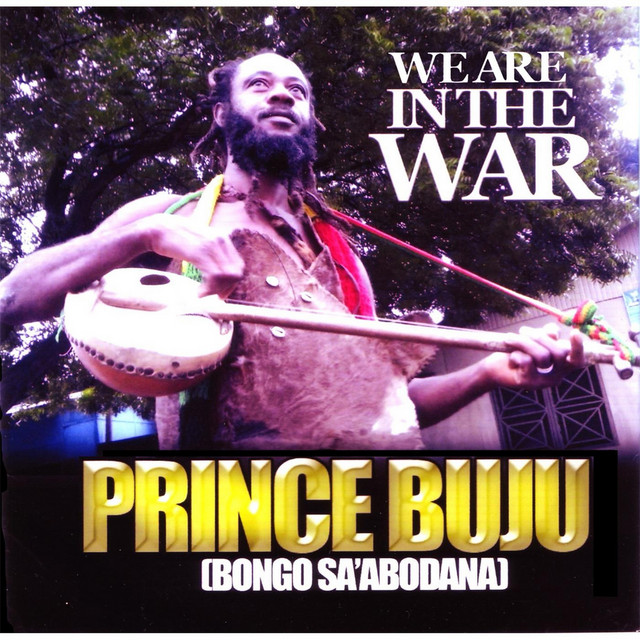
At the core of Frafra music is rhythm and a signature instrument lineage. The kologo, a lean two‑string lute, often carries the melody with hypnotic looping lines that propel the music forward. Vocals deploy call‑and‑response patterns, interlocking percussion and handclaps to create a pulsing, polyphonic texture. Lyrically, songs reflect daily life, love, social commentary and proverb‑like wisdom, usually sung in Frafra with occasional lines in related languages. Production blends traditional textures with contemporary gear—electronic drums, bass, synths and samples—so the sound travels from intimate village spaces to stages and studios around the world.
Frafra as a contemporary scene coalesced in the late 20th and early 21st centuries, as urban centers in the Upper East and neighboring regions became meeting points for rural rhythms and global pop. Local studios in Bolgatanga and nearby towns supported experiments with tempo, arrangement, and cross‑genre collaboration. While the kologo anchors the sound, players from adjacent groups contribute, making the style a shared Northern Ghana idiom rather than a single line. The result is music that preserves tradition while inviting new producers, dancers and audiences to remix its form.
Ambassadors of Frafra music include the kologo virtuosi who bring the tradition to international stages. King Ayisoba is often cited as a leading figure, using bold storytelling and raw groove to introduce Frafra‑inflected sound to world audiences. A younger generation of producers and vocalists continues to expand the vocabulary—collaborating with Afrobeat, reggae, hip‑hop and electronic music—without losing the language’s warmth and earthy humor. The diaspora has helped propel Frafra beyond Ghana’s borders, into Europe, North America and other diasporic communities, where listeners encounter its direct, unvarnished energy and living culture.
Where is it most popular? In Ghana, it thrives in the Upper East and other northern districts; in Burkina Faso and Ivory Coast it circulates through cross‑border networks. On the global stage, Frafra‑influenced music appears at world‑music festivals and in cross‑genre projects that celebrate West Africa’s polyphonic grooves and storytelling.
At the core of Frafra music is rhythm and a signature instrument lineage. The kologo, a lean two‑string lute, often carries the melody with hypnotic looping lines that propel the music forward. Vocals deploy call‑and‑response patterns, interlocking percussion and handclaps to create a pulsing, polyphonic texture. Lyrically, songs reflect daily life, love, social commentary and proverb‑like wisdom, usually sung in Frafra with occasional lines in related languages. Production blends traditional textures with contemporary gear—electronic drums, bass, synths and samples—so the sound travels from intimate village spaces to stages and studios around the world.
Frafra as a contemporary scene coalesced in the late 20th and early 21st centuries, as urban centers in the Upper East and neighboring regions became meeting points for rural rhythms and global pop. Local studios in Bolgatanga and nearby towns supported experiments with tempo, arrangement, and cross‑genre collaboration. While the kologo anchors the sound, players from adjacent groups contribute, making the style a shared Northern Ghana idiom rather than a single line. The result is music that preserves tradition while inviting new producers, dancers and audiences to remix its form.
Ambassadors of Frafra music include the kologo virtuosi who bring the tradition to international stages. King Ayisoba is often cited as a leading figure, using bold storytelling and raw groove to introduce Frafra‑inflected sound to world audiences. A younger generation of producers and vocalists continues to expand the vocabulary—collaborating with Afrobeat, reggae, hip‑hop and electronic music—without losing the language’s warmth and earthy humor. The diaspora has helped propel Frafra beyond Ghana’s borders, into Europe, North America and other diasporic communities, where listeners encounter its direct, unvarnished energy and living culture.
Where is it most popular? In Ghana, it thrives in the Upper East and other northern districts; in Burkina Faso and Ivory Coast it circulates through cross‑border networks. On the global stage, Frafra‑influenced music appears at world‑music festivals and in cross‑genre projects that celebrate West Africa’s polyphonic grooves and storytelling.