Genre
french post-punk
Top French post-punk Artists
Showing 5 of 5 artists


About French post-punk
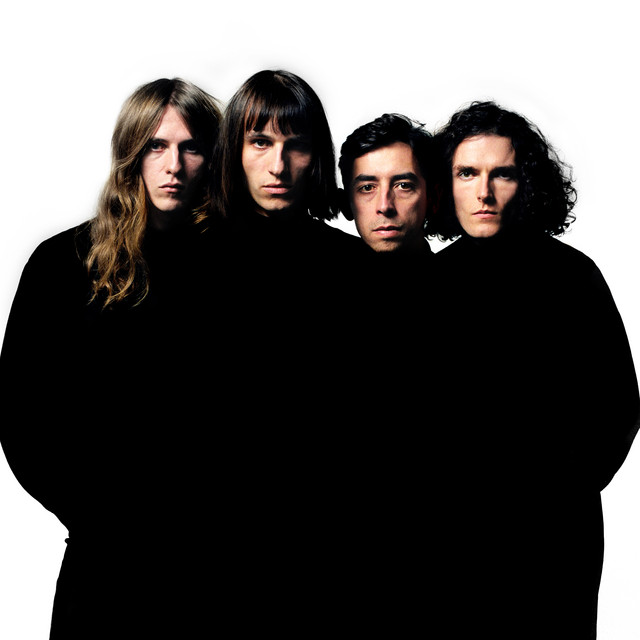
French post-punk is the French arc of the global post-punk explosion that redefined underground music at the end of the 1970s. It married the raw energy and political bite of punk with art-school experimentation, literate lyricism, and noir mood. In France, the scene crystallized in Paris and spilled to other cities through small clubs, independent labels, and fanzines that traded riffs. The music tends to be angular and precise, with a love of mood and texture.
Origins trace to roughly 1977–1980, when French bands began pushing punk into more exploratory territory. They borrowed from the English post-punk blueprint but kept a distinctly European, often cinematic sensibility: terse guitar hooks, atmospheric reverb, and rhythms that could snap or creep. A parallel current—often labeled cold wave—deepened the austere, minimalist side of the sound and became a hallmark of the era in France. Small venues and the emerging independent scene helped these acts reach audiences beyond the first punk wave.
Foundational acts include Métal Urbain, whose noisy, electrified attack and provocative aesthetics sounded like a bridge between punk, experimental electronics, and theatrical performance; and Stinky Toys, a Paris group that embodied the DIY courage and stylish irreverence of the early scene. Taxi Girl offered a sharper, more melodic strand, connecting the underground to the radio and club circuits in the early 1980s. Together they became ambassadors of a French take on post-punk: urgent yet refined, raw yet cinematic, politically alert but poetically oblique.
Musically, French post-punk favors tight guitar dynamics, punchy bass, and drums with a brisk, economical pulse. Some bands leaned toward jangly or tremolo textures; others embraced synths as the mood grew colder. Vocals range from deadpan speak-singing to expressive, theatrical lines. Lyrically, the songs probe alienation, urban life, and social critique, while presenting a stylish, ironic stance toward the status quo. The aesthetic balances darkness with a winking sense of style, helping the sound linger.
Geographically, the heart of the genre is France—the capital city network and the broader francophone belt of Europe. Paris remains the historical hub, but Lyon, Lille, and other cities fostered scenes that fed into a broader European conversation. Outside France, Belgium and Swiss scenes, plus collecting communities in the UK, Japan, and North America, have kept the music alive through reissues, compilations, and niche concerts. The French post-punk lineage also fed into later cold wave and indie strands, influencing bands that fused minimalism with sharper, more emotive songwriting.
Today the genre survives as a collector’s archive and a living template for new acts drawn to its clarity of mood and economy of means. For enthusiasts, it offers a map of records, flyers, and live tapes that document a late-70s–early-80s moment when a country’s underground expressed itself with a uniquely Parisian but widely resonant sting. French post-punk is not simply a relic; it is a lens on a period when art and rebellion walked hand in hand, and when a handful of songs could still feel intimate, dangerous, and modern. It remains a living, evolving conversation.
Origins trace to roughly 1977–1980, when French bands began pushing punk into more exploratory territory. They borrowed from the English post-punk blueprint but kept a distinctly European, often cinematic sensibility: terse guitar hooks, atmospheric reverb, and rhythms that could snap or creep. A parallel current—often labeled cold wave—deepened the austere, minimalist side of the sound and became a hallmark of the era in France. Small venues and the emerging independent scene helped these acts reach audiences beyond the first punk wave.
Foundational acts include Métal Urbain, whose noisy, electrified attack and provocative aesthetics sounded like a bridge between punk, experimental electronics, and theatrical performance; and Stinky Toys, a Paris group that embodied the DIY courage and stylish irreverence of the early scene. Taxi Girl offered a sharper, more melodic strand, connecting the underground to the radio and club circuits in the early 1980s. Together they became ambassadors of a French take on post-punk: urgent yet refined, raw yet cinematic, politically alert but poetically oblique.
Musically, French post-punk favors tight guitar dynamics, punchy bass, and drums with a brisk, economical pulse. Some bands leaned toward jangly or tremolo textures; others embraced synths as the mood grew colder. Vocals range from deadpan speak-singing to expressive, theatrical lines. Lyrically, the songs probe alienation, urban life, and social critique, while presenting a stylish, ironic stance toward the status quo. The aesthetic balances darkness with a winking sense of style, helping the sound linger.
Geographically, the heart of the genre is France—the capital city network and the broader francophone belt of Europe. Paris remains the historical hub, but Lyon, Lille, and other cities fostered scenes that fed into a broader European conversation. Outside France, Belgium and Swiss scenes, plus collecting communities in the UK, Japan, and North America, have kept the music alive through reissues, compilations, and niche concerts. The French post-punk lineage also fed into later cold wave and indie strands, influencing bands that fused minimalism with sharper, more emotive songwriting.
Today the genre survives as a collector’s archive and a living template for new acts drawn to its clarity of mood and economy of means. For enthusiasts, it offers a map of records, flyers, and live tapes that document a late-70s–early-80s moment when a country’s underground expressed itself with a uniquely Parisian but widely resonant sting. French post-punk is not simply a relic; it is a lens on a period when art and rebellion walked hand in hand, and when a handful of songs could still feel intimate, dangerous, and modern. It remains a living, evolving conversation.