Genre
french rock-and-roll
Top French rock-and-roll Artists
Showing 14 of 14 artists




About French rock-and-roll
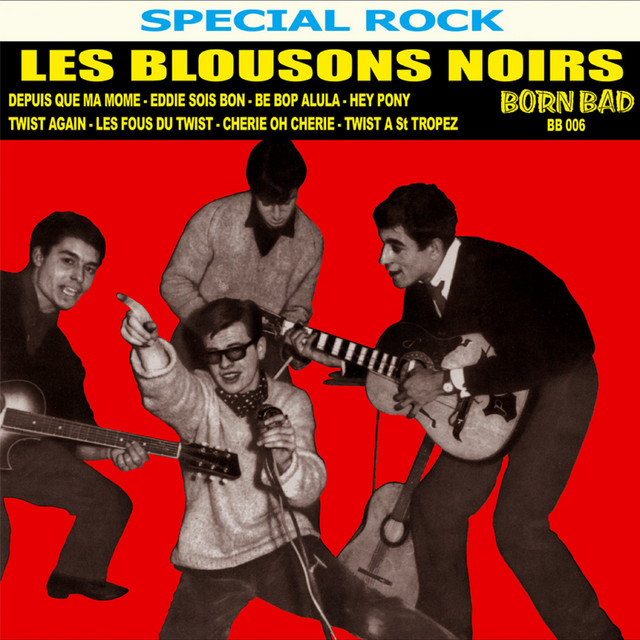
French rock-and-roll is the French-speaking answer to the worldwide rush of postwar electric guitar, a movement that translated the raw energy of American rock into a distinctly French sensibility. Its birth is tethered to the 1950s, when French youth clubs, radio programs, and small clubs began to echo the raucous vitality of Elvis, Chuck Berry, and Bill Haley. French audiences heard fresh takes on familiar riffs, but with a local flavor—nascent stage presence, swaggering vocals, and a lyric approach that often wove in chanson-like storytelling. The result was not a mere cover version of the American sound, but a first wave of a national voice that could stand alongside its models.
The 1960s solidified French rock-and-roll as a recognizable scene. Its most enduring ambassador became Johnny Hallyday, who earned the nickname the “French Elvis” through a string of chart-topping singles and a relentless touring schedule. Hallyday embodied the era’s glamour and danger, turning rock into a mainstream French phenomenon. Alongside him, groups such as Les Chaussettes Noires—fronted by Eddy Mitchell—helped lay the template of the era: aggressive guitar lines, punchy rhythms, and a showmanship that fused rock with a dash of humor and theater. Other artists, like Richard Anthony, contributed to the English-tinged rock-and-roll vocabulary while beginning to add French lyrics and a homegrown sensibility. This decade also saw the influx of the “yé-yé” movement, a pop-oriented countercurrent, which sometimes intersected with rock-and-roll, enriching the French scene with a lighter, more melodic side.
Entering the late 1960s and 1970s, French rock-and-roll began to thread more complex textures into its fabric. The movement evolved into what fans and critics now call French rock—an umbrella that included hard-edged guitar-driven bands, melodic power trios, and a broader readiness to experiment within a French-language framework. While artists from Téléphone to later bands in the 1980s and beyond became central to the broader French rock identity, the core trait remained: a stubborn originality that insisted the language and cultural milieu of France could drive compelling rock without simply mimicking Anglo-American models.
The genre’s appeal is strongest in francophone territories. France remains its heart, but it has enjoyed strong followings in Belgium (particularly Wallonia), Switzerland, and Canada (notably Québec). It also enjoys periodic revivals and a steady subcultural presence in Francophone Africa and the Maghreb, where audiences connect through language, shared heritage, and the universal appeal of guitar-based rock. In recent decades, the French scene has continued to produce bands that recall the genre’s early ethos—a blend of rebellious energy, lyrical craft, and a willingness to fuse rock with other French traditions.
For enthusiasts, French rock-and-roll represents more than a style—it's a historical gateway to how France reinterpreted global rock energy through its own language, fashion, and cultural questions. It’s the spark that enabled a nation to translate American rock into something unmistakably French, with a lineage that feeds into contemporary French rock, pop-punk, and indie scenes today.
The 1960s solidified French rock-and-roll as a recognizable scene. Its most enduring ambassador became Johnny Hallyday, who earned the nickname the “French Elvis” through a string of chart-topping singles and a relentless touring schedule. Hallyday embodied the era’s glamour and danger, turning rock into a mainstream French phenomenon. Alongside him, groups such as Les Chaussettes Noires—fronted by Eddy Mitchell—helped lay the template of the era: aggressive guitar lines, punchy rhythms, and a showmanship that fused rock with a dash of humor and theater. Other artists, like Richard Anthony, contributed to the English-tinged rock-and-roll vocabulary while beginning to add French lyrics and a homegrown sensibility. This decade also saw the influx of the “yé-yé” movement, a pop-oriented countercurrent, which sometimes intersected with rock-and-roll, enriching the French scene with a lighter, more melodic side.
Entering the late 1960s and 1970s, French rock-and-roll began to thread more complex textures into its fabric. The movement evolved into what fans and critics now call French rock—an umbrella that included hard-edged guitar-driven bands, melodic power trios, and a broader readiness to experiment within a French-language framework. While artists from Téléphone to later bands in the 1980s and beyond became central to the broader French rock identity, the core trait remained: a stubborn originality that insisted the language and cultural milieu of France could drive compelling rock without simply mimicking Anglo-American models.
The genre’s appeal is strongest in francophone territories. France remains its heart, but it has enjoyed strong followings in Belgium (particularly Wallonia), Switzerland, and Canada (notably Québec). It also enjoys periodic revivals and a steady subcultural presence in Francophone Africa and the Maghreb, where audiences connect through language, shared heritage, and the universal appeal of guitar-based rock. In recent decades, the French scene has continued to produce bands that recall the genre’s early ethos—a blend of rebellious energy, lyrical craft, and a willingness to fuse rock with other French traditions.
For enthusiasts, French rock-and-roll represents more than a style—it's a historical gateway to how France reinterpreted global rock energy through its own language, fashion, and cultural questions. It’s the spark that enabled a nation to translate American rock into something unmistakably French, with a lineage that feeds into contemporary French rock, pop-punk, and indie scenes today.