Genre
cabaret
Top Cabaret Artists
Showing 20 of 20 artists



About Cabaret
Cabaret is a performance tradition as much as a musical genre: intimate, witty, and always theater-forward, it centers the singer as a storyteller who can both croon a ballad and spark a knowing smile or a sharp critique. Its sound and spirit draw from a European cafe culture where music, spoken word, and social commentary mingle in small rooms. The form crystallized in late 19th-century Paris as cafés-concerts became gathering places for artists, poets, and wanderers. One emblematic hub was Le Chat Noir in Montmartre, opened in 1881 by Rodolphe Salis, which hosted songwriters like Aristide Bruant. Bruant’s street-smart chansons—paired with a signature stage persona—set a model: songs that feel like quick conversations with the audience, veering from tenderness to acerbic wit. From these roots, cabaret spread and evolved, absorbing local flavors while keeping its core emphasis on the performer’s intimate directness.
In the Weimar era of the 1920s, cabaret took on a sharper, more provocative edge. Berlin became a crucible for politically pointed, satirical song and cabaret theater, with composers such as Kurt Weill and writers like Bertolt Brecht creating works that used music as a tool of social critique. Their repertoire—crisp melodies, trenchant lyrics, and a willingness to address power, poverty, and hypocrisy—helped define cabaret as a vehicle for dissent as well as art. The tradition continued to travel, migrating into the concert halls and clubs of other countries while retaining its characteristic blend of storytelling, irony, and theatrical flair.
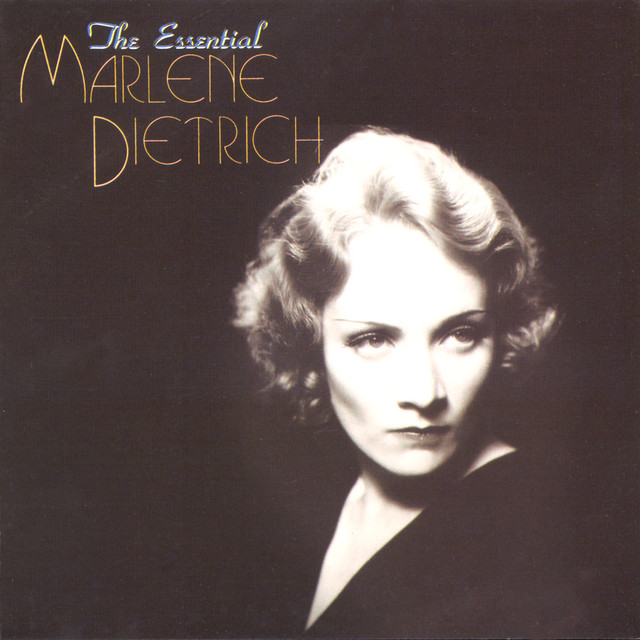
In the English- and American-speaking world, cabaret matured into a genre of live performance that thrives in clubs, theaters, and intimate stages. The Broadway-meets-Brecht lineage found full expression in the American musical Cabaret (1966), with music by Kander and lyrics by Ebb, which popularized a set of cabaret sensibilities for a broad audience. The show’s 1966 Broadway run, and the enduring 1972 film adaptation, helped frame cabaret as a sophisticated, adult form of entertainment that can be both provocative and deeply human. Since then, performers such as Liza Minnelli, Marlene Dietrich, Edith Piaf, Jacques Brel, and Charles Aznavour have served as ambassadors—each bringing their own style to the cabaret stage, from smoky Parisian rooms to glittering international venues. Modern interpreters, like Ute Lemper, continue the tradition by revisiting Brecht/Weill and other masters, while new generations bring contemporary storytelling, genre blends, and shifting political lenses to the format.
Geographically, cabaret has strongest echoes in Germany, France, and neighboring Central European cultures, with a deep historical presence in Austria and Belgium. It remains vibrant in the United States, the United Kingdom, and other parts of Europe, as well as in Australia and beyond, wherever audiences crave intimate, literate performances that pair song with social observation. For music enthusiasts, the genre offers a throughline from the bohemian cafés of Montmartre to the cabaret halls of Berlin and the Broadway stages of New York—an arc of performance that celebrates the power of a single voice, a sharp lyric, and a room that feels as if it’s listening back.
In the Weimar era of the 1920s, cabaret took on a sharper, more provocative edge. Berlin became a crucible for politically pointed, satirical song and cabaret theater, with composers such as Kurt Weill and writers like Bertolt Brecht creating works that used music as a tool of social critique. Their repertoire—crisp melodies, trenchant lyrics, and a willingness to address power, poverty, and hypocrisy—helped define cabaret as a vehicle for dissent as well as art. The tradition continued to travel, migrating into the concert halls and clubs of other countries while retaining its characteristic blend of storytelling, irony, and theatrical flair.
In the English- and American-speaking world, cabaret matured into a genre of live performance that thrives in clubs, theaters, and intimate stages. The Broadway-meets-Brecht lineage found full expression in the American musical Cabaret (1966), with music by Kander and lyrics by Ebb, which popularized a set of cabaret sensibilities for a broad audience. The show’s 1966 Broadway run, and the enduring 1972 film adaptation, helped frame cabaret as a sophisticated, adult form of entertainment that can be both provocative and deeply human. Since then, performers such as Liza Minnelli, Marlene Dietrich, Edith Piaf, Jacques Brel, and Charles Aznavour have served as ambassadors—each bringing their own style to the cabaret stage, from smoky Parisian rooms to glittering international venues. Modern interpreters, like Ute Lemper, continue the tradition by revisiting Brecht/Weill and other masters, while new generations bring contemporary storytelling, genre blends, and shifting political lenses to the format.
Geographically, cabaret has strongest echoes in Germany, France, and neighboring Central European cultures, with a deep historical presence in Austria and Belgium. It remains vibrant in the United States, the United Kingdom, and other parts of Europe, as well as in Australia and beyond, wherever audiences crave intimate, literate performances that pair song with social observation. For music enthusiasts, the genre offers a throughline from the bohemian cafés of Montmartre to the cabaret halls of Berlin and the Broadway stages of New York—an arc of performance that celebrates the power of a single voice, a sharp lyric, and a room that feels as if it’s listening back.