Genre
frevo
Top Frevo Artists
Showing 18 of 18 artists



About Frevo
Frevo is a brassy, dizzyingly fast Brazilian music and dance from Recife, the capital of Pernambuco. Born in the early 20th century amid Carnival street culture, it fused marching-band rhythms with Afro-Brazilian percussion and European march energy to create a sound both improvisational and exuberant. The name frevo evokes fever or fervor, and the music’s rapid tempo matches the acrobatic umbrella-dance that accompanies it.
Musically, frevo centers on a brass-driven engine—trumpets, trombones, occasionally saxophones—pushing bright, syncopated melodies above a pounding percussion battery (snare, repique, tamborim, surdo). Distinct strands include frevo-de-bloco, performed in street parades; frevo-canção, a more melodic studio variant; and frevo-rasgado, which borrows guitar-like rasgados to mimic the bite of the horns. Tempos are brisk, often well over traditional marches, inviting improvisation, call-and-response, and rapid tempo changes. The umbrella—colorful, folding, and twirling—functions as a vital visual element that helps mark the beat and channel dancers’ energy.
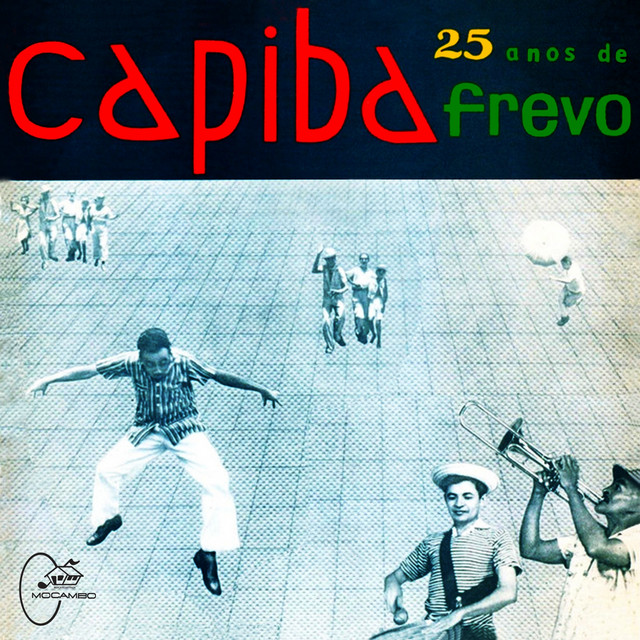
Origins and pioneers: The frevo tradition coagulated in Recife in the first decades of the 20th century, drawing on local parade songs, street bands, and Afro-Brazilian performance forms. Historians frequently cite Silas de Oliveira, one of frevo’s earliest composers, along with Capiba, as pivotal figures who helped shape the genre’s sound and street-performance ethos. From those roots grew orchestras and bloco groups that toured carnival routes, turning frevo into a city-wide cultural signature rather than a seasonal curiosity. The umbrella dance—which uses spiraling, agile movements—has become the visual emblem of frevo.
Ambassadors and influence: Frevo’s cultural weight was recognized globally when UNESCO inscribed it as Intangible Cultural Heritage of Humanity in 2012, sealing its status as a living tradition rather than a relic. In Pernambuco and abroad, frevo continues to evolve through ensembles, dance schools, and street performances. Contemporary performers and groups—both in Brazil and in the Brazilian diaspora—blend frevo with other forms such as jazz and worldbeat while preserving its brisk, contagious vitality. The music travels beyond Brazil’s borders; listeners and dancers in Portugal, the United States, and parts of Europe and Africa have embraced frevo at festivals and carnival events. In Recife, large parades such as the Galo da Madrugada showcase frevo alongside other regional rhythms, underscoring its role in daily life and national pride.
Why it matters to enthusiasts: Frevo sits at the crossroads of urban carnival, brass-band tradition, and the improvisational spirit of dance. It rewards careful listening—brass lines stacked over percussion, with sudden, agile punctuations from the dancer’s umbrella—yet it remains a participatory art form: crowds join, streets become stages, and memory joins the beat. For listeners exploring Brazilian genres, frevo offers a vivid lens on Pernambuco’s culture: a celebration of speed, dexterity, and communal joy that refuses to slow down even as it honors tradition. Scholars and ethnomusicologists study frevo for its polyphonic brass textures and its improvisational language. In recent decades, frevo ensembles have experimented with electronic brass, sampling, and cross-genre collaborations, keeping the tradition vital in a modern urban landscape. The result is a culture that never stops dancing.
Musically, frevo centers on a brass-driven engine—trumpets, trombones, occasionally saxophones—pushing bright, syncopated melodies above a pounding percussion battery (snare, repique, tamborim, surdo). Distinct strands include frevo-de-bloco, performed in street parades; frevo-canção, a more melodic studio variant; and frevo-rasgado, which borrows guitar-like rasgados to mimic the bite of the horns. Tempos are brisk, often well over traditional marches, inviting improvisation, call-and-response, and rapid tempo changes. The umbrella—colorful, folding, and twirling—functions as a vital visual element that helps mark the beat and channel dancers’ energy.
Origins and pioneers: The frevo tradition coagulated in Recife in the first decades of the 20th century, drawing on local parade songs, street bands, and Afro-Brazilian performance forms. Historians frequently cite Silas de Oliveira, one of frevo’s earliest composers, along with Capiba, as pivotal figures who helped shape the genre’s sound and street-performance ethos. From those roots grew orchestras and bloco groups that toured carnival routes, turning frevo into a city-wide cultural signature rather than a seasonal curiosity. The umbrella dance—which uses spiraling, agile movements—has become the visual emblem of frevo.
Ambassadors and influence: Frevo’s cultural weight was recognized globally when UNESCO inscribed it as Intangible Cultural Heritage of Humanity in 2012, sealing its status as a living tradition rather than a relic. In Pernambuco and abroad, frevo continues to evolve through ensembles, dance schools, and street performances. Contemporary performers and groups—both in Brazil and in the Brazilian diaspora—blend frevo with other forms such as jazz and worldbeat while preserving its brisk, contagious vitality. The music travels beyond Brazil’s borders; listeners and dancers in Portugal, the United States, and parts of Europe and Africa have embraced frevo at festivals and carnival events. In Recife, large parades such as the Galo da Madrugada showcase frevo alongside other regional rhythms, underscoring its role in daily life and national pride.
Why it matters to enthusiasts: Frevo sits at the crossroads of urban carnival, brass-band tradition, and the improvisational spirit of dance. It rewards careful listening—brass lines stacked over percussion, with sudden, agile punctuations from the dancer’s umbrella—yet it remains a participatory art form: crowds join, streets become stages, and memory joins the beat. For listeners exploring Brazilian genres, frevo offers a vivid lens on Pernambuco’s culture: a celebration of speed, dexterity, and communal joy that refuses to slow down even as it honors tradition. Scholars and ethnomusicologists study frevo for its polyphonic brass textures and its improvisational language. In recent decades, frevo ensembles have experimented with electronic brass, sampling, and cross-genre collaborations, keeping the tradition vital in a modern urban landscape. The result is a culture that never stops dancing.