Genre
funana
Top Funana Artists
Showing 24 of 24 artists








About Funana
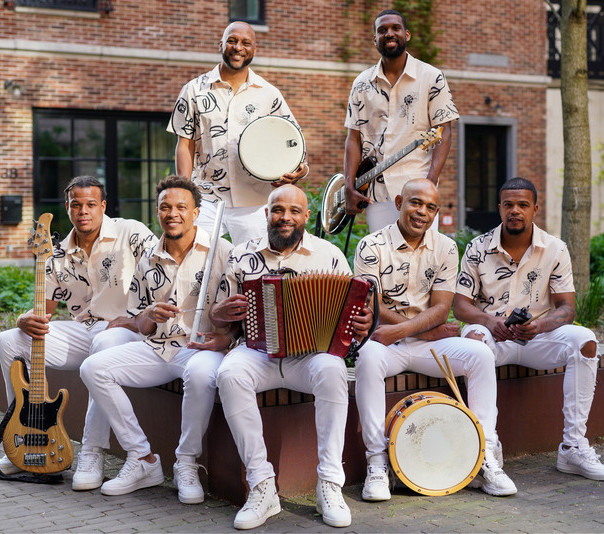
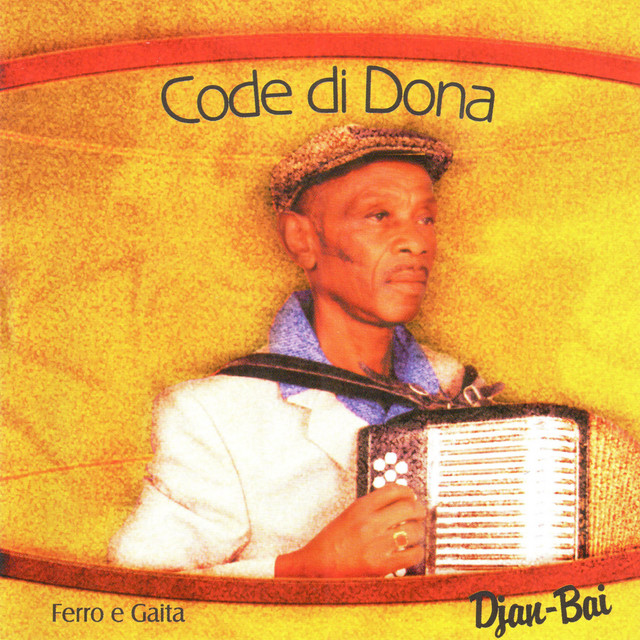
Funaná is Cape Verde’s high-energy, infectious dance music that strikes a direct chord with the feet and the heart. Born in the archipelago’s urban and rural nexuses in the late 19th and early 20th centuries, funaná emerged from the everyday rhythms of Cape Verde’s working people—dockside, market lanes, and neighborhood gatherings. Its sound is instantly recognizable: a sharp, assertive tempo built on a driving 2/4 or 4/4 beat, propelled by two principal instruments—the ferrinho, a metal scraper that provides a bright, percussive texture, and the accordion, whose bright melodies ride on top of the groove. Over the decades, electric guitars, bass, and percussion joined the ensemble, giving funaná a louder, more amplified character while preserving its relentless, danceable pulse.
What makes funaná compelling is its raw immediacy. The vocals frequently ride a call-and-response that invites participation, and the lyrics range from witty, flirtatious storytelling to social commentary and everyday resilience. The dance is boisterous and intimate at once: couples move with quick stamping, brisk footwork, and a playful, almost ritual exchange of steps that matches the music’s kinetic energy. The genre’s repertoire has always celebrated life in all its facets—humor, love, labor, and a touch of social critique—often delivered with a smile or a sly wink.
Historically, funaná faced periods of suppression and marginalization, especially during the mid-20th century when national soundscapes were steered toward other styles. It experienced a revival in the late 20th century, reinvigorated by bands and performers who kept its traditional core while experimenting with modern instrumentation. That revival helped bring funaná back into Cape Verde’s cultural spotlight and then onto the world stage.
In terms of influence and reach, funaná remains most popular in Cape Verde, where it sits alongside morna and coladeira as a pillar of the national sound. Its appeal has spread through the Cape Verdean diaspora, particularly in Portugal, the Netherlands, France, and the United States, where communities keep the tradition alive in clubs, festivals, and intimate venues. The genre’s vitality today comes from a blend of veteran practitioners who preserve its roots and younger artists who fuse funaná with contemporary forms, ensuring its relevance in clubs and festivals around the world.
Key figures who helped shape and promote funaná include Bulimundo, a landmark band credited with reviving the genre in the modern era and bringing its energetics to a wider audience. On the international stage, Cesária Évora—often celebrated as Cape Verde’s most famous ambassador—helped catapult Cape Verdean music, including its funaná roots, onto global stages and recordings. While Évora’s fame spans all Cape Verdean styles, her international visibility shone a light on the country’s diverse musical heritage, including funaná.
For enthusiasts exploring the genre, listen for the crisp ferrinho rhythms paired with bright accordion lines, the robust vocal delivery, and the collaborative, communal feel that makes funaná a music of the people. It’s a genre that invites dancing, storytelling, and a shared sense of celebration—an enduring heartbeat of Cape Verde’s soundscape.
What makes funaná compelling is its raw immediacy. The vocals frequently ride a call-and-response that invites participation, and the lyrics range from witty, flirtatious storytelling to social commentary and everyday resilience. The dance is boisterous and intimate at once: couples move with quick stamping, brisk footwork, and a playful, almost ritual exchange of steps that matches the music’s kinetic energy. The genre’s repertoire has always celebrated life in all its facets—humor, love, labor, and a touch of social critique—often delivered with a smile or a sly wink.
Historically, funaná faced periods of suppression and marginalization, especially during the mid-20th century when national soundscapes were steered toward other styles. It experienced a revival in the late 20th century, reinvigorated by bands and performers who kept its traditional core while experimenting with modern instrumentation. That revival helped bring funaná back into Cape Verde’s cultural spotlight and then onto the world stage.
In terms of influence and reach, funaná remains most popular in Cape Verde, where it sits alongside morna and coladeira as a pillar of the national sound. Its appeal has spread through the Cape Verdean diaspora, particularly in Portugal, the Netherlands, France, and the United States, where communities keep the tradition alive in clubs, festivals, and intimate venues. The genre’s vitality today comes from a blend of veteran practitioners who preserve its roots and younger artists who fuse funaná with contemporary forms, ensuring its relevance in clubs and festivals around the world.
Key figures who helped shape and promote funaná include Bulimundo, a landmark band credited with reviving the genre in the modern era and bringing its energetics to a wider audience. On the international stage, Cesária Évora—often celebrated as Cape Verde’s most famous ambassador—helped catapult Cape Verdean music, including its funaná roots, onto global stages and recordings. While Évora’s fame spans all Cape Verdean styles, her international visibility shone a light on the country’s diverse musical heritage, including funaná.
For enthusiasts exploring the genre, listen for the crisp ferrinho rhythms paired with bright accordion lines, the robust vocal delivery, and the collaborative, communal feel that makes funaná a music of the people. It’s a genre that invites dancing, storytelling, and a shared sense of celebration—an enduring heartbeat of Cape Verde’s soundscape.