Genre
funk rock
Top Funk rock Artists
Showing 25 of 540 artists







About Funk rock
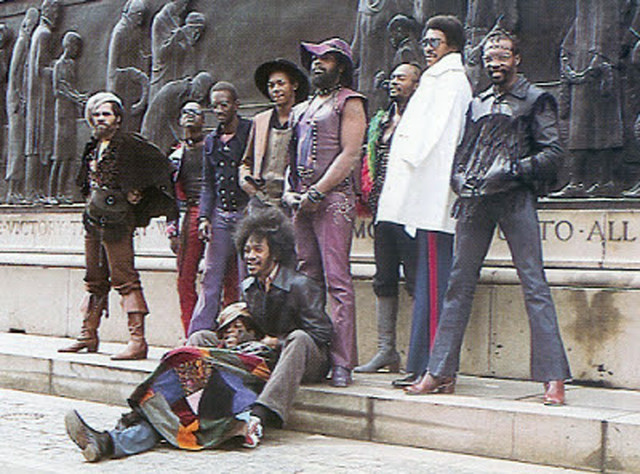
Funk rock is a high-octane fusion of funk’s infectious grooves with rock’s power chords and live-energy propulsion. It emphasizes rhythm—groove-driven basslines, tight drum patterns, and guitar hooks that snap rather than drift. The genre as a distinct thread emerged as funk’s danceable, swaggering feel collided with rock’s louder, more guitar-forward aesthetic in the late 1960s and early 1970s. Its roots lie in the funk revolution of artists like James Brown and Sly and the Family Stone, but it gained its rock-facing edge through bands that widened the sonic palette and toured with rock audiences. Jimi Hendrix in the late 1960s already fused blistering guitar work with funk-derived rhythms, and across the 1970s Parliament-Funkadelic and other funk ensembles injected heavy swagger, effect pedals, and complex rhythms into rock-adjacent settings, setting the blueprint for what would be called funk rock.
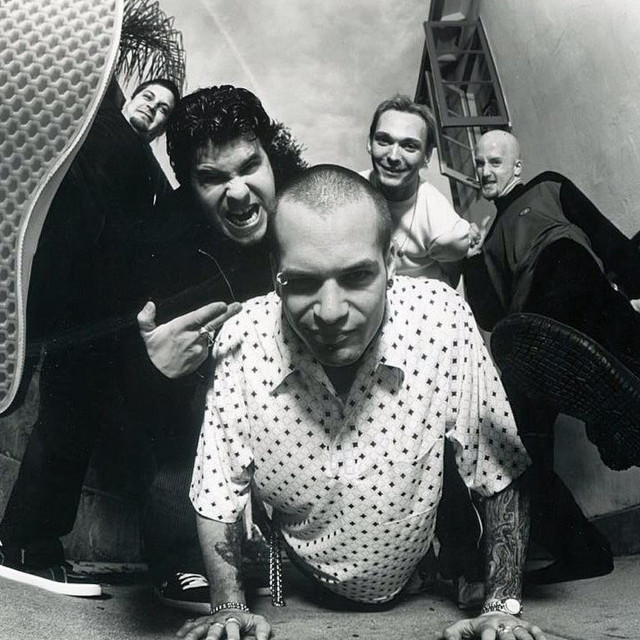
In the mainstream, the 1980s and 1990s produced a wave of acts that defined and popularized the sound. The Red Hot Chili Peppers became the archetypal modern funk-rock band, marrying punk energy, hip-hop phrasing, and precise funk bass on Freaky Styley and Blood Sugar Sex Magik. Primus brought theatrical, bass-driven oddness with tracks like Tommy the Cat, while Faith No More fused metal, rap, and funk-tight arrangements. Rage Against the Machine transformed funk rock into a political roar, pairing rugged grooves with scorching guitars. In the late '90s and early 2000s bands like Incubus continued to push the blend into more experimental directions.
Ambassadors of funk rock include not only the later chart-toppers but also the groovemakers who laid the groundwork: James Brown’s funk rhythm, Sly and the Family Stone’s kaleidoscopic approach, and Parliament-Funkadelic’s space-funk persona, all of whom influenced countless rock players through groove-oriented basslines, brass motifs, and melodic hooks. Bootsy Collins and other P-Funk alumni continued to inspire guitarists and bassists to chase pocket and feverish, syncopated energy. The vibe remains a balance of swaggering basslines, crisp drumming, and guitar that can swing from chanky wah-wah to aggressive riffing.
Geographically, funk rock is most deeply rooted in the United States—especially California’s vibrant rock and funk scenes of Los Angeles and San Francisco—but it has found receptive audiences across Europe, the United Kingdom, Canada, and Japan. Brazil’s festival circuits and European clubs have also sustained the groove-driven approach. Today, the genre thrives as a mutable crossbreed: a foundation for nu-metal, alternative rock, and modern funk acts, and a reminder that the best rock can sound like a dance floor when the rhythm locks in.
To approach the sound, try a curated listening ladder: Hendrix’s Band of Gypsys and Sly and the Family Stone’s late-60s grooves show funk-rock at its core; Parliament-Funkadelic offers the grand, spacey side; the ’80s–’90s markers include Red Hot Chili Peppers, Faith No More, Primus, and Rage Against the Machine; Incubus and Jane’s Addiction mix different textures with the groove. New acts keep the groove flexible and adventurous. For enthusiasts, funk rock remains a living bridge between funk's groove and rock's adrenaline, inviting fresh experiments.
In the mainstream, the 1980s and 1990s produced a wave of acts that defined and popularized the sound. The Red Hot Chili Peppers became the archetypal modern funk-rock band, marrying punk energy, hip-hop phrasing, and precise funk bass on Freaky Styley and Blood Sugar Sex Magik. Primus brought theatrical, bass-driven oddness with tracks like Tommy the Cat, while Faith No More fused metal, rap, and funk-tight arrangements. Rage Against the Machine transformed funk rock into a political roar, pairing rugged grooves with scorching guitars. In the late '90s and early 2000s bands like Incubus continued to push the blend into more experimental directions.
Ambassadors of funk rock include not only the later chart-toppers but also the groovemakers who laid the groundwork: James Brown’s funk rhythm, Sly and the Family Stone’s kaleidoscopic approach, and Parliament-Funkadelic’s space-funk persona, all of whom influenced countless rock players through groove-oriented basslines, brass motifs, and melodic hooks. Bootsy Collins and other P-Funk alumni continued to inspire guitarists and bassists to chase pocket and feverish, syncopated energy. The vibe remains a balance of swaggering basslines, crisp drumming, and guitar that can swing from chanky wah-wah to aggressive riffing.
Geographically, funk rock is most deeply rooted in the United States—especially California’s vibrant rock and funk scenes of Los Angeles and San Francisco—but it has found receptive audiences across Europe, the United Kingdom, Canada, and Japan. Brazil’s festival circuits and European clubs have also sustained the groove-driven approach. Today, the genre thrives as a mutable crossbreed: a foundation for nu-metal, alternative rock, and modern funk acts, and a reminder that the best rock can sound like a dance floor when the rhythm locks in.
To approach the sound, try a curated listening ladder: Hendrix’s Band of Gypsys and Sly and the Family Stone’s late-60s grooves show funk-rock at its core; Parliament-Funkadelic offers the grand, spacey side; the ’80s–’90s markers include Red Hot Chili Peppers, Faith No More, Primus, and Rage Against the Machine; Incubus and Jane’s Addiction mix different textures with the groove. New acts keep the groove flexible and adventurous. For enthusiasts, funk rock remains a living bridge between funk's groove and rock's adrenaline, inviting fresh experiments.