Genre
gabonese pop
Top Gabonese pop Artists
Showing 18 of 18 artists








About Gabonese pop
Gabonese pop, or pop gabonais, is a vibrant strand of Central African popular music crafted in Gabon’s urban studios and dance halls. It is not merely a exportable sound but a living evolution of Gabon’s cultural conversation, where traditional rhythms, local languages, and Western pop textures meet. The genre’s character lies in its melodic immediacy, party-friendly grooves, and a willingness to absorb foreign influences while preserving a distinct Gabonese identity.
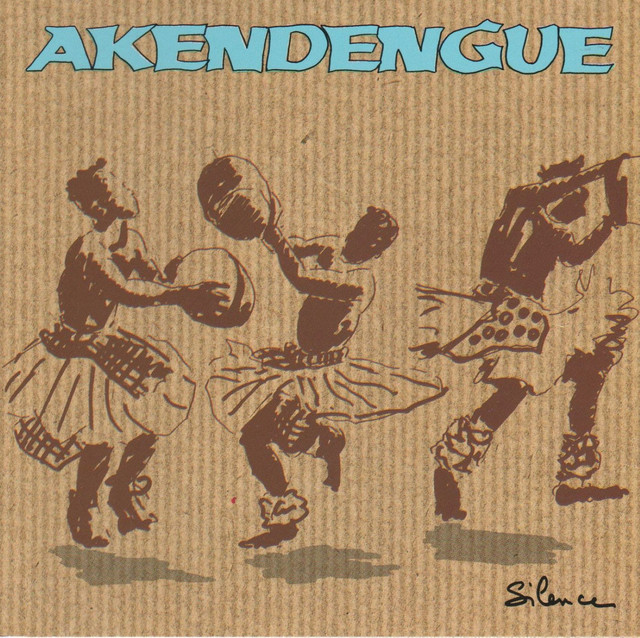
The roots of Gabonese pop are debated among historians, but most agree it took shape in the late 1960s and 1970s, a period of rapid radio expansion, state sponsorship of culture, and cross-border exchanges across Francophone Africa. Libreville and Port-Gentil became incubators for new sounds that borrowed from Afro-Cuban rhythms, highlife, makossa-adjacent bass lines, and folk-inflected guitar work. Key figures emerged as both composers and ambassadors: Patience Dabany, a pioneering Gabonese singer whose popularity helped normalize a national pop sound on the continent; and Pierre Akendengue, a guitarist-composer whose work fused traditional Gabonese elements with folk, rock, and world-music sensibilities. These artists did more than release songs; they helped define a Gabonese musical vocabulary that could ride radio waves, dance floors, and international festivals.
In sound, Gabonese pop tends to lean on clean melodies, strong choruses, and a rhythmic pulse that makes it club- and radio-friendly. You’ll hear French lyrics frequently, sometimes interwoven with local tongues such as Fang or Myène, giving songs a bilingual or multilingual texture that broadens their appeal across Francophone Africa. Instrumentation often blends electric guitars and keyboards with percussion ensembles and djembe-like drums, yielding tracks that feel both contemporary and rooted in Gabon’s percussion traditions. The result is music that can swing from intimate ballads to bright, dancefloor-ready tunes in the blink of an eye.
The genre has continued to evolve through the 1980s, 1990s, and into the streaming era. Modern Gabonese pop frequently incorporates electronic production, neon-pop hooks, and collaborations with artists from neighboring countries and the broader Francophone world. The contemporary scene also reflects Gabon’s diaspora: artists who travel to France or other European hubs bring back new production techniques and cross-cultural collaborations, enriching the local sound and pushing it outward.
Ambassadors of Gabonese pop have quietly expanded its footprint beyond Gabon’s borders. In addition to the foundational work of Patience Dabany and Pierre Akendengue, the genre has inspired a generation of younger artists who cultivate a Gabon-informed pop aesthetic—music that travels, yet remains unmistakably Gabonese in its feel and approach. Beyond national borders, Gabonese pop resonates with Francophone audiences in West and Central Africa, and in Gabonese communities in France, Belgium, and other parts of Europe where streaming and live tours have introduced the sound to new listeners.
For enthusiasts, the genre offers a doorway into a country’s modern culture and its conversation with Africa’s broader pop world. It’s a music that invites you to dance, sing along in French and local languages, and trace the threads that connect Gabon’s rhythms to the wider currents of African pop. Listening suggestions: seek early Patience Dabany and Pierre Akendengue recordings to hear the mature roots, then explore contemporary Gabonese pop for the next wave of ambassadors and innovations.
The roots of Gabonese pop are debated among historians, but most agree it took shape in the late 1960s and 1970s, a period of rapid radio expansion, state sponsorship of culture, and cross-border exchanges across Francophone Africa. Libreville and Port-Gentil became incubators for new sounds that borrowed from Afro-Cuban rhythms, highlife, makossa-adjacent bass lines, and folk-inflected guitar work. Key figures emerged as both composers and ambassadors: Patience Dabany, a pioneering Gabonese singer whose popularity helped normalize a national pop sound on the continent; and Pierre Akendengue, a guitarist-composer whose work fused traditional Gabonese elements with folk, rock, and world-music sensibilities. These artists did more than release songs; they helped define a Gabonese musical vocabulary that could ride radio waves, dance floors, and international festivals.
In sound, Gabonese pop tends to lean on clean melodies, strong choruses, and a rhythmic pulse that makes it club- and radio-friendly. You’ll hear French lyrics frequently, sometimes interwoven with local tongues such as Fang or Myène, giving songs a bilingual or multilingual texture that broadens their appeal across Francophone Africa. Instrumentation often blends electric guitars and keyboards with percussion ensembles and djembe-like drums, yielding tracks that feel both contemporary and rooted in Gabon’s percussion traditions. The result is music that can swing from intimate ballads to bright, dancefloor-ready tunes in the blink of an eye.
The genre has continued to evolve through the 1980s, 1990s, and into the streaming era. Modern Gabonese pop frequently incorporates electronic production, neon-pop hooks, and collaborations with artists from neighboring countries and the broader Francophone world. The contemporary scene also reflects Gabon’s diaspora: artists who travel to France or other European hubs bring back new production techniques and cross-cultural collaborations, enriching the local sound and pushing it outward.
Ambassadors of Gabonese pop have quietly expanded its footprint beyond Gabon’s borders. In addition to the foundational work of Patience Dabany and Pierre Akendengue, the genre has inspired a generation of younger artists who cultivate a Gabon-informed pop aesthetic—music that travels, yet remains unmistakably Gabonese in its feel and approach. Beyond national borders, Gabonese pop resonates with Francophone audiences in West and Central Africa, and in Gabonese communities in France, Belgium, and other parts of Europe where streaming and live tours have introduced the sound to new listeners.
For enthusiasts, the genre offers a doorway into a country’s modern culture and its conversation with Africa’s broader pop world. It’s a music that invites you to dance, sing along in French and local languages, and trace the threads that connect Gabon’s rhythms to the wider currents of African pop. Listening suggestions: seek early Patience Dabany and Pierre Akendengue recordings to hear the mature roots, then explore contemporary Gabonese pop for the next wave of ambassadors and innovations.