Genre
emo
Top Emo Artists
Showing 25 of 405 artists

About Emo
Emo is a music genre known for turning raw feeling into melodic intensity. It originated in the mid-1980s within the Washington, D.C. hardcore punk scene, where bands began to fuse the aggressive energy of hardcore with more personal, confessional lyrics and tunings that allowed for greater dynamic contrast. The term “emocore” or “emo” grew from the scene’s own self-labeling and press shorthand, signaling a deliberate shift from pure aggression toward emotional articulation.
The earliest wave centers on the so‑called first emo bands of DC, especially Rites of Spring (1985) and its offshoots like Embrace. These acts showed that hardcore’s speed and precision could coexist with introspective, even anguished, lyric content. This foundational moment set a template: songs built around emotional honesty, often to the point of vulnerability, delivered with fervent, sometimes melodic guitar work and pointed, narrative lyrics.
In the 1990s emo splintered into a broader family. The Midwest and West Coast scenes produced a more melodic, indie-leaning strain sometimes called “second-wave emo” or “emo indie.” Bands such as Sunny Day Real Estate, Jawbreaker, Cap’n Jazz, and The Promise Ring helped redefine the sound—more emphasis on melody, strummed guitars, and longer, more contemplative structures while maintaining hardcore’s emotional intensity. This era also saw the emergence of emotionally expressive vocal styles and lyrics that read like diary entries, from heartbreak to existential doubt.
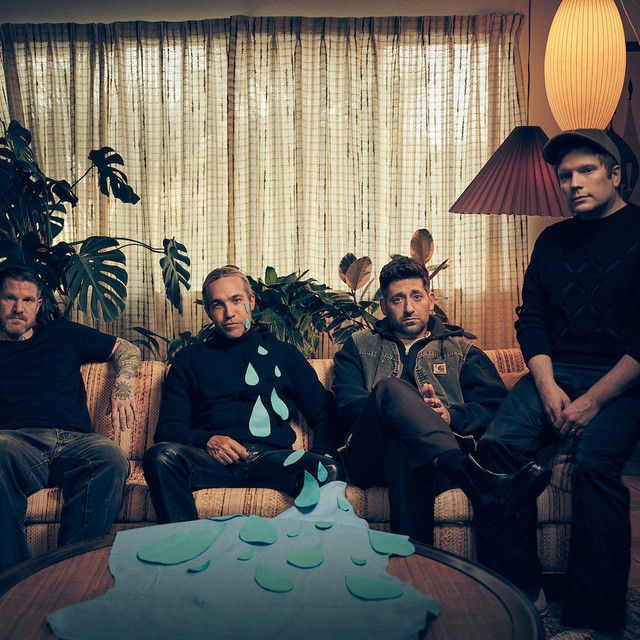
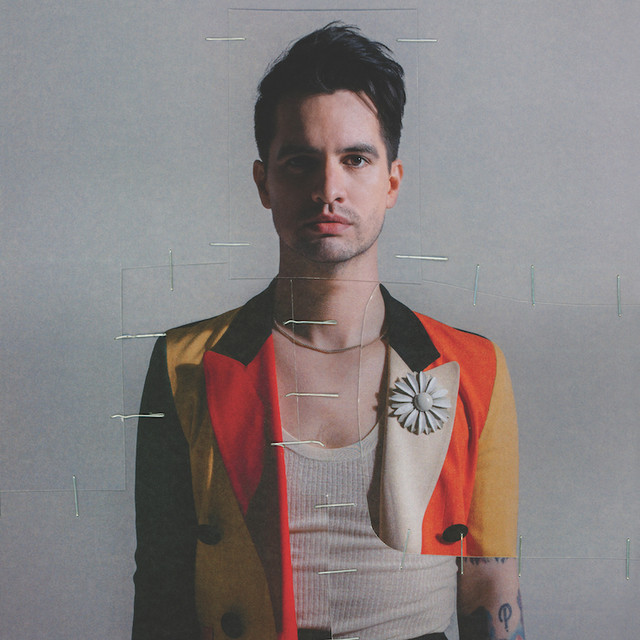
The 2000s brought emo into the mainstream through a wave popularly labeled “emo-pop” or “mainstream emo.” The sound diversified again: tighter, radio-friendly hooks, polished production, and autobiographical lyrics that still carried the emotional charge. Ambassadors of this period include Dashboard Confessional, whose intimate, often acoustic-leaning songs brought personal confession to the forefront; Jimmy Eat World, with the resonant anthems of Bleed American; and bands like Taking Back Sunday, Brand New, Fall Out Boy, Panic! at the Disco, and My Chemical Romance, who fused punk energy with theatrical, hook-driven choruses. These acts helped normalize emo as a broad, emotionally honest language that could coexist with pop, indie, and alternative rock.
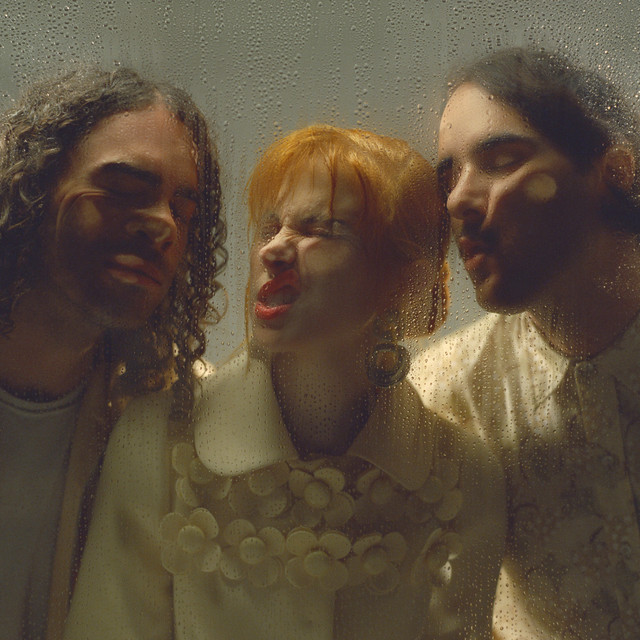
Key artists and ambassadors across eras include the original founders Rites of Spring and Embrace, the indie-emo pioneers Sunny Day Real Estate and Jawbreaker, and later torchbearers Dashboard Confessional, Jimmy Eat World, Brand New, My Chemical Romance, Fall Out Boy, Panic! at the Disco, and Paramore. Each helped expand the genre’s vocabulary—from austere, confessional ballads to sweeping, stadium-friendly anthems—without losing the core commitment to emotional intensity.
Geographically, emo has been most robust in the United States and the United Kingdom, where its scenes first crystallized and thrived. It has since spread to Canada, continental Europe, Australia, and parts of Asia and Latin America, developing regional flavors and subgenres (post-hardcore, screamo, emo-pop, indie emo, etc.). In all regions, the genre remains a listening language for listeners who crave honesty, vulnerability, and music that can swing from a whisper to a roar in a single bar.
The earliest wave centers on the so‑called first emo bands of DC, especially Rites of Spring (1985) and its offshoots like Embrace. These acts showed that hardcore’s speed and precision could coexist with introspective, even anguished, lyric content. This foundational moment set a template: songs built around emotional honesty, often to the point of vulnerability, delivered with fervent, sometimes melodic guitar work and pointed, narrative lyrics.
In the 1990s emo splintered into a broader family. The Midwest and West Coast scenes produced a more melodic, indie-leaning strain sometimes called “second-wave emo” or “emo indie.” Bands such as Sunny Day Real Estate, Jawbreaker, Cap’n Jazz, and The Promise Ring helped redefine the sound—more emphasis on melody, strummed guitars, and longer, more contemplative structures while maintaining hardcore’s emotional intensity. This era also saw the emergence of emotionally expressive vocal styles and lyrics that read like diary entries, from heartbreak to existential doubt.
The 2000s brought emo into the mainstream through a wave popularly labeled “emo-pop” or “mainstream emo.” The sound diversified again: tighter, radio-friendly hooks, polished production, and autobiographical lyrics that still carried the emotional charge. Ambassadors of this period include Dashboard Confessional, whose intimate, often acoustic-leaning songs brought personal confession to the forefront; Jimmy Eat World, with the resonant anthems of Bleed American; and bands like Taking Back Sunday, Brand New, Fall Out Boy, Panic! at the Disco, and My Chemical Romance, who fused punk energy with theatrical, hook-driven choruses. These acts helped normalize emo as a broad, emotionally honest language that could coexist with pop, indie, and alternative rock.
Key artists and ambassadors across eras include the original founders Rites of Spring and Embrace, the indie-emo pioneers Sunny Day Real Estate and Jawbreaker, and later torchbearers Dashboard Confessional, Jimmy Eat World, Brand New, My Chemical Romance, Fall Out Boy, Panic! at the Disco, and Paramore. Each helped expand the genre’s vocabulary—from austere, confessional ballads to sweeping, stadium-friendly anthems—without losing the core commitment to emotional intensity.
Geographically, emo has been most robust in the United States and the United Kingdom, where its scenes first crystallized and thrived. It has since spread to Canada, continental Europe, Australia, and parts of Asia and Latin America, developing regional flavors and subgenres (post-hardcore, screamo, emo-pop, indie emo, etc.). In all regions, the genre remains a listening language for listeners who crave honesty, vulnerability, and music that can swing from a whisper to a roar in a single bar.