Genre
german country
Top German country Artists
Showing 20 of 20 artists








About German country
German country is a niche but persistent thread in the European roots scene, weaving the storytelling cadence of American country with the linguistic texture of German songwriting. It sits between folk, Schlager, and alt-country, offering songs that can be intimate ballads or brisk, twang‑driven anthems. For music enthusiasts, it’s less about copying Nashville and more about a cultural conversation: German lyricists reframe Western imagery, rodeo romance, and road‑worn heroes through a distinctly German sensibility.
Origins: The scene began taking shape in the late 20th century as German audiences encountered American country but increasingly wanted material in their own language. Artists blended folk traditions, the storytelling instinct of country, and the melodic clarity of German songcraft, while embracing the guitar, pedal steel, and fiddle that define the sound. Regions with strong rural and folk traditions provided early audiences, and clubs and local festivals helped nurture original material alongside translations of English classics. Over time, German country developed its own idioms and humor while maintaining a dialogue with its American roots.
Sound and themes: The spectrum ranges from pedal‑steel‑laden ballads to upbeat, dance‑ready barn‑stormers. Strings such as fiddle and banjo mingle with rock‑flavored guitars, while the rhythm can swing from laid‑back to brisk. Lyrically, songs often trade in road life, love storms, and landscapes, sometimes with wry humor or stoic frontier imagery. Some acts perform entirely in German; others bilingualize, using English phrases to evoke authenticity or to reach broader audiences. The result is a genre that honors tradition without becoming nostalgic, inviting both nostalgia and new listening routes.
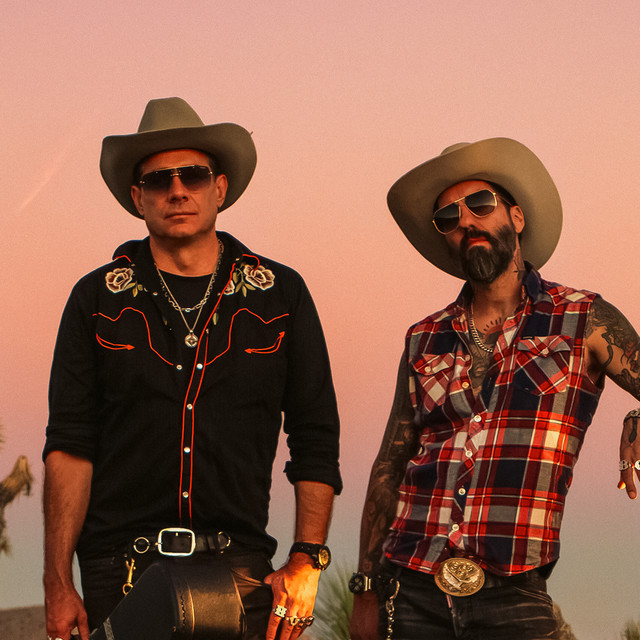
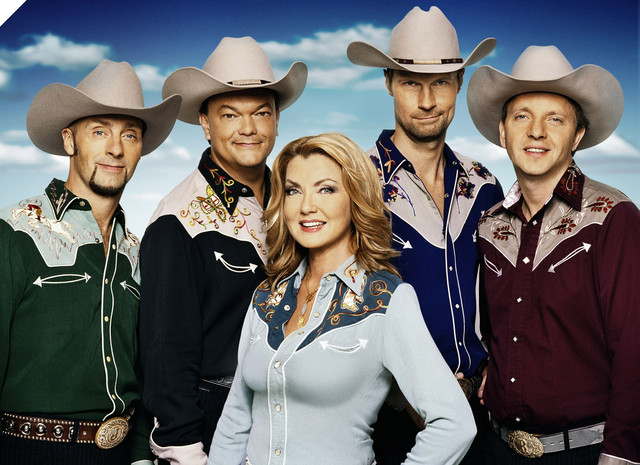
Key artists and ambassadors: Truck Stop is among the scene’s enduring pioneers, turning German‑language storytelling into a touring staple across clubs and regional festivals from the 1980s onward. The BossHoss, formed in the 2000s, became one of the genre’s most visible ambassadors by blending country aesthetics with pop and rock energy, bringing German‑language or bilingual country‑leaning songs to larger stages. Other important voices include German‑language songwriters who built careers on Western imagery, humor, and everyday life, helping keep the tradition relevant for new generations. The scene remains collaborative and porous, with artists ranging from intimate‑venue performers to festival headliners.
Where it’s popular: In the DACH region (Germany, Austria, Switzerland) German language country finds its core audience, supported by a network of clubs, festivals, and radio programs. It also attracts Americana‑ and folk‑mcentred listeners across Europe and diaspora communities in the Netherlands and Scandinavia. Online streaming and niche radio have broadened its reach, while festivals and dedicated playlists sustain a steady pipeline of new material. The genre thrives on a sense of community among fans who value storytelling, regional color, and the cross‑cultural dialogue that German country embodies.
If you’re exploring for the first time, start with a classic ballad to feel the language’s rhythm, then move to a newer, swaggering track to hear how German country absorbs modern production without losing its roots. You’ll hear a genre that’s quietly proud of its German identity while staying true to the broader spirit of country music.
Origins: The scene began taking shape in the late 20th century as German audiences encountered American country but increasingly wanted material in their own language. Artists blended folk traditions, the storytelling instinct of country, and the melodic clarity of German songcraft, while embracing the guitar, pedal steel, and fiddle that define the sound. Regions with strong rural and folk traditions provided early audiences, and clubs and local festivals helped nurture original material alongside translations of English classics. Over time, German country developed its own idioms and humor while maintaining a dialogue with its American roots.
Sound and themes: The spectrum ranges from pedal‑steel‑laden ballads to upbeat, dance‑ready barn‑stormers. Strings such as fiddle and banjo mingle with rock‑flavored guitars, while the rhythm can swing from laid‑back to brisk. Lyrically, songs often trade in road life, love storms, and landscapes, sometimes with wry humor or stoic frontier imagery. Some acts perform entirely in German; others bilingualize, using English phrases to evoke authenticity or to reach broader audiences. The result is a genre that honors tradition without becoming nostalgic, inviting both nostalgia and new listening routes.
Key artists and ambassadors: Truck Stop is among the scene’s enduring pioneers, turning German‑language storytelling into a touring staple across clubs and regional festivals from the 1980s onward. The BossHoss, formed in the 2000s, became one of the genre’s most visible ambassadors by blending country aesthetics with pop and rock energy, bringing German‑language or bilingual country‑leaning songs to larger stages. Other important voices include German‑language songwriters who built careers on Western imagery, humor, and everyday life, helping keep the tradition relevant for new generations. The scene remains collaborative and porous, with artists ranging from intimate‑venue performers to festival headliners.
Where it’s popular: In the DACH region (Germany, Austria, Switzerland) German language country finds its core audience, supported by a network of clubs, festivals, and radio programs. It also attracts Americana‑ and folk‑mcentred listeners across Europe and diaspora communities in the Netherlands and Scandinavia. Online streaming and niche radio have broadened its reach, while festivals and dedicated playlists sustain a steady pipeline of new material. The genre thrives on a sense of community among fans who value storytelling, regional color, and the cross‑cultural dialogue that German country embodies.
If you’re exploring for the first time, start with a classic ballad to feel the language’s rhythm, then move to a newer, swaggering track to hear how German country absorbs modern production without losing its roots. You’ll hear a genre that’s quietly proud of its German identity while staying true to the broader spirit of country music.