Genre
garage rock
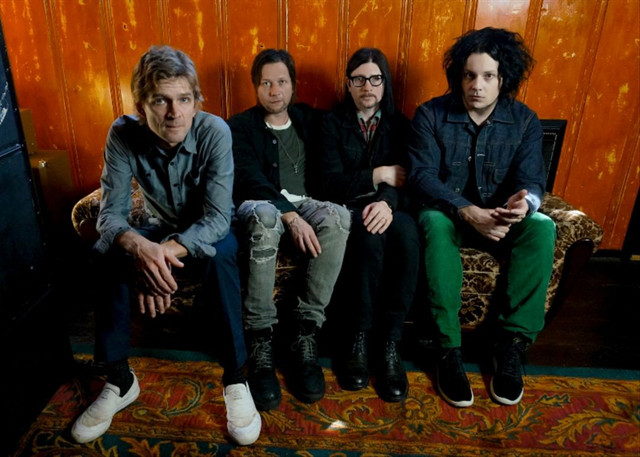
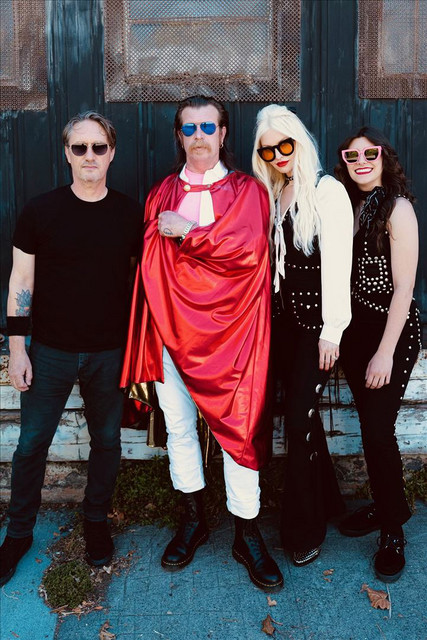
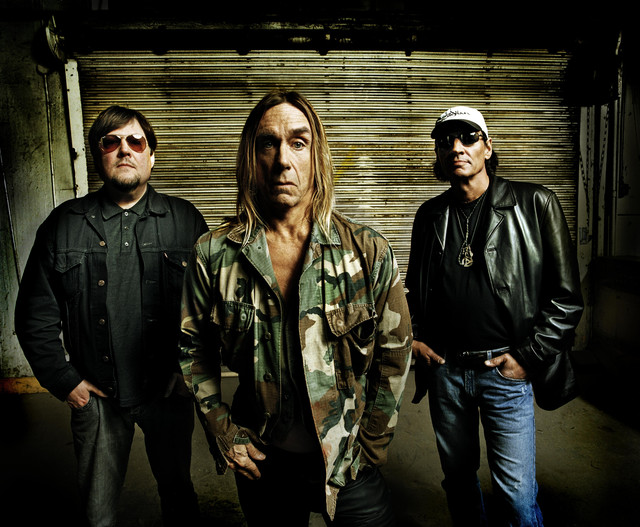
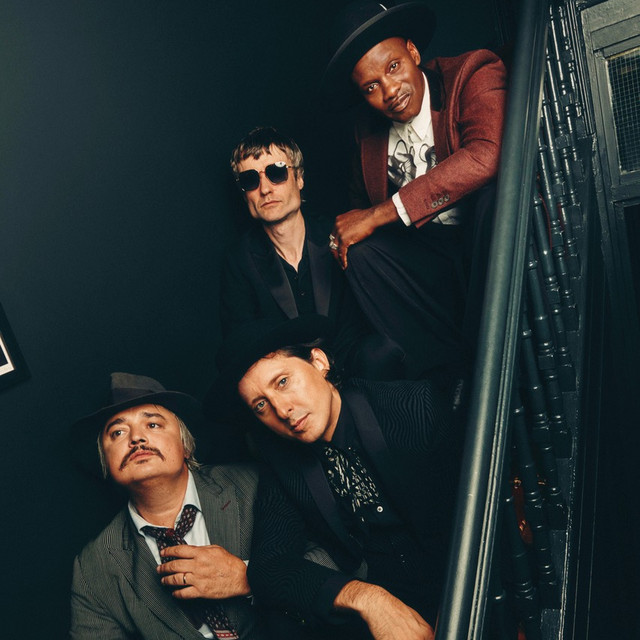
Top Garage rock Artists
Showing 25 of 2,980 artists







About Garage rock
Garage rock is a raw, high-energy strand of rock and roll that emerged in the United States in the mid-1960s, born from the DIY rush of suburban bands who rehearsed in garages, basements, or garages-turned-studio spaces and chased immediate, unpolished takes. It grew out of a confluence of early rock and roll, rhythm and blues, surf-rock swagger, and a punk-like ethos of “do it yourself.” The scene coalesced around short, brisk tunes, fuzzy guitars, simple three-chord progressions, shouted vocals, and a remarkably live, sometimes anxious, sound that prized energy over precision. The term garage rock was popularized by critics and listeners who noticed that the music tended to sound like it emerged from a garage rather than a polished studio.
Characteristic features define the genre: motor-rhythm grooves, raw guitar tones achieved with fuzz or distortion, lean arrangements, and songs often under the two-minute mark. Production is deliberately lo-fi, with a live-to-tape immediacy that preserves the raspy edge of the performance. Lyrically, the songs range from rebellious, attitude-heavy motifs to storytelling fragments—always urgent, direct, and hook-driven. Garage rock sits in the lineage between early rock ’n’ roll and the proto-punk surge that would follow, and it laid groundwork for the DIY aesthetic that would resurface in indie and punk decades later.
Historically, the movement’s classic period runs roughly 1964–1966, with regional hotbeds in the American Midwest and West Coast, and a few precursors elsewhere. Notable early acts include The Kingsmen, whose cover of Louie Louie (1963) became a garage-rock touchstone; The Sonics from Tacoma, Washington, whose loud, violent “Psycho” (1965) and “The Witch” epitomize the vicious gusto of the sound; The Seeds (Los Angeles) with “Pushin’ Too Hard” (1965); The Standells (“Dirty Water,” 1966); The Count Five (“Psychotic Reaction,” 1966); and The Music Machine (“Talk Talk,” 1966). Detroit, Chicago, and California studios and rehearsal rooms became crucibles for this aesthetic, often blending raw energy with a swaggering sense of rebellion.
Beyond the U.S., garage rock found pockets of popularity in Canada, the United Kingdom, and parts of Europe, especially as the 1960s wore on and bands borrowed and collided with British Invasion influences. In the early 2000s, the genre experienced a vibrant revival—often called the garage-rock revival—spreading from the United States to the rest of the world. Ambassadors of this revival include The White Stripes (Detroit), The Black Keys (Akron, Ohio), The Strokes (New York), The Hives (Sweden), The Vines (Australia), and a broad wave of bands that revived the stripped-down, riff-driven approach for a global audience. Their success helped reintroduce the classic attitude and machinery of garage rock to new ears while linking it to contemporary indie and post-punk sounds.
For enthusiasts, garage rock offers a template for immediacy and grit: a culture of raw performance, memorable riffs, and a spirit of youthful experimentation. Essential listening ranges from The Sonics’ ferocity to The Seeds’ garage-pop hooks, with the revivalists reminding us that the garage spirit remains alive whenever a band plugs in and goes for broke.
Characteristic features define the genre: motor-rhythm grooves, raw guitar tones achieved with fuzz or distortion, lean arrangements, and songs often under the two-minute mark. Production is deliberately lo-fi, with a live-to-tape immediacy that preserves the raspy edge of the performance. Lyrically, the songs range from rebellious, attitude-heavy motifs to storytelling fragments—always urgent, direct, and hook-driven. Garage rock sits in the lineage between early rock ’n’ roll and the proto-punk surge that would follow, and it laid groundwork for the DIY aesthetic that would resurface in indie and punk decades later.
Historically, the movement’s classic period runs roughly 1964–1966, with regional hotbeds in the American Midwest and West Coast, and a few precursors elsewhere. Notable early acts include The Kingsmen, whose cover of Louie Louie (1963) became a garage-rock touchstone; The Sonics from Tacoma, Washington, whose loud, violent “Psycho” (1965) and “The Witch” epitomize the vicious gusto of the sound; The Seeds (Los Angeles) with “Pushin’ Too Hard” (1965); The Standells (“Dirty Water,” 1966); The Count Five (“Psychotic Reaction,” 1966); and The Music Machine (“Talk Talk,” 1966). Detroit, Chicago, and California studios and rehearsal rooms became crucibles for this aesthetic, often blending raw energy with a swaggering sense of rebellion.
Beyond the U.S., garage rock found pockets of popularity in Canada, the United Kingdom, and parts of Europe, especially as the 1960s wore on and bands borrowed and collided with British Invasion influences. In the early 2000s, the genre experienced a vibrant revival—often called the garage-rock revival—spreading from the United States to the rest of the world. Ambassadors of this revival include The White Stripes (Detroit), The Black Keys (Akron, Ohio), The Strokes (New York), The Hives (Sweden), The Vines (Australia), and a broad wave of bands that revived the stripped-down, riff-driven approach for a global audience. Their success helped reintroduce the classic attitude and machinery of garage rock to new ears while linking it to contemporary indie and post-punk sounds.
For enthusiasts, garage rock offers a template for immediacy and grit: a culture of raw performance, memorable riffs, and a spirit of youthful experimentation. Essential listening ranges from The Sonics’ ferocity to The Seeds’ garage-pop hooks, with the revivalists reminding us that the garage spirit remains alive whenever a band plugs in and goes for broke.