Genre
gen z singer-songwriter
Top Gen z singer-songwriter Artists
Showing 25 of 92 artists












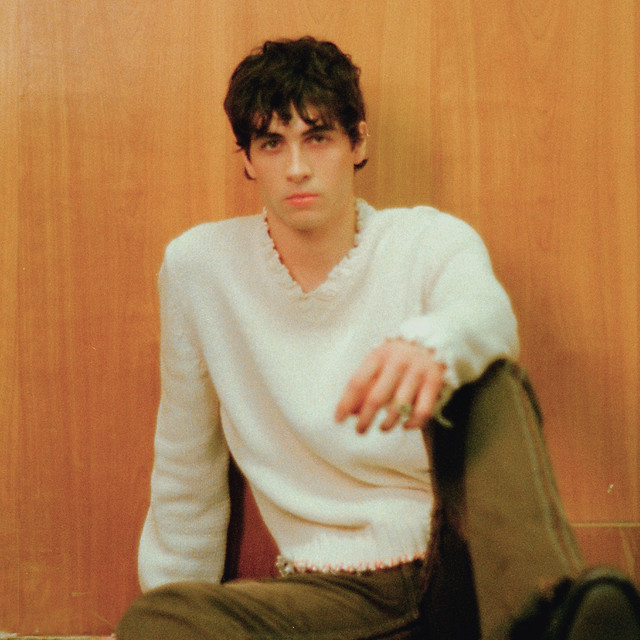
About Gen z singer-songwriter
Gen Z singer-songwriter is a contemporary label for a cohort of young writers-performers who routinely write their own material, perform it solo or with a minimal team, and release it directly to listeners through streaming platforms and social channels. The sound sits at the crossroads of indie folk, bedroom pop, lo-fi R&B, and alternative pop, but its defining trait is intimate, confessional storytelling: songs that feel like diary entries set to a pared-back, often dreamlike bed. The movement foregrounds authenticity, tactile production, and a DIY ethos suited to a generation raised on YouTube, TikTok, and home studios.
The birth of this Gen Z articulation is tied to technology and culture in the late 2010s. As artists discovered direct routes to fans via YouTube, SoundCloud, Bandcamp, and especially TikTok, a new wave of bedroom-recorded music gained momentum. What some called “bedroom pop” became a flexible umbrella: melodic hooks, lo-fi textures, intimate vocal takes, and compact arrangements. The trend solidified around 2018–2021, when several acts achieved breakout visibility without heavy label backing, then crossed over to mainstream charts.
Themes in Gen Z singer-songwriting tend to be intensely personal yet broadly relatable: identity, sexuality, mental health, vulnerability, and the anxieties of growing up in a hyper-connected world. Lyrics are often diaristic and witty, mixing blunt honesty with wordplay. Musically, you’ll hear acoustic guitar or piano, subtle synths, and field-recorded textures, ranging from warm, lo-fi tones to more polished, cinematic washes. The voice remains central—direct, fragile, and unguarded—while production prioritizes clarity and immediacy.
If you’re looking for ambassadors, the field is rich and diverse. Olivia Rodrigo’s 2021 breakthrough with Sour crystallized a new standard for autobiographical storytelling within pop. Billie Eilish has been a trailblazer for minimalist, self-produced sound and stark lyric honesty, shaping a whole generation of aspiring singer-songwriters. Beabadoobee, Clairo, and mxmtoon popularized the bedroom-pop palette in the late 2010s, while Arlo Parks and Gracie Abrams expanded the spectrum with lyric-forward, socially aware narratives. Conan Gray and girl in red added gender and sexuality perspectives to the mix, contributing to a global, internet-fueled movement.
Geographically, the movement is strongest in the United States, United Kingdom, Canada, and Australia, where streaming ecosystems and live circuits have helped launch many acts. Yet its footprint is global: new Gen Z songwriters emerge from many countries, sharing intimate songs that travel across screens as easily as across stages. In short, Gen Z singer-songwriters are less a fixed sound than a cultural current—an era defined by self-made artistry, candid storytelling, and music built for both small rooms and global feeds.
The birth of this Gen Z articulation is tied to technology and culture in the late 2010s. As artists discovered direct routes to fans via YouTube, SoundCloud, Bandcamp, and especially TikTok, a new wave of bedroom-recorded music gained momentum. What some called “bedroom pop” became a flexible umbrella: melodic hooks, lo-fi textures, intimate vocal takes, and compact arrangements. The trend solidified around 2018–2021, when several acts achieved breakout visibility without heavy label backing, then crossed over to mainstream charts.
Themes in Gen Z singer-songwriting tend to be intensely personal yet broadly relatable: identity, sexuality, mental health, vulnerability, and the anxieties of growing up in a hyper-connected world. Lyrics are often diaristic and witty, mixing blunt honesty with wordplay. Musically, you’ll hear acoustic guitar or piano, subtle synths, and field-recorded textures, ranging from warm, lo-fi tones to more polished, cinematic washes. The voice remains central—direct, fragile, and unguarded—while production prioritizes clarity and immediacy.
If you’re looking for ambassadors, the field is rich and diverse. Olivia Rodrigo’s 2021 breakthrough with Sour crystallized a new standard for autobiographical storytelling within pop. Billie Eilish has been a trailblazer for minimalist, self-produced sound and stark lyric honesty, shaping a whole generation of aspiring singer-songwriters. Beabadoobee, Clairo, and mxmtoon popularized the bedroom-pop palette in the late 2010s, while Arlo Parks and Gracie Abrams expanded the spectrum with lyric-forward, socially aware narratives. Conan Gray and girl in red added gender and sexuality perspectives to the mix, contributing to a global, internet-fueled movement.
Geographically, the movement is strongest in the United States, United Kingdom, Canada, and Australia, where streaming ecosystems and live circuits have helped launch many acts. Yet its footprint is global: new Gen Z songwriters emerge from many countries, sharing intimate songs that travel across screens as easily as across stages. In short, Gen Z singer-songwriters are less a fixed sound than a cultural current—an era defined by self-made artistry, candid storytelling, and music built for both small rooms and global feeds.