Genre
georgian folk
Top Georgian folk Artists
Showing 24 of 24 artists







About Georgian folk
Georgian folk music is one of the Caucasus’s most arresting sound worlds: a living, breathing tradition built on intimate village rituals, seasonal cycles, weddings and rites of passage, and a remarkably enduring habit of collective singing. Though rooted in centuries of rural life, it has repeatedly adapted to new audiences, outstandingly gaining international recognition as a living art form. For music enthusiasts, it offers a rare combination of raw vocal power, intricate ensemble balance, and a sense of communal memory that feels almost ancient and urgently contemporary at once.
Birth and lineage
Georgian folk singing emerged from the polyphonic mind of the Georgian-speaking world, where voices weave together into multiple independent lines. UNESCO inscribed this practice on its Representative List of the Intangible Cultural Heritage of Humanity in 2008, highlighting its age, sophistication, and social significance. The tradition grew from pastoral and agrarian communities across the highlands and valleys, where groups gathered to harmonize songs for weddings, harvests, harvest festivals, and religious observances. The core feature is multipart singing—often three or four voices that interlock in harmony and contrast, sometimes anchored by a persistent drone, sometimes soaring in bright, transparent lines.
What makes it distinctive
Georgian polyphony is celebrated for its bold, sometimes daring harmonic schemes and its exquisite balance between precision and spontaneity. The music typically features:
- Three-part or multi-part vocal structures, with each part carrying its own melodic contour.
- A prominent drone or pedal line that underpins the texture, lending a hypnotic steadiness to the music.
- Rich ornamentation, microtonal inflections, wide leaps, and dramatic cadences that propel storytelling within a song.
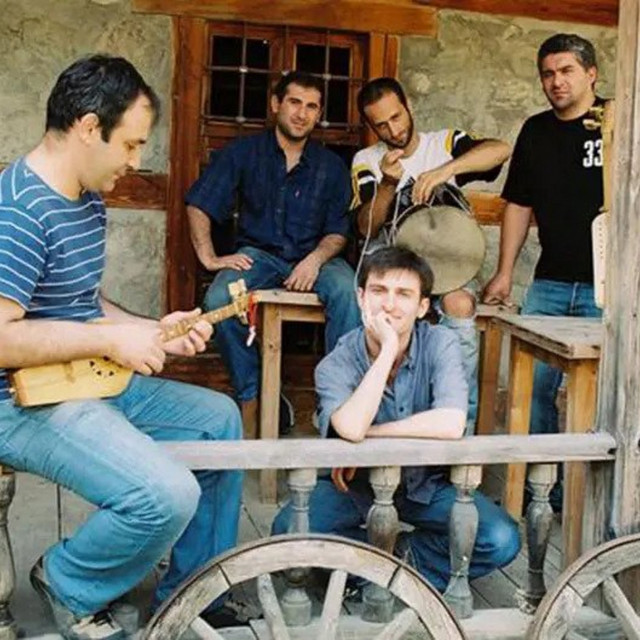
- A cappella performance is common, though many songs are also performed with traditional instruments such as the panduri (a short-necked lute) or the chonguri (a three- or four-string lute).
Regional flavors
Georgian folk is not monolithic. Three broad vocal families are often cited by enthusiasts:
- Imereti (west): known for bright, near-parallel harmonies and nimble, singable lines.
- Kakheti (east): often robust and resonant, with singing that carries a strong, declarative character.
- Svaneti and other highland traditions: noted for dramatic, high-tenor lines and striking leaps, a sound associated with the region’s dramatic mountainous landscapes.
Beyond these, western Mingrelian and Gurian repertoires add further color, making Georgian folk a kaleidoscopic tapestry.
Ambassadors and modern curators
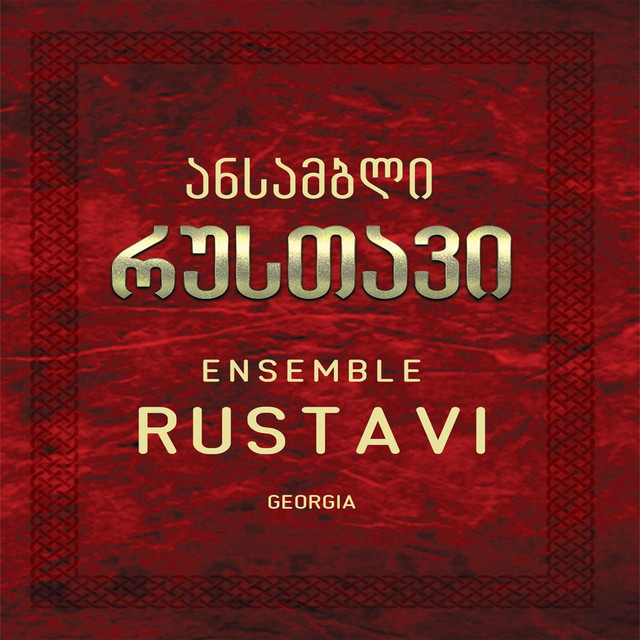
Georgian folk has found champions across generations. Historic ambassadors include state-supported ensembles such as the Rustavi Ensemble, which helped bring Georgian polyphony to international stages, and the Georgian National Choir, which presented traditional pieces within a broader choral tradition. In the last decade, contemporary groups have popularized the genre for global listeners: Trio Mandili, a female vocal trio whose intimate harmonies and warm recordings helped introduce Georgian polyphony to a new generation, and other modern collectives that tour worldwide and curate online repertoires. These artists serve as ambassadors, bridging village-sourced sounds with concert halls and streaming platforms.
Global reach and listening context
Georgian folk remains strongest in Georgia and among Caucasus diaspora communities, but it also enjoys growing followings in Turkey, Russia, parts of Western Europe, and North America. For listeners, the genre offers a gateway into a centuries-old musical consciousness—where communal singing is not a mere performance but a social event, a shared memory, and a living practice that continues to evolve. If you seek music that pairs architectural vocal daring with grounded human warmth, Georgian folk is a compelling, enveloping journey.
Birth and lineage
Georgian folk singing emerged from the polyphonic mind of the Georgian-speaking world, where voices weave together into multiple independent lines. UNESCO inscribed this practice on its Representative List of the Intangible Cultural Heritage of Humanity in 2008, highlighting its age, sophistication, and social significance. The tradition grew from pastoral and agrarian communities across the highlands and valleys, where groups gathered to harmonize songs for weddings, harvests, harvest festivals, and religious observances. The core feature is multipart singing—often three or four voices that interlock in harmony and contrast, sometimes anchored by a persistent drone, sometimes soaring in bright, transparent lines.
What makes it distinctive
Georgian polyphony is celebrated for its bold, sometimes daring harmonic schemes and its exquisite balance between precision and spontaneity. The music typically features:
- Three-part or multi-part vocal structures, with each part carrying its own melodic contour.
- A prominent drone or pedal line that underpins the texture, lending a hypnotic steadiness to the music.
- Rich ornamentation, microtonal inflections, wide leaps, and dramatic cadences that propel storytelling within a song.
- A cappella performance is common, though many songs are also performed with traditional instruments such as the panduri (a short-necked lute) or the chonguri (a three- or four-string lute).
Regional flavors
Georgian folk is not monolithic. Three broad vocal families are often cited by enthusiasts:
- Imereti (west): known for bright, near-parallel harmonies and nimble, singable lines.
- Kakheti (east): often robust and resonant, with singing that carries a strong, declarative character.
- Svaneti and other highland traditions: noted for dramatic, high-tenor lines and striking leaps, a sound associated with the region’s dramatic mountainous landscapes.
Beyond these, western Mingrelian and Gurian repertoires add further color, making Georgian folk a kaleidoscopic tapestry.
Ambassadors and modern curators
Georgian folk has found champions across generations. Historic ambassadors include state-supported ensembles such as the Rustavi Ensemble, which helped bring Georgian polyphony to international stages, and the Georgian National Choir, which presented traditional pieces within a broader choral tradition. In the last decade, contemporary groups have popularized the genre for global listeners: Trio Mandili, a female vocal trio whose intimate harmonies and warm recordings helped introduce Georgian polyphony to a new generation, and other modern collectives that tour worldwide and curate online repertoires. These artists serve as ambassadors, bridging village-sourced sounds with concert halls and streaming platforms.
Global reach and listening context
Georgian folk remains strongest in Georgia and among Caucasus diaspora communities, but it also enjoys growing followings in Turkey, Russia, parts of Western Europe, and North America. For listeners, the genre offers a gateway into a centuries-old musical consciousness—where communal singing is not a mere performance but a social event, a shared memory, and a living practice that continues to evolve. If you seek music that pairs architectural vocal daring with grounded human warmth, Georgian folk is a compelling, enveloping journey.