Genre
german choir
Top German choir Artists
Showing 25 of 28 artists




About German choir
German choir is not a single, monolithic style but a thread that runs through centuries of choral music in the German-speaking world. It encompasses sacred and secular works, from medieval liturgical singing to contemporary commissions, all characterized by a strong sense of text, careful vocal balance, and a tradition of choral craft that values transparency of diction and blend. For enthusiasts, the genre offers a living dialogue between history and innovation, where ancient chorales meet modern timbres and ideas.
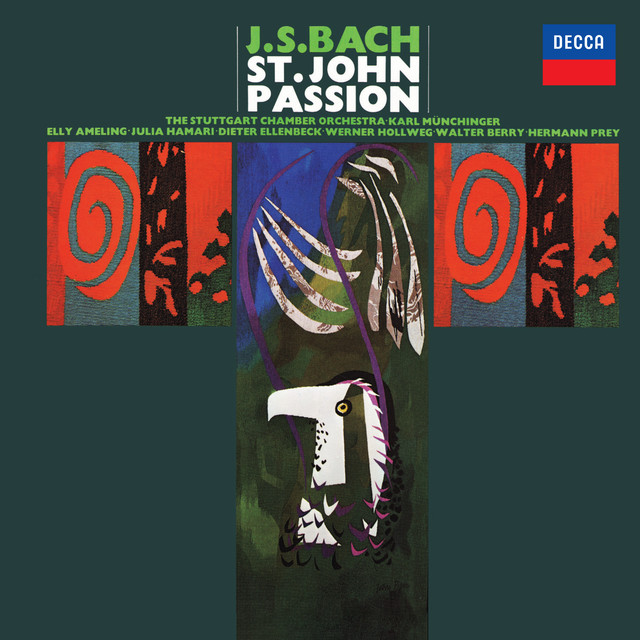
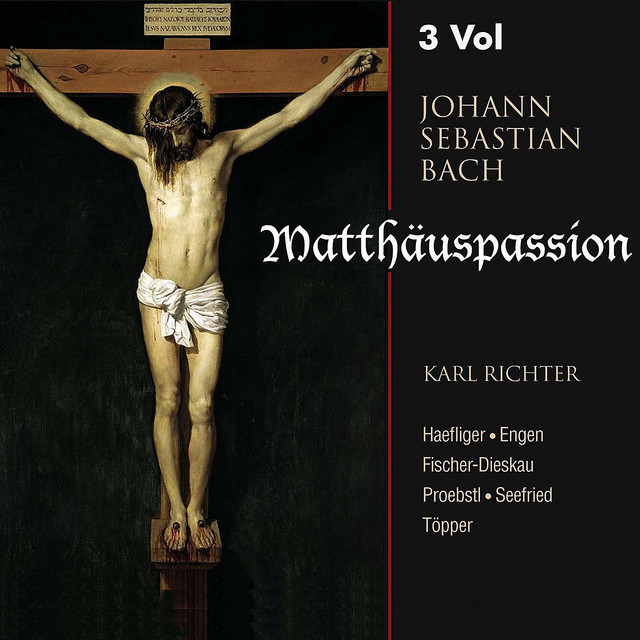
The roots lie in the monasteries and cathedrals of the Holy Roman Empire, where choirs formed the backbone of liturgical life. By the Renaissance, German-speaking composers began to fuse rich German textual expression with the polyphonic techniques then evolving across Europe. The Baroque revolution is especially decisive: Heinrich Schütz brought Italianate concertato practice into German sacred music, while J. S. Bach elevated the choral ideal to its apex, turning cantatas, motets, and the monumental Mass in B minor into touchstones of the repertoire. Bach’s choruses—reliable, precise, emotionally direct—became a model for generations of German choirs and remain a benchmark for choral ensembles worldwide.
In the Romantic era, the German choral voice broadened in scope and ambition. Felix Mendelssohn’s Elijah and his revival of Bach’s oratorios linked German choral tradition to a broader, emotionally expansive language. Johannes Brahms contributed profound choral cycles, notably his Ein deutsches Requiem, which fused German religious feeling with a rigorous, intimate choral texture. Later composers—Paul Hindemith in the early 20th century and, in different tonal and formal veins, Karlheinz Stockhausen and others—continued to test the boundaries of choral sound, integrating philosophy, modern harmonies, and acutely crafted ensembles into the genre.
Among the genre’s most enduring ambassadors are the great German-speaking choirs whose legacies are inseparable from their cities. Thomanerchor Leipzig, founded in the 13th century and long associated with Bach, embodies a lineage of disciplined vocal training and repertoire that spans Bach’s sacred works to contemporary commissions. The Dresdner Kreuzchor and the Regensburger Domspatzen are equally venerable, renowned for their sonorous, blend-friendly sound and for educating generations of singers. Windsbacher Knabenchor and other renowned boys’ choirs form a crucial thread in the tradition, while modern professional choirs—Rundfunkchor Berlin, NDR Chor, and similar ensembles—carry German choral music beyond national borders through international tours and collaborations.
Geographically, German choral music remains deepest in Germany, Austria, and Switzerland, but its influence is global. Bach’s oratorios, Schütz’s motets, and the Romantic idiom resonate in concert halls, universities, and churches around the world, drawing listeners who relish precision, clarity of text, and the emotional relief that a well-placed chorus can provide. For the devoted listener, the German choir is both a doorway into centuries of sacred and secular song and a living, evolving craft that continues to commission, perform, and reimagine its own legacy.
The roots lie in the monasteries and cathedrals of the Holy Roman Empire, where choirs formed the backbone of liturgical life. By the Renaissance, German-speaking composers began to fuse rich German textual expression with the polyphonic techniques then evolving across Europe. The Baroque revolution is especially decisive: Heinrich Schütz brought Italianate concertato practice into German sacred music, while J. S. Bach elevated the choral ideal to its apex, turning cantatas, motets, and the monumental Mass in B minor into touchstones of the repertoire. Bach’s choruses—reliable, precise, emotionally direct—became a model for generations of German choirs and remain a benchmark for choral ensembles worldwide.
In the Romantic era, the German choral voice broadened in scope and ambition. Felix Mendelssohn’s Elijah and his revival of Bach’s oratorios linked German choral tradition to a broader, emotionally expansive language. Johannes Brahms contributed profound choral cycles, notably his Ein deutsches Requiem, which fused German religious feeling with a rigorous, intimate choral texture. Later composers—Paul Hindemith in the early 20th century and, in different tonal and formal veins, Karlheinz Stockhausen and others—continued to test the boundaries of choral sound, integrating philosophy, modern harmonies, and acutely crafted ensembles into the genre.
Among the genre’s most enduring ambassadors are the great German-speaking choirs whose legacies are inseparable from their cities. Thomanerchor Leipzig, founded in the 13th century and long associated with Bach, embodies a lineage of disciplined vocal training and repertoire that spans Bach’s sacred works to contemporary commissions. The Dresdner Kreuzchor and the Regensburger Domspatzen are equally venerable, renowned for their sonorous, blend-friendly sound and for educating generations of singers. Windsbacher Knabenchor and other renowned boys’ choirs form a crucial thread in the tradition, while modern professional choirs—Rundfunkchor Berlin, NDR Chor, and similar ensembles—carry German choral music beyond national borders through international tours and collaborations.
Geographically, German choral music remains deepest in Germany, Austria, and Switzerland, but its influence is global. Bach’s oratorios, Schütz’s motets, and the Romantic idiom resonate in concert halls, universities, and churches around the world, drawing listeners who relish precision, clarity of text, and the emotional relief that a well-placed chorus can provide. For the devoted listener, the German choir is both a doorway into centuries of sacred and secular song and a living, evolving craft that continues to commission, perform, and reimagine its own legacy.