Genre
german pop
Top German pop Artists
Showing 25 of 1,500 artists




About German pop
German pop, or Deutschpop, is the German-language strand of contemporary popular music. It isn’t a single recipe but a broad field that spans glossy chart hooks, indie storytelling, synth-driven anthems, and singer‑songwriter intimacy. What unites it is not only the language but a persistent desire to sing about life, love, and society in a way that resonates with German-speaking audiences.
Origins and birth of a scene
German pop grew out of the postwar German pop tradition known as Schlager, then evolved through the late 20th century as artists began to craft sophisticated, everyday German lyrics for a mass audience. A decisive moment came with the Neue Deutsche Welle (NDW) in the early 1980s, a wave of German-language new wave and pop that fused punk energy, electronic textures, and catchy melodies. NDW made German lyrics feel modern and internationally viable. It produced breakout hits that crossed borders and proved that German could carry widely appealing pop music, not just traditional folk or light entertainment.
Ambassadors and landmark acts
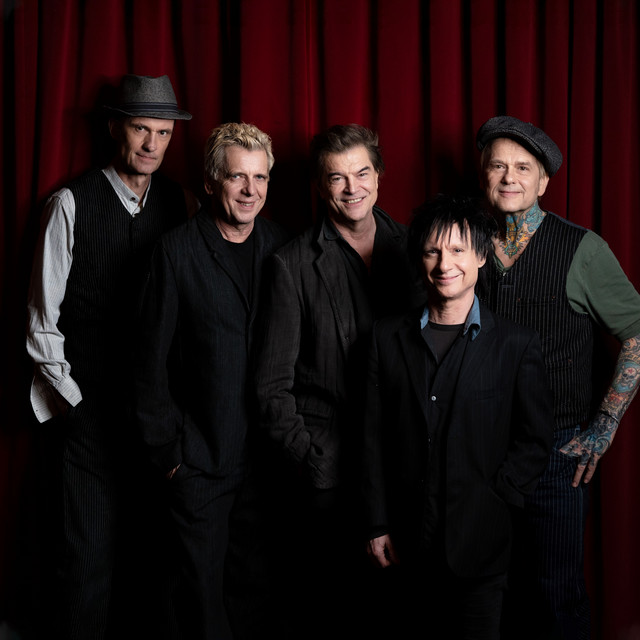
Nena remains the quintessential icon of German pop: her 1983 hit “99 Luftballons” turned a German-language song into a global smash and remains a touchstone for the era’s optimism, anxieties, and melodic clarity. Peter Schilling’s “Major Tom (Coming Home)” helped crystallize a German take on space-age pop during the same period. Hubert Kah and Falco (though Austrian) were among the acts that helped popularize synth‑pop and catchy, radio-friendly German songs around the time. Moving forward, Herbert Grönemeyer emerged as one of Germany’s most enduring pop‑rock voices, combining blunt, insightful lyrics with grand pop‑rock productions. The 2000s brought a wave of singer‑songwriters and bands such as Wir sind Helden, who championed intelligent, melodic German songwriting for a new generation, and Peter Fox, whose solo work built on Seeed’s danceable, urban-informed sound. These acts are often cited as ambassadors for a modern, language-anchored German pop that speaks to both intimate moments and wider cultural themes.
Geography and influence
German pop is most at home in the German-speaking countries: Germany, Austria, and Switzerland. It’s also a cultural force in Luxembourg and the German-speaking communities of Belgium and Italy. Beyond those borders, the genre has inspired artists who write in German abroad or blend German with other styles, from hip-hop to electronic pop. In recent years, German-language pop has absorbed global influences—hip-hop, R&B, and electronic music—while maintaining a strong emphasis on clear, intelligible German lyrics and strong melodic hooks.
Sound, language, and modern character
What distinguishes German pop today is the combination of accessible melodies with lyric-driven content. It often foregrounds lyric clarity and storytelling, which invites close listening even when the music aims for mass appeal. The spectrum now includes melodic pop ballads, upbeat dance‑floor tracks, and introspective indie‑pop, all sung in fluent German. Whether reviving nostalgia for NDW-era charm or pushing toward contemporary, international‑leaning production, Deutschpop continues to redefine what German-language pop sounds like on the global stage.
Origins and birth of a scene
German pop grew out of the postwar German pop tradition known as Schlager, then evolved through the late 20th century as artists began to craft sophisticated, everyday German lyrics for a mass audience. A decisive moment came with the Neue Deutsche Welle (NDW) in the early 1980s, a wave of German-language new wave and pop that fused punk energy, electronic textures, and catchy melodies. NDW made German lyrics feel modern and internationally viable. It produced breakout hits that crossed borders and proved that German could carry widely appealing pop music, not just traditional folk or light entertainment.
Ambassadors and landmark acts
Nena remains the quintessential icon of German pop: her 1983 hit “99 Luftballons” turned a German-language song into a global smash and remains a touchstone for the era’s optimism, anxieties, and melodic clarity. Peter Schilling’s “Major Tom (Coming Home)” helped crystallize a German take on space-age pop during the same period. Hubert Kah and Falco (though Austrian) were among the acts that helped popularize synth‑pop and catchy, radio-friendly German songs around the time. Moving forward, Herbert Grönemeyer emerged as one of Germany’s most enduring pop‑rock voices, combining blunt, insightful lyrics with grand pop‑rock productions. The 2000s brought a wave of singer‑songwriters and bands such as Wir sind Helden, who championed intelligent, melodic German songwriting for a new generation, and Peter Fox, whose solo work built on Seeed’s danceable, urban-informed sound. These acts are often cited as ambassadors for a modern, language-anchored German pop that speaks to both intimate moments and wider cultural themes.
Geography and influence
German pop is most at home in the German-speaking countries: Germany, Austria, and Switzerland. It’s also a cultural force in Luxembourg and the German-speaking communities of Belgium and Italy. Beyond those borders, the genre has inspired artists who write in German abroad or blend German with other styles, from hip-hop to electronic pop. In recent years, German-language pop has absorbed global influences—hip-hop, R&B, and electronic music—while maintaining a strong emphasis on clear, intelligible German lyrics and strong melodic hooks.
Sound, language, and modern character
What distinguishes German pop today is the combination of accessible melodies with lyric-driven content. It often foregrounds lyric clarity and storytelling, which invites close listening even when the music aims for mass appeal. The spectrum now includes melodic pop ballads, upbeat dance‑floor tracks, and introspective indie‑pop, all sung in fluent German. Whether reviving nostalgia for NDW-era charm or pushing toward contemporary, international‑leaning production, Deutschpop continues to redefine what German-language pop sounds like on the global stage.