Genre
german worship
Top German worship Artists
Showing 25 of 29 artists








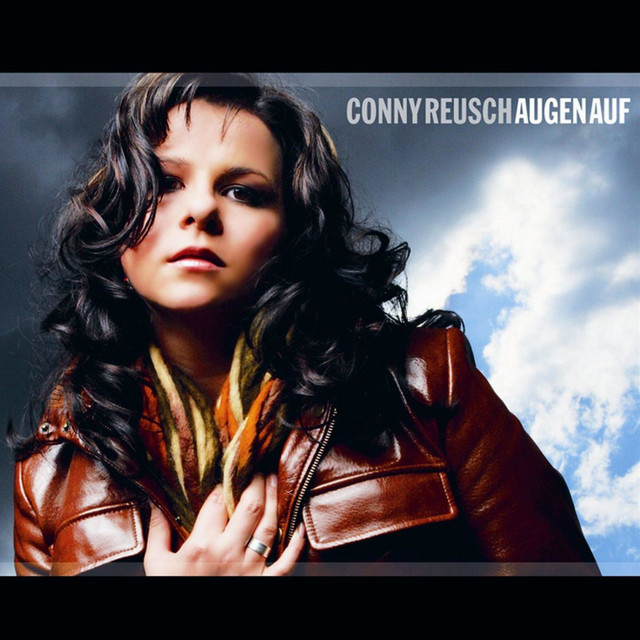


About German worship
German worship, or Deutschsprachiger Lobpreis, is a distinctive branch of contemporary Christian worship music performed in German. It sits at the crossroads of traditional German hymnody and the global, guitar-and-synth-driven worship sound that has dominated church services since the late 20th century. The result is a language-specific, emotionally direct toolkit for congregational singing, personal devotion, and communal praise.
Origins and birth
German worship did not spring from a single moment, but from a broader shift in European church culture during the 1980s–2000s. As worship music exploded in English in global evangelical circuits, German-speaking churches began translating many songs and, crucially, creating original German-language repertoire. This allowed worship to stay culturally resonant for German-speaking congregants without sacrificing the energy and immediacy of contemporary worship. The genre grew within both Protestant and Catholic-adjacent church networks, youth ministries, and ecumenical collectives, evolving from simple, acoustic praise to more elaborate, studio-produced anthems. Over time, German-speaking worship teams began releasing regular albums, live recordings from church services, and digital singles, cementing a recognizably German flavor in the broader worship ecosystem.
Musical characteristics
German worship is characterized by accessible, singable melodies and a lyric-driven approach. The instrumentation often blends guitars, piano, and drums with modern synth textures, producing a sound that alternates between intimate ballads and large, congregational anthems. Lyrically, the songs emphasize God’s character, personal devotion, repentance, and gratitude, frequently inviting listeners into reflective, communal prayer. The German language shapes the phrasing, with a tendency toward clear, declarative lines and occasional poetic imagery that echoes Germany’s rich hymn-writing heritage. Production values range from warm, live-feel recordings to polished studio cuts, reflecting the genre’s dual aim: musicianship that moves listeners and lyrics that translate worship into everyday life.
Ambassadors and key figures
In the German worship scene, ambassadors are often worship leaders, pastors, and composers affiliated with major church networks, youth movements, and denominational ministries across German-speaking countries. Rather than a single handful of international stars, the genre’s ambassadors are prolific in regional church contexts—collectives and bands that regularly headline services, conferences, and ecumenical events in Germany, Austria, and Switzerland. Their work is frequently distributed through church media ministries, independent German-language labels, and online platforms, helping to disseminate the sound beyond local services. This decentralized model emphasizes community-driven creation: new songs emerge from church communities, worship training programs, and collaborative projects among German-speaking churches.
Popularity and geography
The strongest concentration of German worship activity is in Germany, with substantial scenes in Austria and Switzerland. These countries maintain robust church networks, youth ministries, and theology-informed music programs that sustain ongoing songwriting and release cycles. Beyond core German-speaking markets, German-language worship also finds listeners in diaspora communities across Europe and North America, as streaming platforms enable access to German-language worship albums, live streams, and lyric videos. The genre’s growth is closely tied to the ability of German-speaking churches to invest in original music, train worship leaders, and partner with labels that can distribute songs worldwide.
If you’d like, I can include representative artists, specific albums, and year-by-year milestones to give a more concrete map of the German worship landscape.
Origins and birth
German worship did not spring from a single moment, but from a broader shift in European church culture during the 1980s–2000s. As worship music exploded in English in global evangelical circuits, German-speaking churches began translating many songs and, crucially, creating original German-language repertoire. This allowed worship to stay culturally resonant for German-speaking congregants without sacrificing the energy and immediacy of contemporary worship. The genre grew within both Protestant and Catholic-adjacent church networks, youth ministries, and ecumenical collectives, evolving from simple, acoustic praise to more elaborate, studio-produced anthems. Over time, German-speaking worship teams began releasing regular albums, live recordings from church services, and digital singles, cementing a recognizably German flavor in the broader worship ecosystem.
Musical characteristics
German worship is characterized by accessible, singable melodies and a lyric-driven approach. The instrumentation often blends guitars, piano, and drums with modern synth textures, producing a sound that alternates between intimate ballads and large, congregational anthems. Lyrically, the songs emphasize God’s character, personal devotion, repentance, and gratitude, frequently inviting listeners into reflective, communal prayer. The German language shapes the phrasing, with a tendency toward clear, declarative lines and occasional poetic imagery that echoes Germany’s rich hymn-writing heritage. Production values range from warm, live-feel recordings to polished studio cuts, reflecting the genre’s dual aim: musicianship that moves listeners and lyrics that translate worship into everyday life.
Ambassadors and key figures
In the German worship scene, ambassadors are often worship leaders, pastors, and composers affiliated with major church networks, youth movements, and denominational ministries across German-speaking countries. Rather than a single handful of international stars, the genre’s ambassadors are prolific in regional church contexts—collectives and bands that regularly headline services, conferences, and ecumenical events in Germany, Austria, and Switzerland. Their work is frequently distributed through church media ministries, independent German-language labels, and online platforms, helping to disseminate the sound beyond local services. This decentralized model emphasizes community-driven creation: new songs emerge from church communities, worship training programs, and collaborative projects among German-speaking churches.
Popularity and geography
The strongest concentration of German worship activity is in Germany, with substantial scenes in Austria and Switzerland. These countries maintain robust church networks, youth ministries, and theology-informed music programs that sustain ongoing songwriting and release cycles. Beyond core German-speaking markets, German-language worship also finds listeners in diaspora communities across Europe and North America, as streaming platforms enable access to German-language worship albums, live streams, and lyric videos. The genre’s growth is closely tied to the ability of German-speaking churches to invest in original music, train worship leaders, and partner with labels that can distribute songs worldwide.
If you’d like, I can include representative artists, specific albums, and year-by-year milestones to give a more concrete map of the German worship landscape.