Genre
ghanaian traditional
Top Ghanaian traditional Artists
Showing 16 of 16 artists
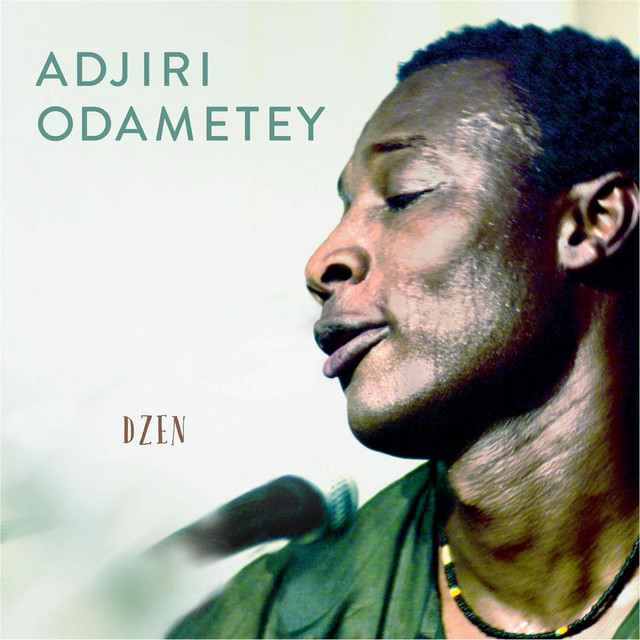
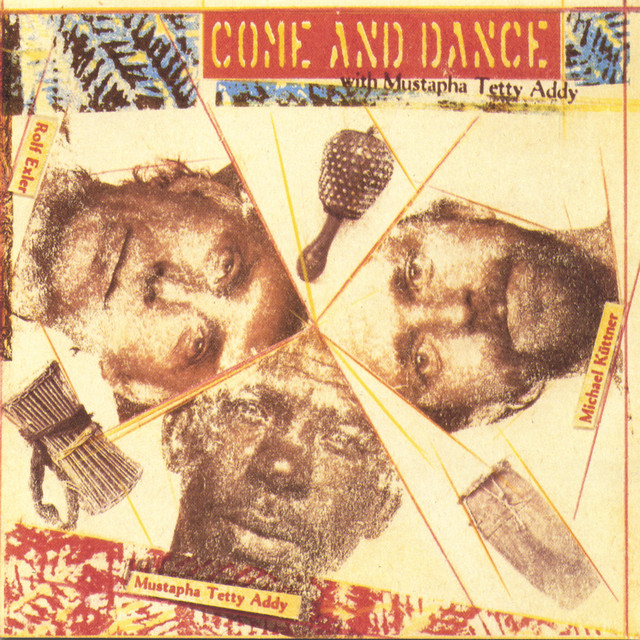

5

21
55 listeners
About Ghanaian traditional
Ghanaian traditional is a broad umbrella for the indigenous music of Ghana’s many communities, rooted in ritual, ceremony, and everyday life. It grew out of royal courts, farming gatherings, funerals, weddings, and naming ceremonies long before the modern recording era. Across the country’s diverse peoples—the Akan, Ewe, Ga-Da, Dagomba, and many others—music functions as social glue, memory-keeper, and storyteller. Though globalization has reshaped how we hear it, Ghanaian traditional music remains deeply communal, often performed by age-graded groups, master drummers, and village choirs, and it continues to influence contemporary genres through rhythm, timbre, and a spirit of collective making.
Key characteristics include dense, interlocking rhythms and call-and-response singing that can feel both ritual and celebratory. Ensembles frequently layer voice with a battery of drums, bells, and rattles, creating polyphonic textures that invite dancers to respond in turn. A telling feature is the drum language—the ability of certain drums to “speak” in pitch and tone, sending messages or signaling changes in tempo and mood to the other players. This is paired with intricate bell patterns and cross-rhythms that propel a performance forward even when the singers are pausing for breath.
A typical Ghanaian traditional toolkit includes the talking drums (such as the atumpan or fontomfrom family), pair of large drums that communicate through pitch, rhythm, and timbre; smaller drums for variety and texture; bells (gankogui) to anchor the ensemble’s tempo; and rattles (axatse) or shakers to add shimmer and drive. Vocalists weave proverbs, praise-songs, and storytelling into the performance, underscoring communal memory and shared values.
Regional styles illustrate the country’s musical breadth. Adowa is an Akan court dance known for its measured, dignified percussion and poetic lyrics. Agbadza is a fiery Ewe piece associated with social dances and has become one of Ghana’s most recognizable traditional sounds worldwide. Kpanlogo, from the Ga people around Osu in Accra, blends playful call-and-response with brisk, urban-inspired movement. Each style carries a distinct repertoire of rhythms, instruments, and dance idioms, yet all share the core idea that music binds people together in ritual and celebration.
Ambassadors and key artists of the genre include figures who sustain and share traditional sounds with wider audiences. Koo Nimo is often cited as an exemplary ambassador of Akan folk music, celebrated for helping to bring traditional song and storytelling into a broader consciousness. Institutions such as the National Dance Company of Ghana (and regional dance ensembles) act as cultural ambassadors, presenting Ghanaian traditional forms on stage and on tour, inside and outside the country. In diasporic communities—especially in the United Kingdom, the United States, and parts of Europe—traditional Ghanaian ensembles and educators keep the repertoire alive, teaching rhythms, calls, and dances to new generations of listeners.
Today, Ghanaian traditional music remains vital: it appears in ceremonial contexts, stage performances, educational programs, and even contemporary fusions with highlife, hiplife, and Afrobeat. For enthusiasts, exploring Adowa, Agbadza, and Kpanlogo offers a tangible doorway into a living tradition—one that is at once ancient and continually renewed through rhythm, memory, and communal joy.
Key characteristics include dense, interlocking rhythms and call-and-response singing that can feel both ritual and celebratory. Ensembles frequently layer voice with a battery of drums, bells, and rattles, creating polyphonic textures that invite dancers to respond in turn. A telling feature is the drum language—the ability of certain drums to “speak” in pitch and tone, sending messages or signaling changes in tempo and mood to the other players. This is paired with intricate bell patterns and cross-rhythms that propel a performance forward even when the singers are pausing for breath.
A typical Ghanaian traditional toolkit includes the talking drums (such as the atumpan or fontomfrom family), pair of large drums that communicate through pitch, rhythm, and timbre; smaller drums for variety and texture; bells (gankogui) to anchor the ensemble’s tempo; and rattles (axatse) or shakers to add shimmer and drive. Vocalists weave proverbs, praise-songs, and storytelling into the performance, underscoring communal memory and shared values.
Regional styles illustrate the country’s musical breadth. Adowa is an Akan court dance known for its measured, dignified percussion and poetic lyrics. Agbadza is a fiery Ewe piece associated with social dances and has become one of Ghana’s most recognizable traditional sounds worldwide. Kpanlogo, from the Ga people around Osu in Accra, blends playful call-and-response with brisk, urban-inspired movement. Each style carries a distinct repertoire of rhythms, instruments, and dance idioms, yet all share the core idea that music binds people together in ritual and celebration.
Ambassadors and key artists of the genre include figures who sustain and share traditional sounds with wider audiences. Koo Nimo is often cited as an exemplary ambassador of Akan folk music, celebrated for helping to bring traditional song and storytelling into a broader consciousness. Institutions such as the National Dance Company of Ghana (and regional dance ensembles) act as cultural ambassadors, presenting Ghanaian traditional forms on stage and on tour, inside and outside the country. In diasporic communities—especially in the United Kingdom, the United States, and parts of Europe—traditional Ghanaian ensembles and educators keep the repertoire alive, teaching rhythms, calls, and dances to new generations of listeners.
Today, Ghanaian traditional music remains vital: it appears in ceremonial contexts, stage performances, educational programs, and even contemporary fusions with highlife, hiplife, and Afrobeat. For enthusiasts, exploring Adowa, Agbadza, and Kpanlogo offers a tangible doorway into a living tradition—one that is at once ancient and continually renewed through rhythm, memory, and communal joy.