Genre
go-go
Top Go-go Artists
Showing 25 of 829 artists






About Go-go
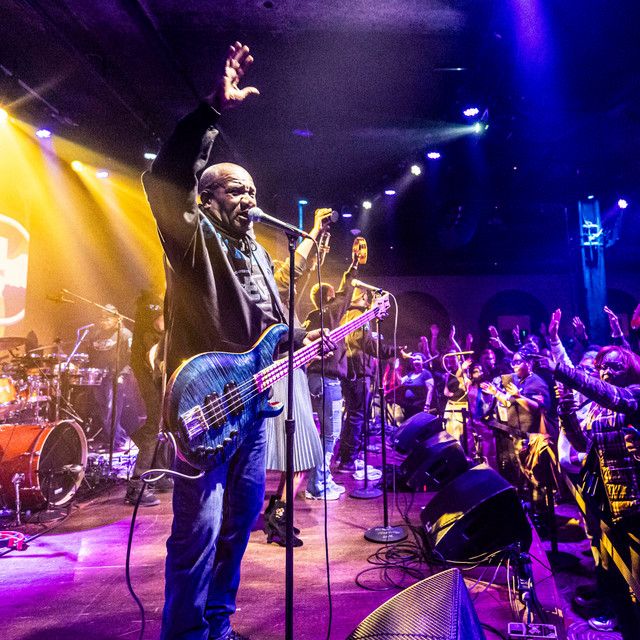
Go-go is a distinctly American original, a subgenre of funk that grew out of Washington, D.C.’s club scene in the late 1960s and 1970s. It isn’t merely a style of song; it’s a way of performing—an all-night, call-and-response groove where the music seems to be in constant motion. Go-go centers on percussion and groove-heavy funk, built for live, audience-participatory experience. Songs stretch into long, cyclical jams, with the band-and-crowd dialogue driving the momentum as horns, keyboards, bass, and a powerful drum-and-conga backbone weave layers that never truly “end.” The essence of go-go is that moment when the room seems to be kept in motion by a shared, improvised pulse.
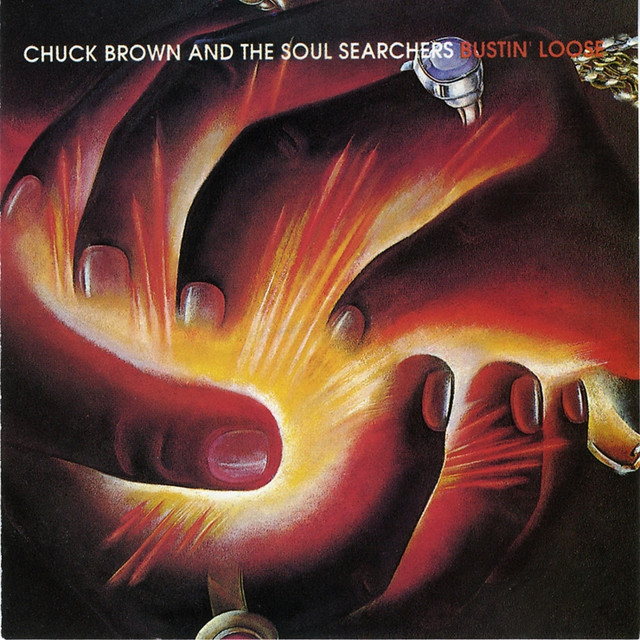
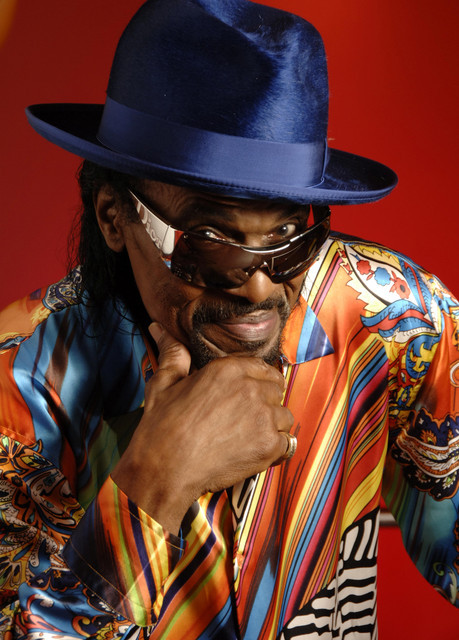
Origins trace back to the early 1970s in Washington, where bands fused funk with Afro-Cuban syncopation, R&B horn lines, and robust percussion. The sound coalesced around the city’s Black clubs, where dancers and listeners fed energy back to the musicians. Though often associated with a particular era, go-go’s roots go deeper in the community history of D.C. and its surrounding Maryland and Virginia counties. A frequently cited figure in the story is Chuck Brown, celebrated as the “Godfather of Go-Go.” His band, Chuck Brown and the Soul Searchers, and later his iterative projects, helped crystallize the mode: extended grooves, prominent congas and timbales, tight-but-stretchable horn lines, and a lead vocalist who could hold the crowd in a contagious call-and-response.
The typical go-go sound is built on a few recurring pillars. A hypnotic rhythm section—drums, congas, and bass—provides the backbone, while percussion and keyboards color the texture. Horns punctuate with punchy lines, and the bassline often sits in a pocket that makes the groove feel both gritty and irresistible. The crowd’s participation is not optional; audience callouts, hand claps, and shouts are woven into the fabric of the performance, turning clubs into living, breathing percussion instruments. Importantly, go-go music is frequently designed for live performance, with tracks that rotate into long, continuous sets rather than short studio pop compositions.
Among the genre’s most influential ambassadors are bands that kept the sound alive through decades. Chuck Brown remains the emblematic figure. Other pillar groups include Rare Essence, who carried the tradition through the 1980s and beyond; E.U. (Experience Unlimited), whose members helped push go-go toward broader audiences; Trouble Funk, a powerhouse collective known for its tight instrumental prowess; and Junkyard Band, whose youthful energy in the 1980s helped popularize go-go in the wider Washington scene. Over the years, numerous clubs in the D.C. metro area, such as the legendary go-go houses and venues in the U Street corridor, cultivated a continuous, living culture.
Go-go is, to a large extent, a regional phenomenon. It remains most popular in the Washington, D.C. area and its nearby metros, with pockets of devoted fans and occasional concerts in other U.S. cities. Outside the United States, interest exists but is more limited—a dedicated international audience exists among funk and urban music enthusiasts who seek out go-go histories and, occasionally, live performances. In recent years, the genre’s influence has also seeped into hip-hop, dance, and funk-infused styles, ensuring that the go-go spirit—pulsing, participatory, community-forward—still beats in the wings of America’s regional musical identity.
Origins trace back to the early 1970s in Washington, where bands fused funk with Afro-Cuban syncopation, R&B horn lines, and robust percussion. The sound coalesced around the city’s Black clubs, where dancers and listeners fed energy back to the musicians. Though often associated with a particular era, go-go’s roots go deeper in the community history of D.C. and its surrounding Maryland and Virginia counties. A frequently cited figure in the story is Chuck Brown, celebrated as the “Godfather of Go-Go.” His band, Chuck Brown and the Soul Searchers, and later his iterative projects, helped crystallize the mode: extended grooves, prominent congas and timbales, tight-but-stretchable horn lines, and a lead vocalist who could hold the crowd in a contagious call-and-response.
The typical go-go sound is built on a few recurring pillars. A hypnotic rhythm section—drums, congas, and bass—provides the backbone, while percussion and keyboards color the texture. Horns punctuate with punchy lines, and the bassline often sits in a pocket that makes the groove feel both gritty and irresistible. The crowd’s participation is not optional; audience callouts, hand claps, and shouts are woven into the fabric of the performance, turning clubs into living, breathing percussion instruments. Importantly, go-go music is frequently designed for live performance, with tracks that rotate into long, continuous sets rather than short studio pop compositions.
Among the genre’s most influential ambassadors are bands that kept the sound alive through decades. Chuck Brown remains the emblematic figure. Other pillar groups include Rare Essence, who carried the tradition through the 1980s and beyond; E.U. (Experience Unlimited), whose members helped push go-go toward broader audiences; Trouble Funk, a powerhouse collective known for its tight instrumental prowess; and Junkyard Band, whose youthful energy in the 1980s helped popularize go-go in the wider Washington scene. Over the years, numerous clubs in the D.C. metro area, such as the legendary go-go houses and venues in the U Street corridor, cultivated a continuous, living culture.
Go-go is, to a large extent, a regional phenomenon. It remains most popular in the Washington, D.C. area and its nearby metros, with pockets of devoted fans and occasional concerts in other U.S. cities. Outside the United States, interest exists but is more limited—a dedicated international audience exists among funk and urban music enthusiasts who seek out go-go histories and, occasionally, live performances. In recent years, the genre’s influence has also seeped into hip-hop, dance, and funk-infused styles, ensuring that the go-go spirit—pulsing, participatory, community-forward—still beats in the wings of America’s regional musical identity.