Genre
goralski
Top Goralski Artists
Showing 4 of 4 artists

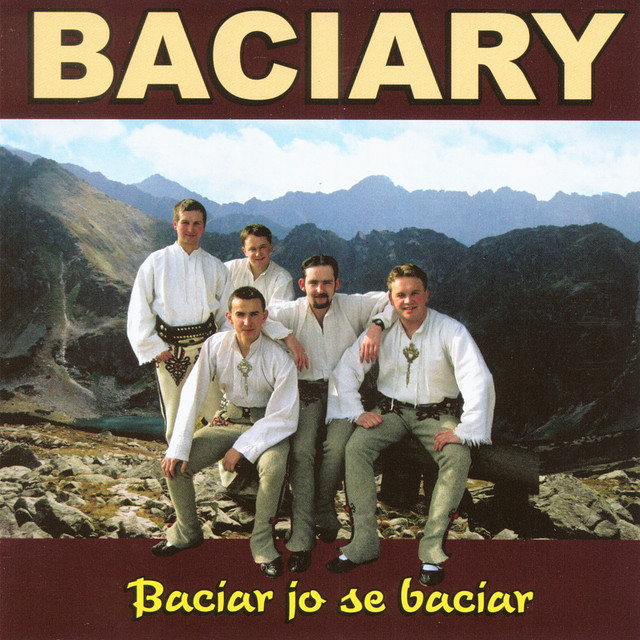

About Goralski
Goralski, or Góral music, is the traditional soundscape of the Gorale—the highlanders who have long called the southern Polish Carpathians home, especially the Podhale region around Zakopane and Nowy Targ. Born from a fusion of ancient mountain melodies, shepherd songs, and the cultural aspirations of a people who lived and moved with the seasons, Goralski music crystallized as a distinct style through the 18th and 19th centuries. It rode the currents of Poland’s Romantic era and later the folk revival, becoming a vivid symbol of regional identity that could travel beyond village fences while remaining deeply rooted in the landscape that inspired it: the Tatras, their valleys, and the hardy, hospitable Goral communities.
What you hear in Goralski music is immediately striking: bright, elastic violin melodies that lead the texture, often supported by a second fiddle or viola for harmony and a robust bass line that anchors the rhythm. The repertoire leans into lively, dance-ready tempos, with 3/4 or 6/8 feels that push feet to move and shoulders to sway. The soundscape is frequently peppered with ornamentation—grace notes, slides, and trills that turn a simple tune into a wind-swept ascent. While the backbone is melodic, the rhythm section—traditionally a double bass and, in modern outfits, accordion or sometimes clarinet—provides a buoyant, echoing pulse that can feel at once rustic and expansive. In many village communities, vocal pieces—often sung in poignant, expressive modal lines—sit alongside instrumental episodes, making Goralski a music of communal listening and shared celebration.
Instruments carry a peaceful tension between tradition and revival. The violin is king, sometimes doubled or harmonized, with other instruments adding color: the bass keeps the heartbeat, and there are occasional appearances by regional wind instruments or accordions. Bagpipes (the Podhalańskie dudy) appear in some festive contexts, underscoring the highland identity and connecting Goralski to broader Central European pastoral traditions. The result is music that sounds hearty, intimate, and unmistakably tied to the mountains and the people who tend them.
Key ambassadors of Goralski music are the regional kapela góralska—the highland bands that have kept the tradition live in villages and at regional festivals. The Podhale heartland has produced countless master fiddlers, singers, and concert ensembles who pass down tunes and ornamentations through generations. In the modern era, Goralski motifs have spilled into broader Polish folk music scenes and have found friendly reception in European folk revivals and world-music circuits. Contemporary trios, quartets, and larger ensembles often fuse Goralski melodies with jazz, pop, or other folk traditions, expanding the genre’s reach without eroding its characteristic color.
The genre’s popularity is most pronounced in Poland, particularly in the Zakopane corridor and across the Podhale region. It remains influential in neighboring countries where Gorale share cultural ties, especially Slovakia and the Czech Republic’s borderlands, where similar highland traditions exist side by side. Beyond Europe, Polish communities in the United States, Canada, and parts of the United Kingdom sustain Goralski performances at festivals, weddings, and cultural events, acting as living ambassadors for a music that is as much about place as it is about sound. For enthusiasts, Goralski offers a tactile doorway into mountain life, a melody-rich expression of resilience, hospitality, and shared celebration.
What you hear in Goralski music is immediately striking: bright, elastic violin melodies that lead the texture, often supported by a second fiddle or viola for harmony and a robust bass line that anchors the rhythm. The repertoire leans into lively, dance-ready tempos, with 3/4 or 6/8 feels that push feet to move and shoulders to sway. The soundscape is frequently peppered with ornamentation—grace notes, slides, and trills that turn a simple tune into a wind-swept ascent. While the backbone is melodic, the rhythm section—traditionally a double bass and, in modern outfits, accordion or sometimes clarinet—provides a buoyant, echoing pulse that can feel at once rustic and expansive. In many village communities, vocal pieces—often sung in poignant, expressive modal lines—sit alongside instrumental episodes, making Goralski a music of communal listening and shared celebration.
Instruments carry a peaceful tension between tradition and revival. The violin is king, sometimes doubled or harmonized, with other instruments adding color: the bass keeps the heartbeat, and there are occasional appearances by regional wind instruments or accordions. Bagpipes (the Podhalańskie dudy) appear in some festive contexts, underscoring the highland identity and connecting Goralski to broader Central European pastoral traditions. The result is music that sounds hearty, intimate, and unmistakably tied to the mountains and the people who tend them.
Key ambassadors of Goralski music are the regional kapela góralska—the highland bands that have kept the tradition live in villages and at regional festivals. The Podhale heartland has produced countless master fiddlers, singers, and concert ensembles who pass down tunes and ornamentations through generations. In the modern era, Goralski motifs have spilled into broader Polish folk music scenes and have found friendly reception in European folk revivals and world-music circuits. Contemporary trios, quartets, and larger ensembles often fuse Goralski melodies with jazz, pop, or other folk traditions, expanding the genre’s reach without eroding its characteristic color.
The genre’s popularity is most pronounced in Poland, particularly in the Zakopane corridor and across the Podhale region. It remains influential in neighboring countries where Gorale share cultural ties, especially Slovakia and the Czech Republic’s borderlands, where similar highland traditions exist side by side. Beyond Europe, Polish communities in the United States, Canada, and parts of the United Kingdom sustain Goralski performances at festivals, weddings, and cultural events, acting as living ambassadors for a music that is as much about place as it is about sound. For enthusiasts, Goralski offers a tactile doorway into mountain life, a melody-rich expression of resilience, hospitality, and shared celebration.