Genre
gospel amapiano
Top Gospel amapiano Artists
Showing 10 of 10 artists



About Gospel amapiano
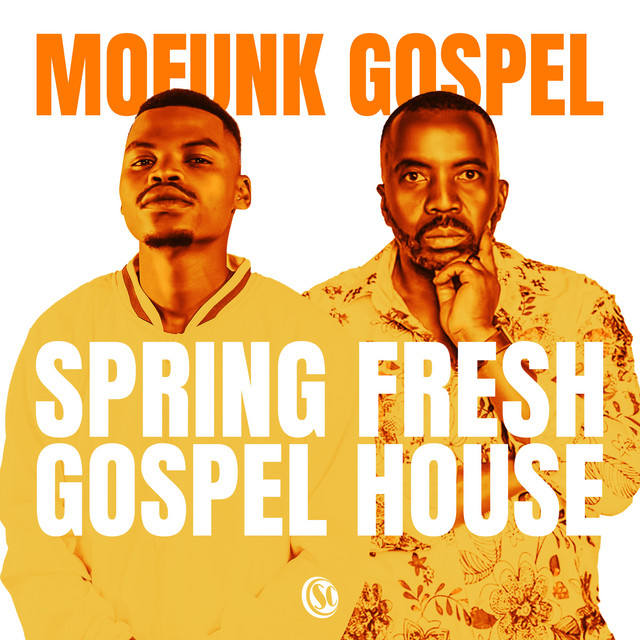
Gospel amapiano is a bright, devotional fusion that sits at the crossroads of worship and dance-floor culture. It blends the infectious groove, piano-driven melodies, and subtle log-drum bass of amapiano with the vocal heights, choirs, and spiritual storytelling of gospel. The result is music that you can worship to and move to at the same time, a worshipful sound that invites congregation-style call-and-response into a club-friendly tempo.
Origins and birth of the scene
Amapiano itself emerged in South Africa’s townships of Gauteng during the early to mid-2010s, driven by a generation of producers and DJs who fused jazz-influenced piano chords with house-influenced percussion and a signature, deep, roomy bass. Gospel amapiano began taking shape a few years later as gospel artists and church musicians started experimenting with amapiano’s tempo, staggered hi-hats, and lush piano lines. By the late 2010s and into the 2020s, congregations and streaming communities alike began embracing tracks that carried faith-filled lyrics, uplifting messages, and worshipful energy while still delivering a danceable, contemporary groove. The style has since matured into a recognizable subgenre within the broader amapiano family, continually evolving as new producers and vocalists contribute their voices to the fusion.
Sound and structure
Core elements of gospel amapiano include a steady 110–115 BPM pace, soulful piano chords, and the characteristic amapiano log-drum bass that grounds the track. Layered vocal harmonies, choir-like stacks, and spoken-word or sermon-tinged segments often appear between verses, emphasizing praise, gratitude, and spiritual resilience. Melodic content tends toward major-key warmth and gospel-inflected runs, while the production preserves the defined space between the piano’s bright timbre and the bass’s sub-bass punch. Call-and-response patterns, church-organ textures, and bright synth stabs frequently surface, giving the music both the lift of a worship moment and the sway of a dancefloor moment.
Production and lyric focus
Producers of gospel amapiano work to honor the gospel message while maintaining amapiano’s signature sense of space and groove. Vocals are typically front-and-center, with lyrics that celebrate faith, deliver encouragement, or recount spiritual journeys. The genre invites live, communal energy—whether in a church hall, a community event, or a festival setting—while also translating well to streaming platforms where fans seek inspirational music that can soundtrack personal devotion or social dancing.
Geography and reach
South Africa remains the epicenter, with Gauteng and surrounding communities fueling the sound. Beyond SA, gospel amapiano has found audiences in neighboring Southern African countries and across the African continent, as well as among the diaspora in the United Kingdom, Europe, and North America. Its appeal comes from its dual promise: a spiritually uplifting message and a beat that invites movement and shared experience.
Artists and ambassadors
As a growing subgenre, gospel amapiano is driven by collaborations between gospel vocalists and amapiano producers. There isn’t a fixed roster of “official” ambassadors yet, since the scene is continually evolving and regionally varied. What you’ll find are rising vocalists and producers who routinely blend worshipful lyrics with piano-led, danceable instrumentation, plus church choirs and worship teams releasing tracks in this hybrid vein. If you’re exploring the scene, search for gospel-focused tracks produced with amapiano sensibilities and look for live-performance footage from church and festival settings to identify influential voices shaping this sound.
If you’d like, I can tailor this further by naming confirmed artists and specific tracks as the scene becomes more defined or by focusing on a particular region.
Origins and birth of the scene
Amapiano itself emerged in South Africa’s townships of Gauteng during the early to mid-2010s, driven by a generation of producers and DJs who fused jazz-influenced piano chords with house-influenced percussion and a signature, deep, roomy bass. Gospel amapiano began taking shape a few years later as gospel artists and church musicians started experimenting with amapiano’s tempo, staggered hi-hats, and lush piano lines. By the late 2010s and into the 2020s, congregations and streaming communities alike began embracing tracks that carried faith-filled lyrics, uplifting messages, and worshipful energy while still delivering a danceable, contemporary groove. The style has since matured into a recognizable subgenre within the broader amapiano family, continually evolving as new producers and vocalists contribute their voices to the fusion.
Sound and structure
Core elements of gospel amapiano include a steady 110–115 BPM pace, soulful piano chords, and the characteristic amapiano log-drum bass that grounds the track. Layered vocal harmonies, choir-like stacks, and spoken-word or sermon-tinged segments often appear between verses, emphasizing praise, gratitude, and spiritual resilience. Melodic content tends toward major-key warmth and gospel-inflected runs, while the production preserves the defined space between the piano’s bright timbre and the bass’s sub-bass punch. Call-and-response patterns, church-organ textures, and bright synth stabs frequently surface, giving the music both the lift of a worship moment and the sway of a dancefloor moment.
Production and lyric focus
Producers of gospel amapiano work to honor the gospel message while maintaining amapiano’s signature sense of space and groove. Vocals are typically front-and-center, with lyrics that celebrate faith, deliver encouragement, or recount spiritual journeys. The genre invites live, communal energy—whether in a church hall, a community event, or a festival setting—while also translating well to streaming platforms where fans seek inspirational music that can soundtrack personal devotion or social dancing.
Geography and reach
South Africa remains the epicenter, with Gauteng and surrounding communities fueling the sound. Beyond SA, gospel amapiano has found audiences in neighboring Southern African countries and across the African continent, as well as among the diaspora in the United Kingdom, Europe, and North America. Its appeal comes from its dual promise: a spiritually uplifting message and a beat that invites movement and shared experience.
Artists and ambassadors
As a growing subgenre, gospel amapiano is driven by collaborations between gospel vocalists and amapiano producers. There isn’t a fixed roster of “official” ambassadors yet, since the scene is continually evolving and regionally varied. What you’ll find are rising vocalists and producers who routinely blend worshipful lyrics with piano-led, danceable instrumentation, plus church choirs and worship teams releasing tracks in this hybrid vein. If you’re exploring the scene, search for gospel-focused tracks produced with amapiano sensibilities and look for live-performance footage from church and festival settings to identify influential voices shaping this sound.
If you’d like, I can tailor this further by naming confirmed artists and specific tracks as the scene becomes more defined or by focusing on a particular region.