Genre
góspel sertanejo
Top Góspel sertanejo Artists
Showing 25 of 64 artists


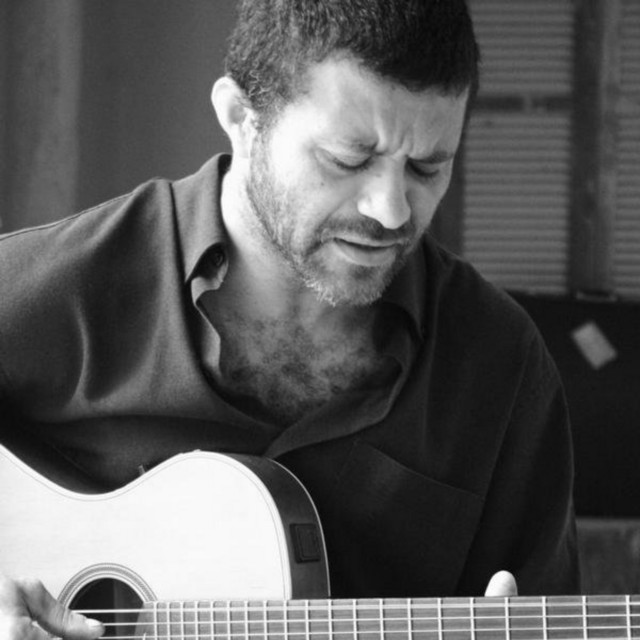


About Góspel sertanejo
Góspel sertanejo is a Brazilian musical fusion that blends the rustic, guitar-driven sensibility of sertanejo with the devotional, faith-centered core of gospel music. It sits at an intersection where the spiritual language of worship meets the storytelling and melodic craftsmanship that characterize Brazil’s most popular rural genres. The result is songs that feel both intimate and anthemic, able to accompany quiet reflection as well as large, congregational sing-alongs.
Origins and evolution
The genre began to take shape in the late 1990s and early 2000s, as Christian musicians in Brazil absorbed the already thriving sertanejo sound—rooted in the rural interior of the country—and began infusing it with gospel lyrics and worship-oriented production. This period saw churches, Christian radio stations, and independent labels encouraging artists to adapt the beloved chords, rhythms, and harmonies of sertanejo to themes of faith, grace, redemption, and perseverance. The approach often preserves sertanejo’s characteristic warmth, pastoral imagery, and melodic hooks, while steering the narrative toward spiritual experience and devotion.
Musical characteristics
Góspel sertanejo relies on instrumentation common to sertanejo and folk-leaning Brazilian music: acoustic guitars and viola caipira as foundational voices, supported by keyboards, bass, drums, and sometimes light percussion. In many arrangements you’ll hear tight vocal harmonies, call-and-response passages, and a production polish that makes the songs suitable for both intimate church gatherings and larger concert stages. Lyrically, the songs foreground faith, praise, and daily life through a lens of spiritual hope. Rural imagery—roads, fields, livestock, family, and community—serves as a metaphor for faith journeys, making the music resonate with listeners who connect gospel themes to their everyday landscapes.
Cultural footprint and audiences
Góspel sertanejo is most strongly rooted in Brazil, where sertanejo music has long been a soundtrack for rural life and, more recently, for urban youth through sertanejo universitário. It also reaches Portuguese-speaking audiences beyond Brazil—Portugal, Angola, and Mozambique—where shared language and cultural ties help fans connect with Brazilian gospel-infused sertanejo. In the age of streaming, social media, and live worship events, the genre finds new life outside traditional church walls, attracting listeners who enjoy the fusion of heartfelt worship with the instantly recognizable, sing-along quality of sertanejo melodies. Festivals, churches, and intimate concerts alike showcase the style, reinforcing a sense of community among fans and performers.
Ambassadors and representative voices
Within the scene, several artists have become notable reference points for góspel sertanejo, helping to popularize the fusion and bring it to broader audiences. One widely recognized name in Brazilian gospel music—regardless of strict subgenre boundaries—serves as an ambassador for the faith-centered, guitar-driven approach that góspel sertanejo embodies: a figure who demonstrates how worship can be expressed through the warmth and accessibility of sertanejo-inspired arrangements. Beyond specific names, the genre thrives on collaborations between gospel singers and sertanejo musicians, as well as on younger artists who push the sound toward fresh harmonies, contemporary production, and new lyrical perspectives.
In short, góspel sertanejo is a distinctly Brazilian creation: faith expressed through the beloved lens of sertanejo’s lyrical storytelling and melodic warmth. It invites listeners to come together in praise while staying rooted in the everyday, rural-fed imagery that has long defined Brazilian popular music. If you’d like, I can tailor this with a curated list of verified artists and representative tracks to highlight current ambassadors and landmark recordings.
Origins and evolution
The genre began to take shape in the late 1990s and early 2000s, as Christian musicians in Brazil absorbed the already thriving sertanejo sound—rooted in the rural interior of the country—and began infusing it with gospel lyrics and worship-oriented production. This period saw churches, Christian radio stations, and independent labels encouraging artists to adapt the beloved chords, rhythms, and harmonies of sertanejo to themes of faith, grace, redemption, and perseverance. The approach often preserves sertanejo’s characteristic warmth, pastoral imagery, and melodic hooks, while steering the narrative toward spiritual experience and devotion.
Musical characteristics
Góspel sertanejo relies on instrumentation common to sertanejo and folk-leaning Brazilian music: acoustic guitars and viola caipira as foundational voices, supported by keyboards, bass, drums, and sometimes light percussion. In many arrangements you’ll hear tight vocal harmonies, call-and-response passages, and a production polish that makes the songs suitable for both intimate church gatherings and larger concert stages. Lyrically, the songs foreground faith, praise, and daily life through a lens of spiritual hope. Rural imagery—roads, fields, livestock, family, and community—serves as a metaphor for faith journeys, making the music resonate with listeners who connect gospel themes to their everyday landscapes.
Cultural footprint and audiences
Góspel sertanejo is most strongly rooted in Brazil, where sertanejo music has long been a soundtrack for rural life and, more recently, for urban youth through sertanejo universitário. It also reaches Portuguese-speaking audiences beyond Brazil—Portugal, Angola, and Mozambique—where shared language and cultural ties help fans connect with Brazilian gospel-infused sertanejo. In the age of streaming, social media, and live worship events, the genre finds new life outside traditional church walls, attracting listeners who enjoy the fusion of heartfelt worship with the instantly recognizable, sing-along quality of sertanejo melodies. Festivals, churches, and intimate concerts alike showcase the style, reinforcing a sense of community among fans and performers.
Ambassadors and representative voices
Within the scene, several artists have become notable reference points for góspel sertanejo, helping to popularize the fusion and bring it to broader audiences. One widely recognized name in Brazilian gospel music—regardless of strict subgenre boundaries—serves as an ambassador for the faith-centered, guitar-driven approach that góspel sertanejo embodies: a figure who demonstrates how worship can be expressed through the warmth and accessibility of sertanejo-inspired arrangements. Beyond specific names, the genre thrives on collaborations between gospel singers and sertanejo musicians, as well as on younger artists who push the sound toward fresh harmonies, contemporary production, and new lyrical perspectives.
In short, góspel sertanejo is a distinctly Brazilian creation: faith expressed through the beloved lens of sertanejo’s lyrical storytelling and melodic warmth. It invites listeners to come together in praise while staying rooted in the everyday, rural-fed imagery that has long defined Brazilian popular music. If you’d like, I can tailor this with a curated list of verified artists and representative tracks to highlight current ambassadors and landmark recordings.