Genre
guaracha
Top Guaracha Artists
Showing 25 of 1,930 artists
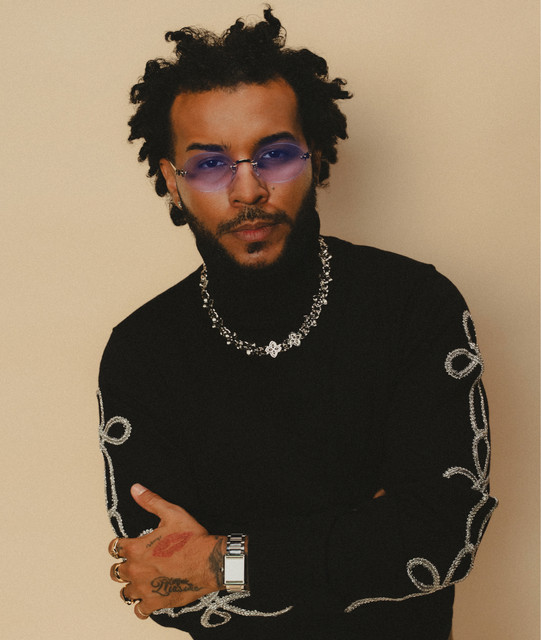

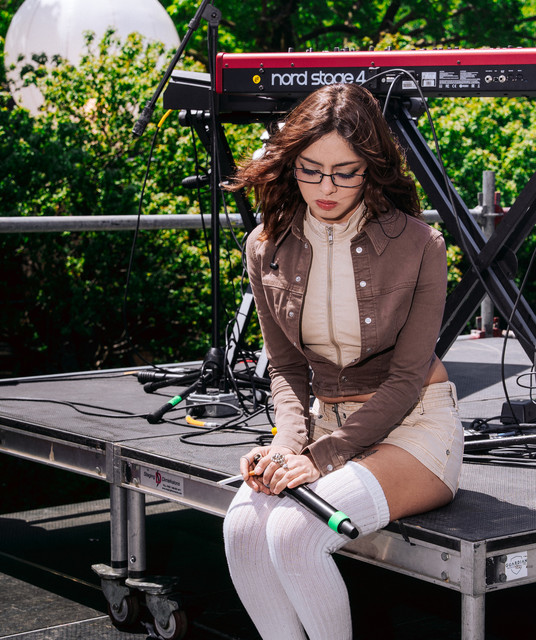






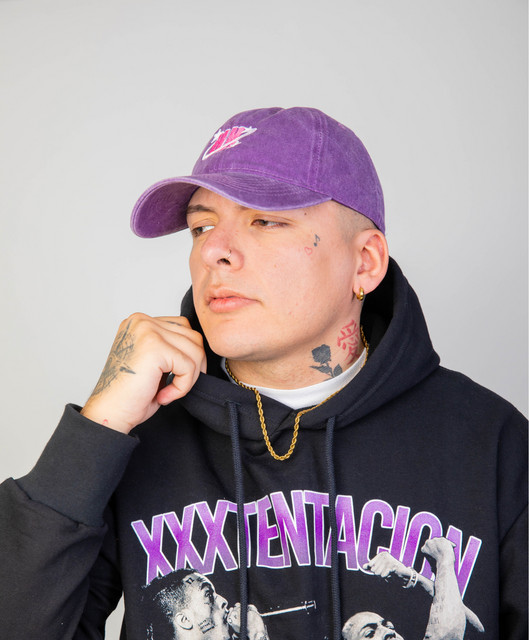




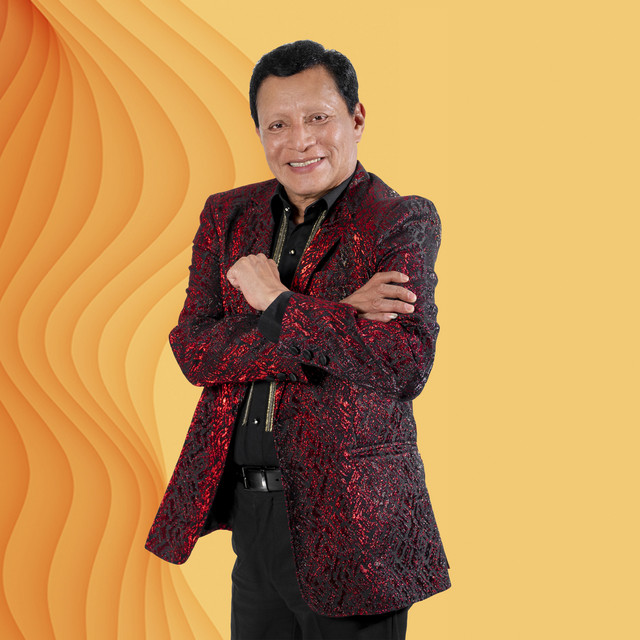









About Guaracha
Guaracha is a buoyant thread in Cuba’s popular dance music, a fast, witty form that has kept turning up in theatres, radios, and dance halls since the turn of the 20th century. Born in Havana’s vibrant street and cabaret culture, guaracha emerged from the mingling of Spanish song, Afro-Cuban percussion, and the theatrical vaudeville forms that delighted urban audiences. Early 1900s performances and recordings captured a tempo that fused brisk rhythms with flamboyant horn lines and shrewd, often risqué lyrics. It’s known for its rapid-fire patter, double entendre, and a sense of humor that could tilt between flirtation and satire.
Musically, guaracha is built for dance: tight montuno piano, punchy brass, congas and timbales prowling under a clave groove, and a vocalist who can deliver sly couplets with a wink. The form often thrives on multipart chorus, call-and-response, and playful improvisation in the instrumental breaks. In the big-band and small-ensemble eras, guaracha functioned as a bridge between Afro-C Cuban rhythms and the melodic song forms that fed into later salsa, mambo, and Latin jazz. The tempo tends to be high-energy, designed to propel dancers into quick footwork and lively spins.
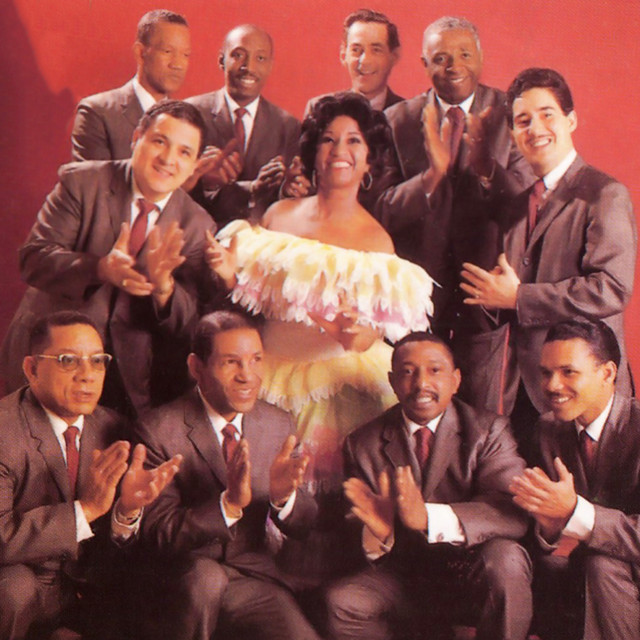
The genre’s golden age crystallized from the 1930s through the 1950s, when Havana clubs and New York’s Latin dance floors turned guaracha into a familiar staple. It traveled beyond Cuba’s shores, taking root in Mexico and across Latin America, where bands adapted it to local tastes while preserving its cheeky spirit. Notable ambassadors and key artists helped carry guaracha into the annals of Latin music history. Ignacio Piñeiro and his Septeto Nacional helped lay down some of the earliest sustained guaracha repertoire. Orquesta Aragon became synonymous with guaranteed high-energy guaracha performances. La Sonora Matancera, with a string of infectious numbers, helped bring Cuban guaracha sensibilities onto the wider Latin scene. In New York, Machito and his Afro-Cuban Orchestra fused guaracha fervor with big-band bravura, laying groundwork for Latin jazz’s explosion. Vocalists who became symbols of the era—Beny Moré, Celia Cruz, and others—brought the genre’s humor and swagger to a broader audience and left a lasting stamp on salsa and Latin pop.
Today, guaracha remains a cornerstone of traditional Cuban dance music and continues to color salsa and Latin jazz repertoires. It’s still cherished in Cuba, Mexico, Venezuela, and beyond, resonating on contemporary dance floors as a reminder of Cuba’s improvisatory, carnival-like approach to music. For the enthusiast, guaracha’s appeal lies in its speed, its wit, and its ability to swap between street-smart humor and sophisticated musicianship in a single breath.
Musically, guaracha is built for dance: tight montuno piano, punchy brass, congas and timbales prowling under a clave groove, and a vocalist who can deliver sly couplets with a wink. The form often thrives on multipart chorus, call-and-response, and playful improvisation in the instrumental breaks. In the big-band and small-ensemble eras, guaracha functioned as a bridge between Afro-C Cuban rhythms and the melodic song forms that fed into later salsa, mambo, and Latin jazz. The tempo tends to be high-energy, designed to propel dancers into quick footwork and lively spins.
The genre’s golden age crystallized from the 1930s through the 1950s, when Havana clubs and New York’s Latin dance floors turned guaracha into a familiar staple. It traveled beyond Cuba’s shores, taking root in Mexico and across Latin America, where bands adapted it to local tastes while preserving its cheeky spirit. Notable ambassadors and key artists helped carry guaracha into the annals of Latin music history. Ignacio Piñeiro and his Septeto Nacional helped lay down some of the earliest sustained guaracha repertoire. Orquesta Aragon became synonymous with guaranteed high-energy guaracha performances. La Sonora Matancera, with a string of infectious numbers, helped bring Cuban guaracha sensibilities onto the wider Latin scene. In New York, Machito and his Afro-Cuban Orchestra fused guaracha fervor with big-band bravura, laying groundwork for Latin jazz’s explosion. Vocalists who became symbols of the era—Beny Moré, Celia Cruz, and others—brought the genre’s humor and swagger to a broader audience and left a lasting stamp on salsa and Latin pop.
Today, guaracha remains a cornerstone of traditional Cuban dance music and continues to color salsa and Latin jazz repertoires. It’s still cherished in Cuba, Mexico, Venezuela, and beyond, resonating on contemporary dance floors as a reminder of Cuba’s improvisatory, carnival-like approach to music. For the enthusiast, guaracha’s appeal lies in its speed, its wit, and its ability to swap between street-smart humor and sophisticated musicianship in a single breath.