Genre
gufeng
Top Gufeng Artists
Showing 25 of 2,565 artists
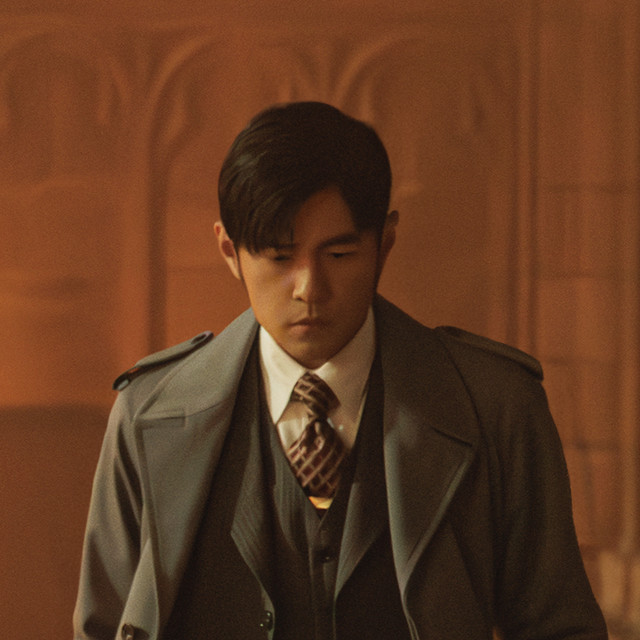
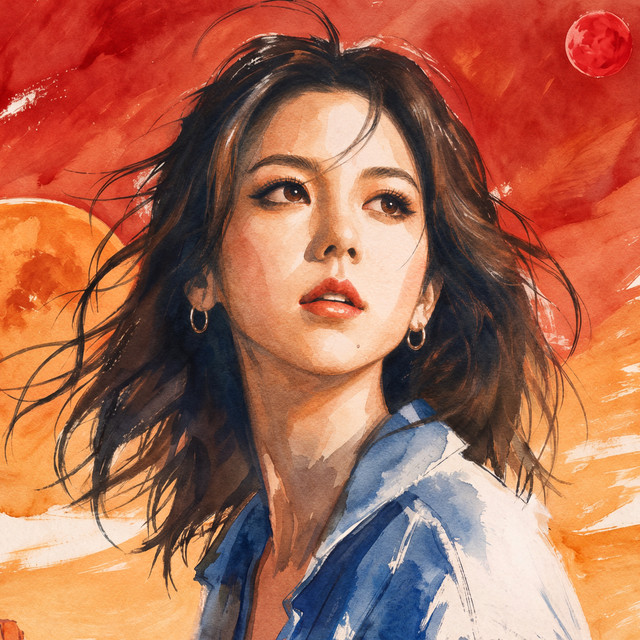
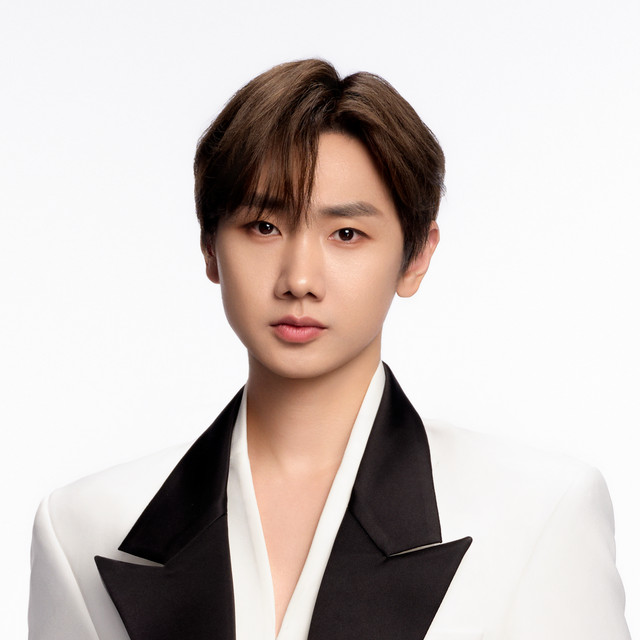
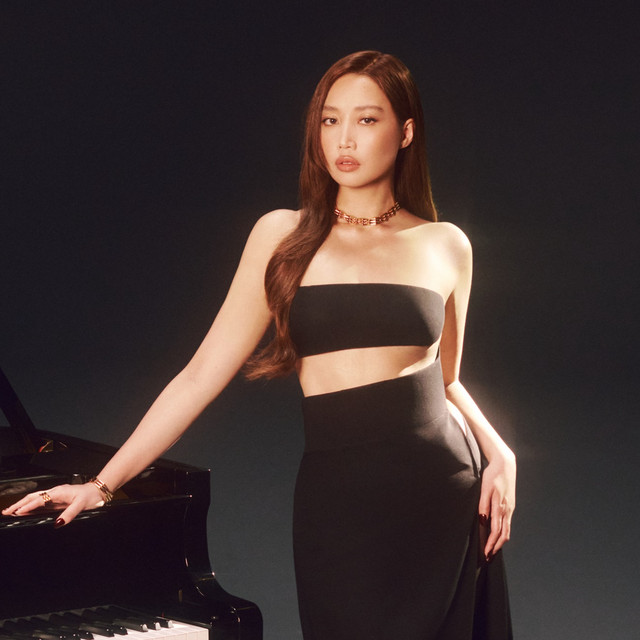
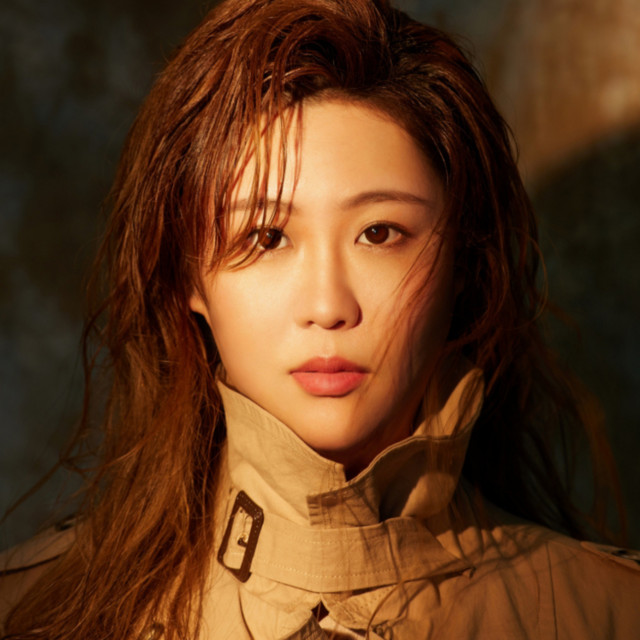
6
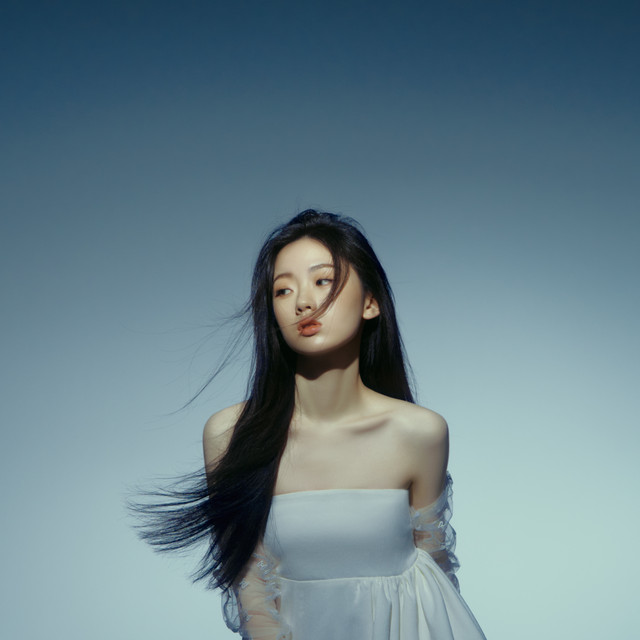
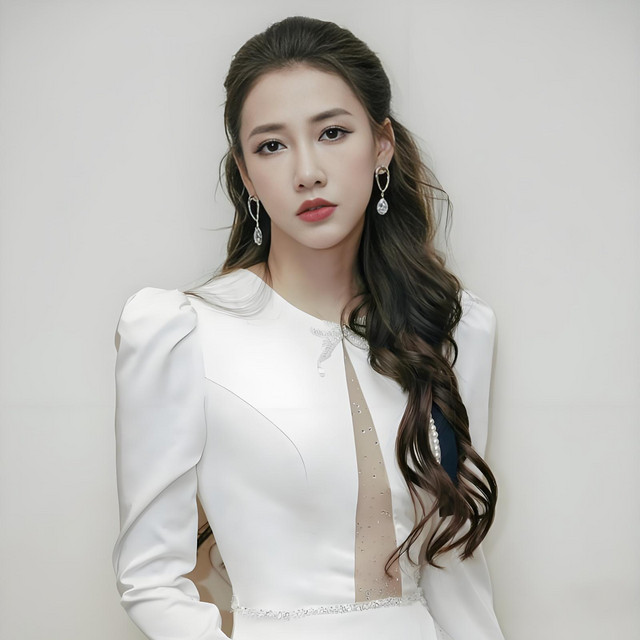
單依純
252,636
1.2 million listeners


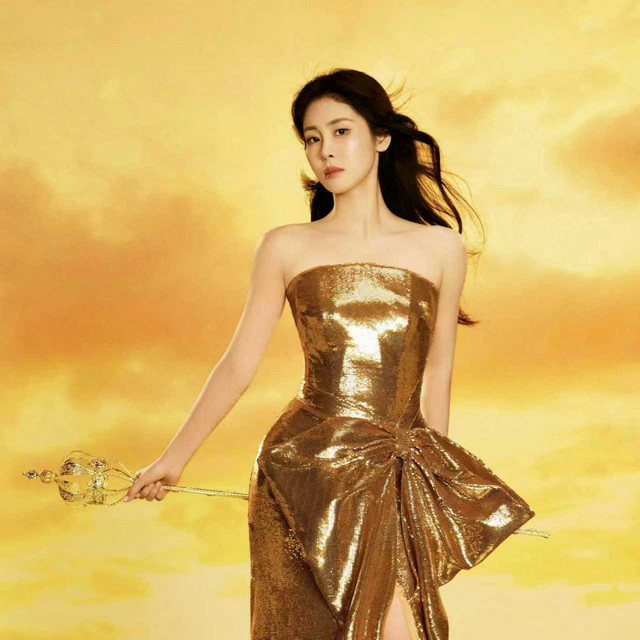

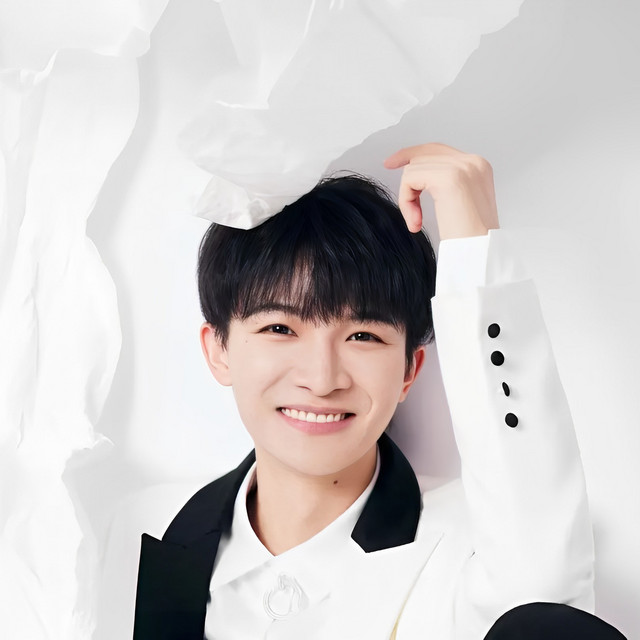


15
阿涵
104,638
681,358 listeners
17
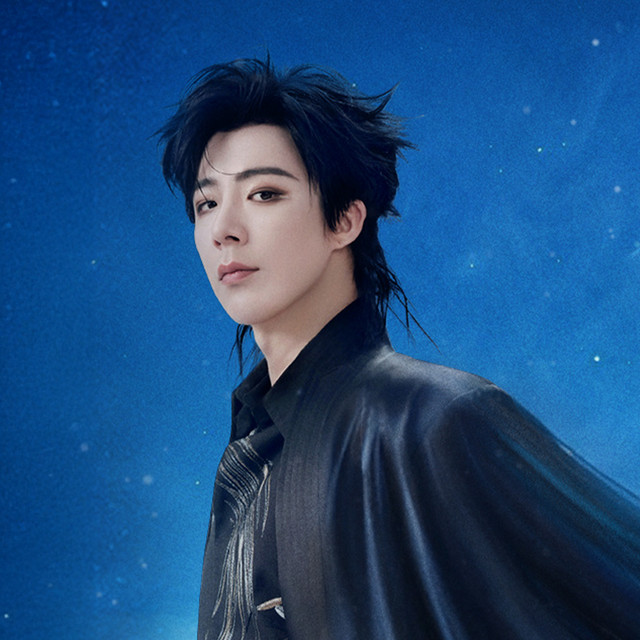
刘宇宁
171,698
661,524 listeners

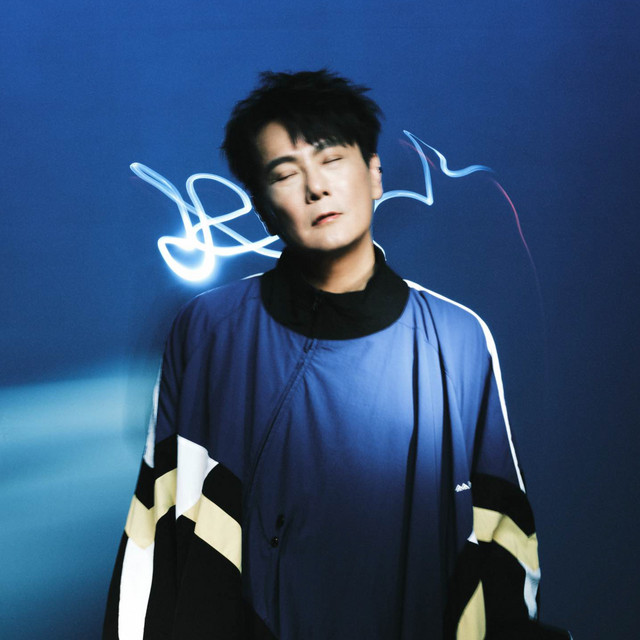

21

小阿七
137,531
612,809 listeners
22
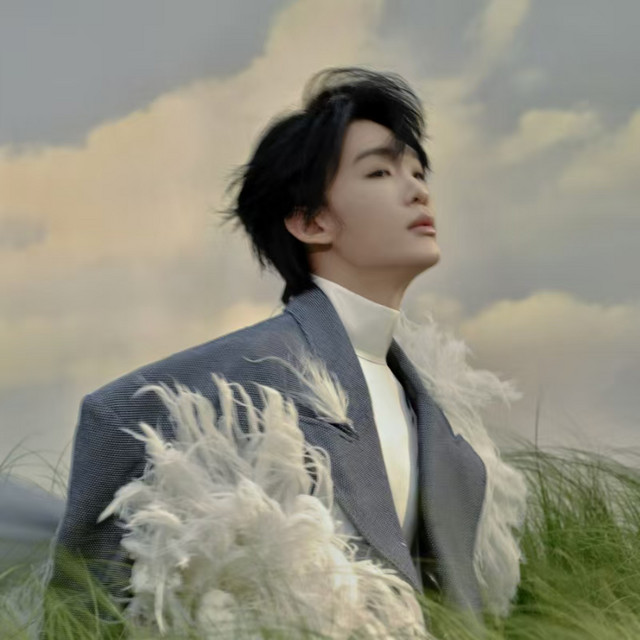
王赫野
71,520
599,330 listeners
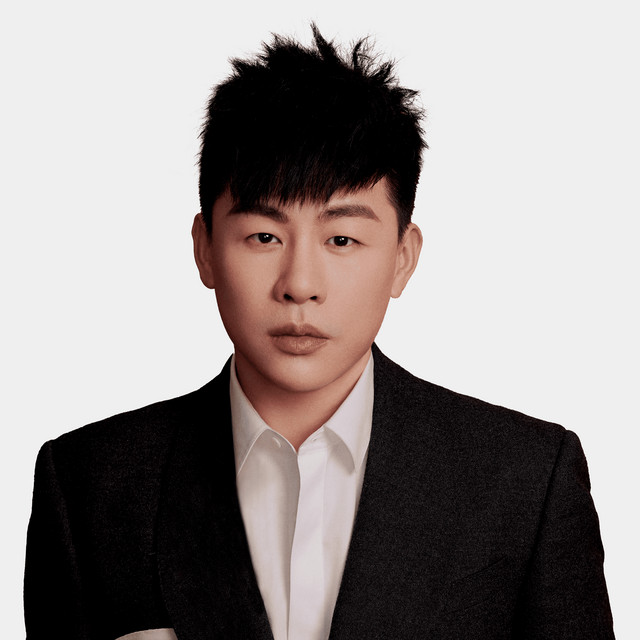

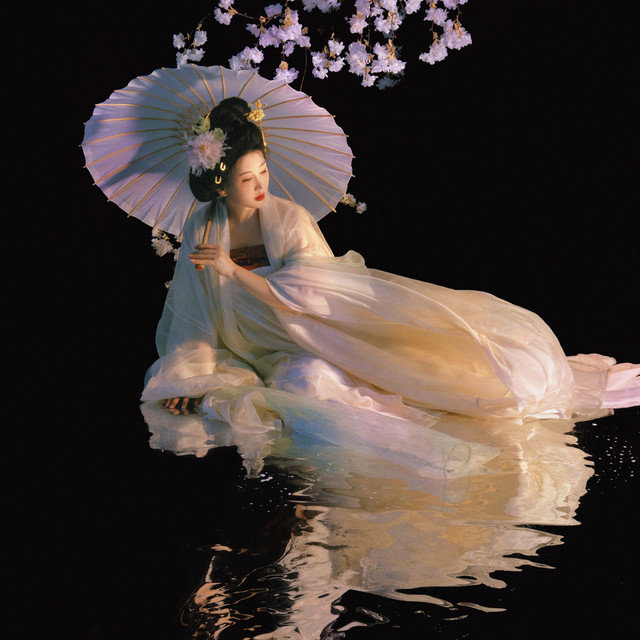
About Gufeng
Gufeng, short for gu/古风 (ancient style), is a music genre and aesthetic that attempts to evoke the moods, imagery, and textures of historic China. It isn’t limited to one sonic template; rather, it’s a flexible umbrella that sits at the crossroads of traditional Chinese instrumentation, classical poetry, wuxia and xianxia fantasy, and contemporary production. Core ingredients often include pentatonic melodies, modes drawn from ancient Chinese scales, and instruments such as the guqin, erhu, pipa, dizi, guzheng, and sheng, blended with modern textures like ambient pads, piano, acoustic guitar, folk textures, and subtle electronic percussion. The result is music that feels at once timeless and modern, intimate and cinematic, lyrical and instrumental.
Origin and development
Gufeng began to crystallize on the Chinese internet in the late 2000s and early 2010s, as listeners and independent producers combined traditional cultural references with DIY recording techniques. Enthusiasts uploaded fresh takes on old poems, set courtly or legendary imagery to contemporary arrangements, and shared them on platforms like YouTube, Niconico, and later Chinese streaming services. The scene was nourished by fan-made videos, game and anime crossovers, and a steady stream of new compositions that treated ancient themes—mountains, moonlit rivers, scholars, immortals, and legendary battles—as emotional blueprints for modern soundscapes. Over the past decade, gufeng has matured into a recognized subgenre with its own vocal styles, production norms, and cultural reach.
Sound and mood
Gufeng songs tend to foreground storytelling, lyricism, and mood over sheer virtuosic display. Melodies are often intimate, reflective, and spacious, inviting a listener into a painted scene rather than a straightforward hook. The instrumentation leans on traditional timbres—lush erhu lines, guqin plucks, sweeping guzheng arpeggios, and delicate dizi runs—while bass, reverb, and gentle electronics provide a contemporary frame. Vocals can be airy and lilting, carrying poetry-inspired lyrics drawn from classical verses or new texts that mimic ancient style. Thematic content frequently explores nostalgia for a mythic past, chivalric ideals, rivers-and-lakes lore, celestial beings, or the quiet beauty of landscapes under moonlight.
Ambassadors and key acts
In the contemporary gufeng scene, a few names are widely recognized for shaping and popularizing the genre. Yinqueshiting (音阙诗听) is a leading collective known for prolific output, lush production, and a broad catalog of gufeng tracks that helped define the modern sound. Shuang Sheng (双笙) is a celebrated vocalist whose performances and collaborations have become emblematic of gufeng’s vocal aesthetic. Other prominent vocalists associated with the style include Yin Lin (银临) and a broader generation of Chinese singers who rose through online platforms such as Bilibili, NetEase Cloud Music, and QQ Music, bringing gufeng to both online communities and wider listening audiences.
Global reach
Gufeng is most popular in Mainland China, Taiwan, Hong Kong, and among Chinese-speaking communities in Singapore, Malaysia, and overseas. Its aesthetic has also found interest beyond Chinese-speaking markets, appealing to listeners drawn to wuxia and fantasy themes, world-music enthusiasts, and fans of cinematic, atmospheric soundscapes. As streaming platforms grow and collaborations cross borders, gufeng continues to evolve—balancing reverence for tradition with experimentation in rhythm, texture, and vocal storytelling.
Origin and development
Gufeng began to crystallize on the Chinese internet in the late 2000s and early 2010s, as listeners and independent producers combined traditional cultural references with DIY recording techniques. Enthusiasts uploaded fresh takes on old poems, set courtly or legendary imagery to contemporary arrangements, and shared them on platforms like YouTube, Niconico, and later Chinese streaming services. The scene was nourished by fan-made videos, game and anime crossovers, and a steady stream of new compositions that treated ancient themes—mountains, moonlit rivers, scholars, immortals, and legendary battles—as emotional blueprints for modern soundscapes. Over the past decade, gufeng has matured into a recognized subgenre with its own vocal styles, production norms, and cultural reach.
Sound and mood
Gufeng songs tend to foreground storytelling, lyricism, and mood over sheer virtuosic display. Melodies are often intimate, reflective, and spacious, inviting a listener into a painted scene rather than a straightforward hook. The instrumentation leans on traditional timbres—lush erhu lines, guqin plucks, sweeping guzheng arpeggios, and delicate dizi runs—while bass, reverb, and gentle electronics provide a contemporary frame. Vocals can be airy and lilting, carrying poetry-inspired lyrics drawn from classical verses or new texts that mimic ancient style. Thematic content frequently explores nostalgia for a mythic past, chivalric ideals, rivers-and-lakes lore, celestial beings, or the quiet beauty of landscapes under moonlight.
Ambassadors and key acts
In the contemporary gufeng scene, a few names are widely recognized for shaping and popularizing the genre. Yinqueshiting (音阙诗听) is a leading collective known for prolific output, lush production, and a broad catalog of gufeng tracks that helped define the modern sound. Shuang Sheng (双笙) is a celebrated vocalist whose performances and collaborations have become emblematic of gufeng’s vocal aesthetic. Other prominent vocalists associated with the style include Yin Lin (银临) and a broader generation of Chinese singers who rose through online platforms such as Bilibili, NetEase Cloud Music, and QQ Music, bringing gufeng to both online communities and wider listening audiences.
Global reach
Gufeng is most popular in Mainland China, Taiwan, Hong Kong, and among Chinese-speaking communities in Singapore, Malaysia, and overseas. Its aesthetic has also found interest beyond Chinese-speaking markets, appealing to listeners drawn to wuxia and fantasy themes, world-music enthusiasts, and fans of cinematic, atmospheric soundscapes. As streaming platforms grow and collaborations cross borders, gufeng continues to evolve—balancing reverence for tradition with experimentation in rhythm, texture, and vocal storytelling.