Genre
gypsy jazz
Top Gypsy jazz Artists
Showing 25 of 31 artists







About Gypsy jazz
Gypsy jazz, also known as jazz manouche or gypsy swing, is a bright, acoustic offshoot of 20th‑century jazz that blends the swing era’s thirst for rhythm and improvisation with Romani melodies and sensibilities. It crystallized in and around Paris in the 1930s, born from the collaboration of two extraordinary musicians: Django Reinhardt, a Romani guitarist whose tone and velocity reshaped guitar playing, and Stéphane Grappelli, a virtuosic violinist with a luminous melodic instinct. Together they formed the Quintette du Hot Club de France in 1934, a groundbreaking ensemble that defined the core sound and vocabulary of the genre: crisp, intimate arrangements, sophisticated swing, and an unmistakable two-guitar-and-violin texture, often anchored by a roaming upright bass.
A defining feature of gypsy jazz is its acoustic, drum-free rhythmic engine. The often two‑guitar “la pompe” rhythm, a percussive, bass-driven strumming pattern, keeps time with a dancer’s pulse and a bandleader’s punch. Guitars—frequently Selmer‑Maccaferri models in Django’s era—carry both rhythm and high‑velocity soloing, while the violin weaves lyrical, soaring lines above the chorus of arpeggios and double-stops. The repertoire treads between Django Reinhardt’s own compositions—such as Minor Swing, Nuages, and Swing 42—and standards refracted through a gypsy lens: improvisational fireworks, intricate chord substitutions, and a playful, almost vocal sense of storytelling.
From its Parisian birth, gypsy jazz spread across Europe and into the Americas, establishing robust scenes in France and beyond. France remains the spiritual home, with the annual Django Reinhardt Memorial Festival in Samois‑sur‑Seine serving as a touchstone for players and fans alike. The music has flourished in other European hubs—the Netherlands, Belgium, Germany, the United Kingdom, and Italy all host thriving gypsy jazz communities and festivals. In North America, cities with active scenes—New York, San Francisco, Montreal, and beyond—keep the tradition alive through clubs, jam sessions, and tribute concerts, often spotlighting the cross-pollination between traditional gypsy players and contemporary jazz improvisers.
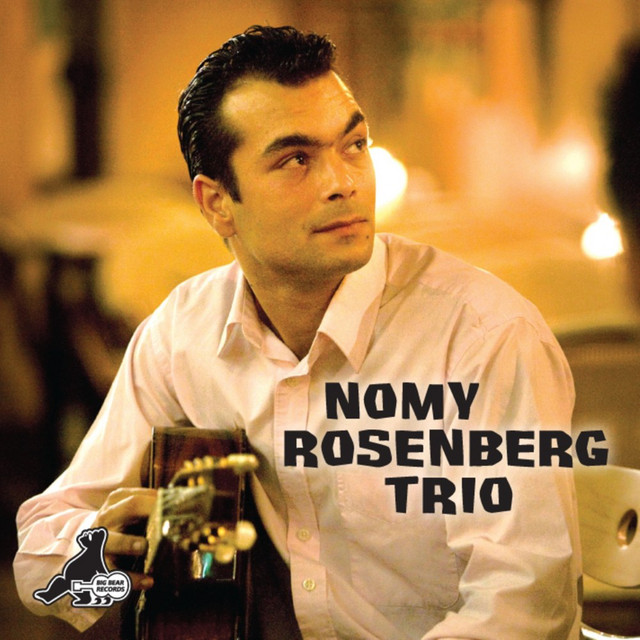
Beyond Django and Grappelli, the genre’s ambassadors have ranged far and wide. Notable figures who kept the flame burning include Biréli Lagrène, whose prodigious technique and genre‑blending albums helped bridge the old style with modern improvisation; the Rosenberg Trio (Stochelo Rosenberg with brothers Nonnie and Nous’Che) and their agile, sparkling strings; Tchavolo Schmitt, Dorado Schmitt, and the Ferre brothers Boulou and Elios from France and Belgium, who have carried the tradition forward with warmth and virtuosity. In recent decades, players like Joscho Stephan and Romane have attracted new audiences with dazzling repertoire and inventive interpretations, proving gypsy jazz's enduring appeal.
For enthusiasts, gypsy jazz is a living conversation between tradition and spontaneity. Its infectious swing, luminous melodies, and fearless guitar virtuosity make it instantly inviting, yet its improvisational depth rewards repeated listening. It is a genre where every note feels both a salute to the past and a challenge to the future.
A defining feature of gypsy jazz is its acoustic, drum-free rhythmic engine. The often two‑guitar “la pompe” rhythm, a percussive, bass-driven strumming pattern, keeps time with a dancer’s pulse and a bandleader’s punch. Guitars—frequently Selmer‑Maccaferri models in Django’s era—carry both rhythm and high‑velocity soloing, while the violin weaves lyrical, soaring lines above the chorus of arpeggios and double-stops. The repertoire treads between Django Reinhardt’s own compositions—such as Minor Swing, Nuages, and Swing 42—and standards refracted through a gypsy lens: improvisational fireworks, intricate chord substitutions, and a playful, almost vocal sense of storytelling.
From its Parisian birth, gypsy jazz spread across Europe and into the Americas, establishing robust scenes in France and beyond. France remains the spiritual home, with the annual Django Reinhardt Memorial Festival in Samois‑sur‑Seine serving as a touchstone for players and fans alike. The music has flourished in other European hubs—the Netherlands, Belgium, Germany, the United Kingdom, and Italy all host thriving gypsy jazz communities and festivals. In North America, cities with active scenes—New York, San Francisco, Montreal, and beyond—keep the tradition alive through clubs, jam sessions, and tribute concerts, often spotlighting the cross-pollination between traditional gypsy players and contemporary jazz improvisers.
Beyond Django and Grappelli, the genre’s ambassadors have ranged far and wide. Notable figures who kept the flame burning include Biréli Lagrène, whose prodigious technique and genre‑blending albums helped bridge the old style with modern improvisation; the Rosenberg Trio (Stochelo Rosenberg with brothers Nonnie and Nous’Che) and their agile, sparkling strings; Tchavolo Schmitt, Dorado Schmitt, and the Ferre brothers Boulou and Elios from France and Belgium, who have carried the tradition forward with warmth and virtuosity. In recent decades, players like Joscho Stephan and Romane have attracted new audiences with dazzling repertoire and inventive interpretations, proving gypsy jazz's enduring appeal.
For enthusiasts, gypsy jazz is a living conversation between tradition and spontaneity. Its infectious swing, luminous melodies, and fearless guitar virtuosity make it instantly inviting, yet its improvisational depth rewards repeated listening. It is a genre where every note feels both a salute to the past and a challenge to the future.