Genre
haitian traditional
Top Haitian traditional Artists
Showing 25 of 26 artists


About Haitian traditional
Haitian traditional music is the living soundscape of a nation whose history blends African, European, and Caribbean influences. It thrives in villages and towns alike, traveling through streets, markets, churches, and Vodou temples. At its core, this tradition is communal, ritual, and deeply tied to memory—songs and rhythms passed down through generations, often learned by ear and shared in a live, participatory setting.
The genre did not spring from a single moment but grew through a long creolization process that began with the African rhythms carried by enslaved people and mingled with French, Spanish, and Haitian Creole musical practices. Over the 18th and 19th centuries, ceremonies, work songs, religious observances, and community gatherings contributed to a diverse repertoire. Among the best-known strands within Haitian traditional music is rara, a street-based music that comes alive during Easter Week with outdoor processions, masked performers, and a soundscape built from percussion, portable brass-like horns, and call-and-response vocals. Rara bands often march through neighborhoods, turning the city into a moving stage and turning public space into a sanctuary for ritual and social commentary.
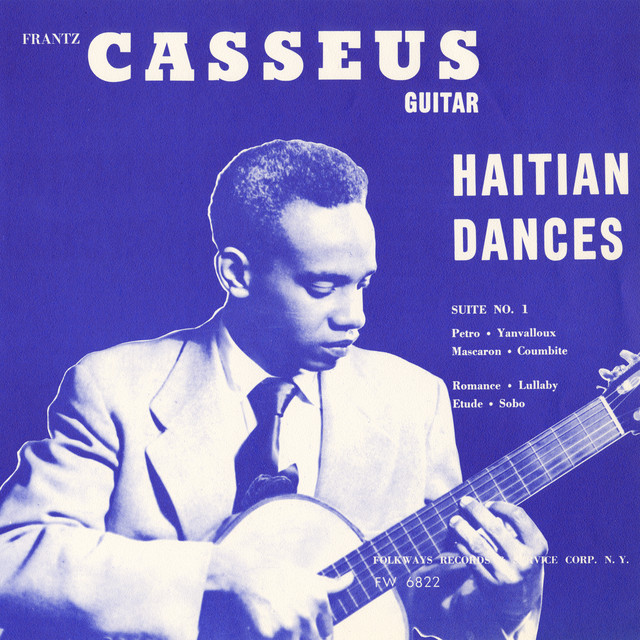
Twoubadou, another long-standing form, centers on intimate, guitar-led storytelling. Played in cafés and spare rooms across towns, twoubadou blends folk tunes with Caribbean and Latin inflections, carried by the warm timbres of nylon guitars, hand percussion, and resonant vocals. These forms have traditionally been performed by itinerant musicians and family groups, who kept songs alive during times when outside opportunity was limited, thus preserving a distinctly Haitian voice that remains legible to contemporary listeners.
The sound of Haitian traditional music is defined as much by rhythm and call-and-response as by instrumentation. Polyrhythms underpin many pieces, with layered percussion driving the groove while vocals weave a narrative or invocations. Percussion often relies on locally built drums, gourds, rattles, and metal horns—especially in rara—producing a lively, penetrating texture that can fill streets and houses with sound. The music’s tempo can swing from joyous and celebratory to solemn and ceremonial, reflecting the moods of the community and the occasions that frame performances, from festivals to ritual rites.
Key artists and ambassadors help keep this tradition alive. Toto Bissainthe is celebrated for her deep interpre- tation of Haitian folk and Vodou-inflected songs, whose recordings and performances captured the soul of traditional Haitian music for a wide audience. Boukan Ginen, a well-known roots ensemble, has been instrumental in reviving and reframing Haiti’s traditional sounds for new generations, often incorporating social and political themes that resonate with the country’s history. In the diaspora, Haitian traditional music travels far beyond Port-au-Prince: ensembles and soloists perform in Europe, North America, and the Caribbean, carrying the genre to festivals, cultural centers, and university programs.
In terms of geography and popularity, Haitian traditional music remains most vibrant in Haiti and among Haitian communities abroad. The United States (notably New York and Florida), Canada (especially Montreal), and France host sizable audiences and cultural events where rara processions, Vodou ceremonies, and folk-influenced performances are presented to eager crowds. France and the Dominican Republic, with their close cultural ties and shared histories, also reflect a strong interest in these traditional forms.
For music enthusiasts, Haitian traditional offers a gateway into a world where history, ritual, and collective memory coalesce into powerful, danceable, and deeply human music. It is both a repository of Haiti’s cultural past and a living, evolving practice that continues to shape the country’s sonic identity today.
The genre did not spring from a single moment but grew through a long creolization process that began with the African rhythms carried by enslaved people and mingled with French, Spanish, and Haitian Creole musical practices. Over the 18th and 19th centuries, ceremonies, work songs, religious observances, and community gatherings contributed to a diverse repertoire. Among the best-known strands within Haitian traditional music is rara, a street-based music that comes alive during Easter Week with outdoor processions, masked performers, and a soundscape built from percussion, portable brass-like horns, and call-and-response vocals. Rara bands often march through neighborhoods, turning the city into a moving stage and turning public space into a sanctuary for ritual and social commentary.
Twoubadou, another long-standing form, centers on intimate, guitar-led storytelling. Played in cafés and spare rooms across towns, twoubadou blends folk tunes with Caribbean and Latin inflections, carried by the warm timbres of nylon guitars, hand percussion, and resonant vocals. These forms have traditionally been performed by itinerant musicians and family groups, who kept songs alive during times when outside opportunity was limited, thus preserving a distinctly Haitian voice that remains legible to contemporary listeners.
The sound of Haitian traditional music is defined as much by rhythm and call-and-response as by instrumentation. Polyrhythms underpin many pieces, with layered percussion driving the groove while vocals weave a narrative or invocations. Percussion often relies on locally built drums, gourds, rattles, and metal horns—especially in rara—producing a lively, penetrating texture that can fill streets and houses with sound. The music’s tempo can swing from joyous and celebratory to solemn and ceremonial, reflecting the moods of the community and the occasions that frame performances, from festivals to ritual rites.
Key artists and ambassadors help keep this tradition alive. Toto Bissainthe is celebrated for her deep interpre- tation of Haitian folk and Vodou-inflected songs, whose recordings and performances captured the soul of traditional Haitian music for a wide audience. Boukan Ginen, a well-known roots ensemble, has been instrumental in reviving and reframing Haiti’s traditional sounds for new generations, often incorporating social and political themes that resonate with the country’s history. In the diaspora, Haitian traditional music travels far beyond Port-au-Prince: ensembles and soloists perform in Europe, North America, and the Caribbean, carrying the genre to festivals, cultural centers, and university programs.
In terms of geography and popularity, Haitian traditional music remains most vibrant in Haiti and among Haitian communities abroad. The United States (notably New York and Florida), Canada (especially Montreal), and France host sizable audiences and cultural events where rara processions, Vodou ceremonies, and folk-influenced performances are presented to eager crowds. France and the Dominican Republic, with their close cultural ties and shared histories, also reflect a strong interest in these traditional forms.
For music enthusiasts, Haitian traditional offers a gateway into a world where history, ritual, and collective memory coalesce into powerful, danceable, and deeply human music. It is both a repository of Haiti’s cultural past and a living, evolving practice that continues to shape the country’s sonic identity today.