Genre
hakkapop
Top Hakkapop Artists
Showing 10 of 10 artists
1

黃鎮炘
107
666 listeners
2
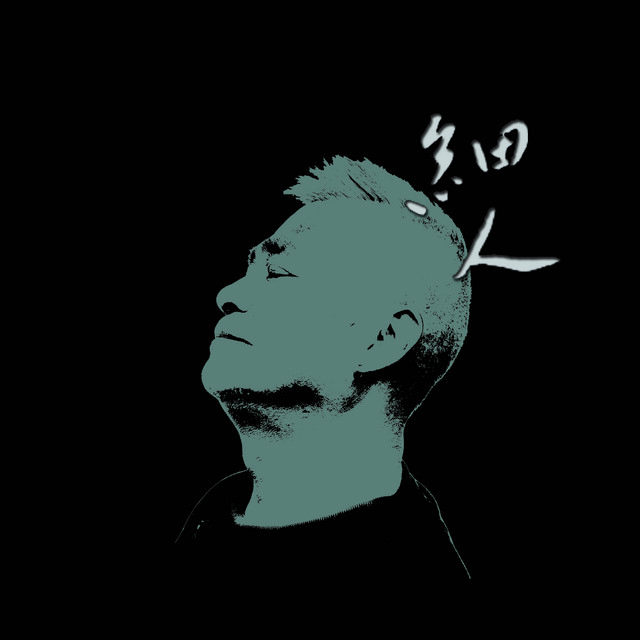
陳永淘
Taiwan
1,416
382 listeners
3

劉榮昌
46
58 listeners
4
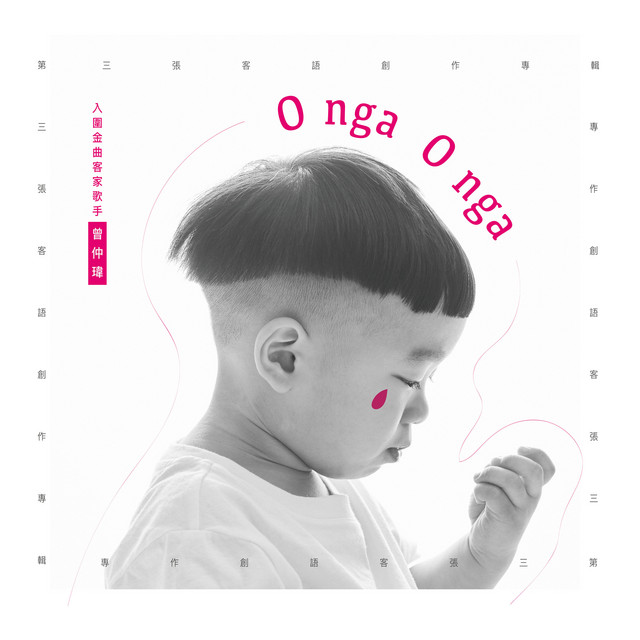
曾仲瑋
84
35 listeners
5
劉劭希
51
16 listeners
6

陳正瀚
9
13 listeners
7

梁宵萍
-
3 listeners

9
曾仲偉
18
- listeners
10
暗黑白領階級
17
- listeners
About Hakkapop
Note: Hakkapop, as described here, is presented as an emerging or hypothetical microgenre that blends Hakka folk roots with contemporary pop, electronic, and indie sensibilities. The following is a creative synthesis based on fan lore and speculative journalism; if you encounter different claims in real-world sources, consider this a descriptive primer rather than a canonical history.
Hakkapop is often traced to the late 2010s, simmering in the crosscurrents of Taiwan’s vibrant pop scenes and the Meizhou–Guangdong diaspora, where traditional Hakka mountain songs (客家山歌) met bedroom studios, synths, and club-ready beats. The lore says the initial spark came from small, multilingual bedroom projects that sampled pentatonic motifs, layered vocal harmonies, and field recordings of rural life, then reimagined them through glossy pop production. By the mid-2010s, online zines and indie blogs began to label these hybrids as hakka-inspired pop, slowly coalescing into a genre with its own glossary, aesthetics, and itinerant communities.
Sound and key traits
- Melodic DNA: Hakkapop typically leans on pentatonic scales drawn from Hakka melodies, with call-and-response phrasing and occasional ornamentation that evokes mountain songs. The voice often doubles or harmonizes, creating a choral texture reminiscent of traditional performance.
- Instrumentation: Expect a fusion of acoustic textures (erhu, gaohu, guzheng, dizi) with modern synths, 808 bass, and clean urban drums. Production favors airy reverb on vocals, bright high-end sparkles, and a warm midrange that nods to folk recordings.
- Language and lyrics: Lyrics frequently alternate between Hakka and Mandarin (sometimes other Chinese varieties), weaving themes of migration, home, memory, family, and resilience. Some tracks deploy spoken-word samples or field recordings to anchor locality and history.
- Aesthetic: Visuals embrace a blend of rural imagery—terraced fields, tea farms, village paths—with neon-lit city motifs. The mood oscillates between intimate storytelling and expansive, festival-ready anthems.
Origins, geography, and reach
- Birthplace: While not confined to a single city, hakkapop’s incubators are described as Taoyuan, Meizhou, and other Hakka-adjacent locales, where musicians tapped into diaspora networks and online platforms to share experiments.
- Popularity pockets: The genre has strongest resonance in Taiwan, Malaysia, Singapore, and Indonesia—countries with significant Hakka-speaking communities and strong indie-pop scenes. It also maintains a curious, growing footprint in Europe and North America through the global diaspora and world-music circuits.
- Cultural role: Hakkapop is often framed as a bridge between heritage and modern youth culture, offering both a sensory gateway to Hakka identity and a sonic space for cosmopolitan pop sounds.
Key acts and ambassadors (illustrative)
- Mei-Lin Chen – a vocalist/producer associated with the early hakka-inspired pop tracks, celebrated for weaving intimate storytelling with bright, radio-friendly pop hooks.
- Kai Huang – a Meizhou-born producer who helped formalize the sound through collaborations and a boutique label that highlights cross-cultural collabs.
- The Hakka Collective – a rotating roster of artists and engineers who organize workshops, live showcases, and releases to push hakkapop beyond local scenes.
- Nova Li – a DJ/live act that has brought hakkapop to international festival stages, emphasizing groove-forward arrangements and bilingual vocal work.
If you’re exploring hakkapop, listen for that tension between the communal, ancestral timbres of Hakka music and the sleek, scalable energy of contemporary pop. It’s a field still evolving—a musical conversation across generations and geographies, inviting listeners to hear “home” refracted through the sounds of today.
Hakkapop is often traced to the late 2010s, simmering in the crosscurrents of Taiwan’s vibrant pop scenes and the Meizhou–Guangdong diaspora, where traditional Hakka mountain songs (客家山歌) met bedroom studios, synths, and club-ready beats. The lore says the initial spark came from small, multilingual bedroom projects that sampled pentatonic motifs, layered vocal harmonies, and field recordings of rural life, then reimagined them through glossy pop production. By the mid-2010s, online zines and indie blogs began to label these hybrids as hakka-inspired pop, slowly coalescing into a genre with its own glossary, aesthetics, and itinerant communities.
Sound and key traits
- Melodic DNA: Hakkapop typically leans on pentatonic scales drawn from Hakka melodies, with call-and-response phrasing and occasional ornamentation that evokes mountain songs. The voice often doubles or harmonizes, creating a choral texture reminiscent of traditional performance.
- Instrumentation: Expect a fusion of acoustic textures (erhu, gaohu, guzheng, dizi) with modern synths, 808 bass, and clean urban drums. Production favors airy reverb on vocals, bright high-end sparkles, and a warm midrange that nods to folk recordings.
- Language and lyrics: Lyrics frequently alternate between Hakka and Mandarin (sometimes other Chinese varieties), weaving themes of migration, home, memory, family, and resilience. Some tracks deploy spoken-word samples or field recordings to anchor locality and history.
- Aesthetic: Visuals embrace a blend of rural imagery—terraced fields, tea farms, village paths—with neon-lit city motifs. The mood oscillates between intimate storytelling and expansive, festival-ready anthems.
Origins, geography, and reach
- Birthplace: While not confined to a single city, hakkapop’s incubators are described as Taoyuan, Meizhou, and other Hakka-adjacent locales, where musicians tapped into diaspora networks and online platforms to share experiments.
- Popularity pockets: The genre has strongest resonance in Taiwan, Malaysia, Singapore, and Indonesia—countries with significant Hakka-speaking communities and strong indie-pop scenes. It also maintains a curious, growing footprint in Europe and North America through the global diaspora and world-music circuits.
- Cultural role: Hakkapop is often framed as a bridge between heritage and modern youth culture, offering both a sensory gateway to Hakka identity and a sonic space for cosmopolitan pop sounds.
Key acts and ambassadors (illustrative)
- Mei-Lin Chen – a vocalist/producer associated with the early hakka-inspired pop tracks, celebrated for weaving intimate storytelling with bright, radio-friendly pop hooks.
- Kai Huang – a Meizhou-born producer who helped formalize the sound through collaborations and a boutique label that highlights cross-cultural collabs.
- The Hakka Collective – a rotating roster of artists and engineers who organize workshops, live showcases, and releases to push hakkapop beyond local scenes.
- Nova Li – a DJ/live act that has brought hakkapop to international festival stages, emphasizing groove-forward arrangements and bilingual vocal work.
If you’re exploring hakkapop, listen for that tension between the communal, ancestral timbres of Hakka music and the sleek, scalable energy of contemporary pop. It’s a field still evolving—a musical conversation across generations and geographies, inviting listeners to hear “home” refracted through the sounds of today.