Genre
halloween
Top Halloween Artists
Showing 25 of 114 artists









About Halloween
Halloween, as a music category, is less a rigid style and more a seasonal mood—an umbrella that gathers spooky atmospheres, cinematic suspense, and pop culture horror into one listening experience. It thrives in late October but reverberates year-round in film scores, electronic experiments, gothic rock, and the haunted-house circuits that turn sound into sensation. For enthusiasts, Halloween music is a cross-genre conversation about atmosphere: the sting of a high string, the growl of a synth bass, the whisper of a theremin, the echo of a distant church organ, all choreographed to provoke a shiver and a smile in equal measure.
Origins and birth of the vibe
The lineage of Halloween music runs through the larger history of horror sound. Silent films and early horror cinema popularized eerie timbres—organ tones, whir of mechanical devices, and orchestral stabs that cue dread. The 1960s to the 1970s cemented the aesthetic in more concrete terms with landmark scores that treated fear as music: Psycho (Bernard Herrmann) and The Exorcist (Lalo Schifrin’s era) showcased how strings and sound design could manufacture panic. The modern blueprint for Halloween sound arrives with John Carpenter’s 1978 score for his own film, a lean, pulsing synth suite that proved you could sculpt fear with one memorable motif and spartan electronics. Carpenter’s theme—simple, spider-webbed in its rhythm—became a blueprint for countless imitators and a yearly ritual for fans.
Cultural ambassadors and touchstones
- John Carpenter: The archetype of horror-score moodcraft; his minimalist approach and use of synths inspired a generation of Halloween-minded composers and listeners.
- Danny Elfman: With The Nightmare Before Christmas and his broader film work, Elfman fused whimsy and menace in a way that became essential Halloween listening for many.
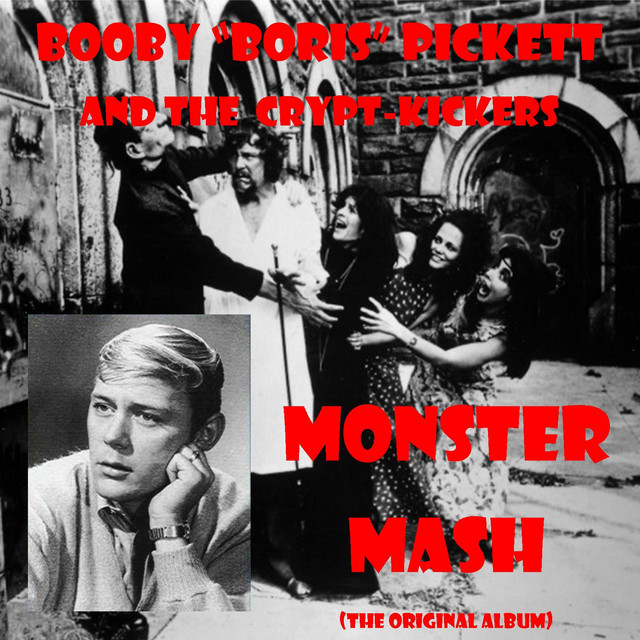
- Boris Pickett and the Monster Mash (1962): A playful, still-quoted Halloween staple that showed the genre can be infectious and campy as well as terrifying.
- Michael Jackson’s Thriller (1982): A pop milestone where horror aesthetics entered the mainstream, marrying cinema-style storytelling with a blockbuster track.
- Rob Zombie and Marilyn Manson: Champions of industrial-gothic horror-metal sensibilities that expanded Halloween’s metal and alternative audience.
- Contemporary synth-driven artists: Carpentert Brut, Perturbator, Kavinsky and other “hauntology”/retro-synth artists keep the synth-driven Halloween mood alive, especially in the late-night listening and party cultures.
Sound and aesthetics
Expect a spectrum: orchestral horror cues, minimalist synth motifs, haunting choral vox, ceremonial organ lines, and the ghostly timbre of theremin and tape effects. The best Halloween music balances nostalgia with forward drive—nostalgia for vintage horror films and 80s synths, plus an appetite for fresh textures that can function in a haunted house, a club, or a streaming playlist. It’s not just the major keys that fall away; it’s the sense of storytelling in sound—the feeling that every tone is a character in a nocturnal narrative.
Geography and reach
The United States and the United Kingdom remain epicenters due to long-standing Halloween traditions, film-score culture, and vibrant electronic/industrial scenes. Across Europe, Japan, and beyond, scores, soundtracks, and haunt culture cultivate a global audience. In the streaming era, seasonal playlists surge worldwide every October, turning regional composers and indie producers into ambassadors of a mood that transcends borders.
In short, Halloween music is a mood-first genre—an ever-evolving intersection of film score craft, electronic experimentation, and gothic pop that invites listeners to step into a night full of story, suspense, and wonder.
Key artists and tracks to explore
- John Carpenter – Halloween (1978) theme
- Danny Elfman – This Is Halloween (The Nightmare Before Christmas, 1993)
- Boris Pickett – Monster Mash (1962)
- Michael Jackson – Thriller (1982)
- Carpentert Brut, Perturbator, Kavinsky – contemporary synth-driven takes on the Halloween vibe
If you crave a season-long sonic ritual, seek a mix that toggles between cinema-sized suspense and intimate, minimalist dread—and you’ll hear why Halloween remains a defining, adaptable mood in music.
Origins and birth of the vibe
The lineage of Halloween music runs through the larger history of horror sound. Silent films and early horror cinema popularized eerie timbres—organ tones, whir of mechanical devices, and orchestral stabs that cue dread. The 1960s to the 1970s cemented the aesthetic in more concrete terms with landmark scores that treated fear as music: Psycho (Bernard Herrmann) and The Exorcist (Lalo Schifrin’s era) showcased how strings and sound design could manufacture panic. The modern blueprint for Halloween sound arrives with John Carpenter’s 1978 score for his own film, a lean, pulsing synth suite that proved you could sculpt fear with one memorable motif and spartan electronics. Carpenter’s theme—simple, spider-webbed in its rhythm—became a blueprint for countless imitators and a yearly ritual for fans.
Cultural ambassadors and touchstones
- John Carpenter: The archetype of horror-score moodcraft; his minimalist approach and use of synths inspired a generation of Halloween-minded composers and listeners.
- Danny Elfman: With The Nightmare Before Christmas and his broader film work, Elfman fused whimsy and menace in a way that became essential Halloween listening for many.
- Boris Pickett and the Monster Mash (1962): A playful, still-quoted Halloween staple that showed the genre can be infectious and campy as well as terrifying.
- Michael Jackson’s Thriller (1982): A pop milestone where horror aesthetics entered the mainstream, marrying cinema-style storytelling with a blockbuster track.
- Rob Zombie and Marilyn Manson: Champions of industrial-gothic horror-metal sensibilities that expanded Halloween’s metal and alternative audience.
- Contemporary synth-driven artists: Carpentert Brut, Perturbator, Kavinsky and other “hauntology”/retro-synth artists keep the synth-driven Halloween mood alive, especially in the late-night listening and party cultures.
Sound and aesthetics
Expect a spectrum: orchestral horror cues, minimalist synth motifs, haunting choral vox, ceremonial organ lines, and the ghostly timbre of theremin and tape effects. The best Halloween music balances nostalgia with forward drive—nostalgia for vintage horror films and 80s synths, plus an appetite for fresh textures that can function in a haunted house, a club, or a streaming playlist. It’s not just the major keys that fall away; it’s the sense of storytelling in sound—the feeling that every tone is a character in a nocturnal narrative.
Geography and reach
The United States and the United Kingdom remain epicenters due to long-standing Halloween traditions, film-score culture, and vibrant electronic/industrial scenes. Across Europe, Japan, and beyond, scores, soundtracks, and haunt culture cultivate a global audience. In the streaming era, seasonal playlists surge worldwide every October, turning regional composers and indie producers into ambassadors of a mood that transcends borders.
In short, Halloween music is a mood-first genre—an ever-evolving intersection of film score craft, electronic experimentation, and gothic pop that invites listeners to step into a night full of story, suspense, and wonder.
Key artists and tracks to explore
- John Carpenter – Halloween (1978) theme
- Danny Elfman – This Is Halloween (The Nightmare Before Christmas, 1993)
- Boris Pickett – Monster Mash (1962)
- Michael Jackson – Thriller (1982)
- Carpentert Brut, Perturbator, Kavinsky – contemporary synth-driven takes on the Halloween vibe
If you crave a season-long sonic ritual, seek a mix that toggles between cinema-sized suspense and intimate, minimalist dread—and you’ll hear why Halloween remains a defining, adaptable mood in music.