Genre
hammered dulcimer
Top Hammered dulcimer Artists
Showing 10 of 10 artists




About Hammered dulcimer
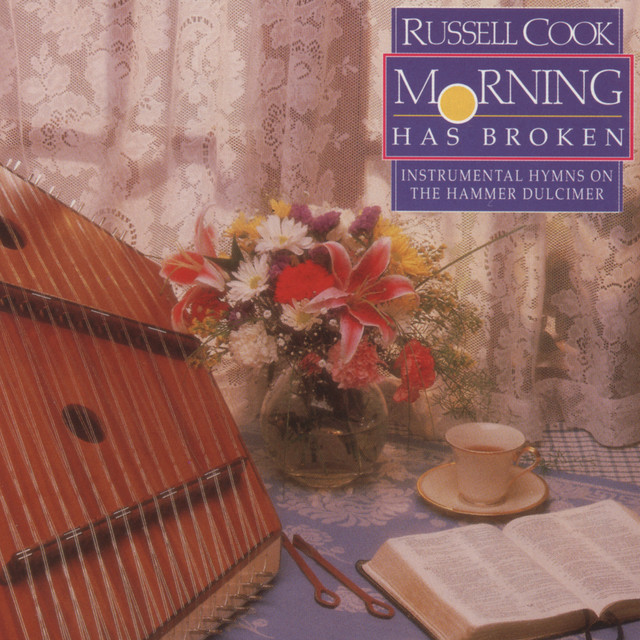
The hammered dulcimer is a bright, shimmering member of the zither family, shaped like a trapezoid and strung with dozens of metal strings. It is struck with two small mallets (hammers), one in each hand, producing a percussive, ringing tone that can sing, tremolo, or cut through a mix with a bell-like carriage. Its sound sits somewhere between plucked dulcimers and small steel percussion, with a quick attack and a sustain that can shimmer in a passage or drive a melody when pressed.
Origins and birth of the instrument
Hammers over strings have a long history, with ancestors seen in ancient zithers across the Near East and Europe. The modern hammering tradition is most closely associated with Central and Eastern Europe, where related instruments evolved into the cimbalom in Hungary and neighboring regions, and the santur in Iran and surrounding cultures. The “hammered dulcimer” name entered English-speaking contexts as the instrument was refined in the 18th, 19th, and 20th centuries. In Central Europe, the instrument became a staple in folk ensembles and later found a place in concert music. The American hammered dulcimer arrived with 19th-century immigrants from German, Austrian, and other Central European communities and quickly became a familiar parlor and folk instrument in the United States.
What makes the sound distinctive
The instrument’s timbre blends metallic brightness with a gentle, singing sustain. Players control tone via hammer attack, damper technique, and the instrument’s bridges and stance. Some hammered dulcimers are diatonic, tuned to a major scale and limited in chromatic passages; others include chromatic strings or additional notes to expand the tonal palette. The result is a flexible vehicle for melodic lines, counterpoint, or rhythm, capable of crisp articulations as well as lush, arpeggiated textures.
Ambassadors and key figures
In classical and concert music, the cimbalom (the Central European cousin of the hammered dulcimer) has served as a powerful ambassador for the family. One widely cited figure in this tradition is Zoltán Kodály, whose orchestral and folk-inflected works—such as the Háry János Suite and the Csárdás fashioning of Galánta—demonstrate the instrument’s dramatic and lyrical potential. In later 20th-century repertoire, composers who wrote for cimbalom helped push the instrument beyond folk context into contemporary concert music, expanding its solo and ensemble roles. The instrument has also found a place in world-music fusion and in film and television scores, where its bright tremolo can evoke Eastern European or pastoral atmospheres.
Geography and culture
The hammered dulcimer and its cognates are especially prominent in Hungary, Slovakia, the Czech Republic, Romania, and Ukraine, where regional folk ensembles have kept the instrument central to traditional soundscapes. Its relatives—the santur in Iran and parts of South Asia, and other regional hammered zithers—highlight the instrument family’s broad, cross-cultural reach. In the United States and Western Europe, it remains a favorite among folk enthusiasts, early-music interpreters, and modern experimentalists who blend ancient timbres with contemporary forms.
If you’re a music enthusiast, the hammered dulcimer offers a compelling bridge between ancient craft and modern sensibilities: a tactile, expressive instrument whose blend of percussive bite and mellifluous sustain can anchor a composition or carry a melodic line with electric immediacy.
Origins and birth of the instrument
Hammers over strings have a long history, with ancestors seen in ancient zithers across the Near East and Europe. The modern hammering tradition is most closely associated with Central and Eastern Europe, where related instruments evolved into the cimbalom in Hungary and neighboring regions, and the santur in Iran and surrounding cultures. The “hammered dulcimer” name entered English-speaking contexts as the instrument was refined in the 18th, 19th, and 20th centuries. In Central Europe, the instrument became a staple in folk ensembles and later found a place in concert music. The American hammered dulcimer arrived with 19th-century immigrants from German, Austrian, and other Central European communities and quickly became a familiar parlor and folk instrument in the United States.
What makes the sound distinctive
The instrument’s timbre blends metallic brightness with a gentle, singing sustain. Players control tone via hammer attack, damper technique, and the instrument’s bridges and stance. Some hammered dulcimers are diatonic, tuned to a major scale and limited in chromatic passages; others include chromatic strings or additional notes to expand the tonal palette. The result is a flexible vehicle for melodic lines, counterpoint, or rhythm, capable of crisp articulations as well as lush, arpeggiated textures.
Ambassadors and key figures
In classical and concert music, the cimbalom (the Central European cousin of the hammered dulcimer) has served as a powerful ambassador for the family. One widely cited figure in this tradition is Zoltán Kodály, whose orchestral and folk-inflected works—such as the Háry János Suite and the Csárdás fashioning of Galánta—demonstrate the instrument’s dramatic and lyrical potential. In later 20th-century repertoire, composers who wrote for cimbalom helped push the instrument beyond folk context into contemporary concert music, expanding its solo and ensemble roles. The instrument has also found a place in world-music fusion and in film and television scores, where its bright tremolo can evoke Eastern European or pastoral atmospheres.
Geography and culture
The hammered dulcimer and its cognates are especially prominent in Hungary, Slovakia, the Czech Republic, Romania, and Ukraine, where regional folk ensembles have kept the instrument central to traditional soundscapes. Its relatives—the santur in Iran and parts of South Asia, and other regional hammered zithers—highlight the instrument family’s broad, cross-cultural reach. In the United States and Western Europe, it remains a favorite among folk enthusiasts, early-music interpreters, and modern experimentalists who blend ancient timbres with contemporary forms.
If you’re a music enthusiast, the hammered dulcimer offers a compelling bridge between ancient craft and modern sensibilities: a tactile, expressive instrument whose blend of percussive bite and mellifluous sustain can anchor a composition or carry a melodic line with electric immediacy.