Genre
west coast rap
Top West coast rap Artists
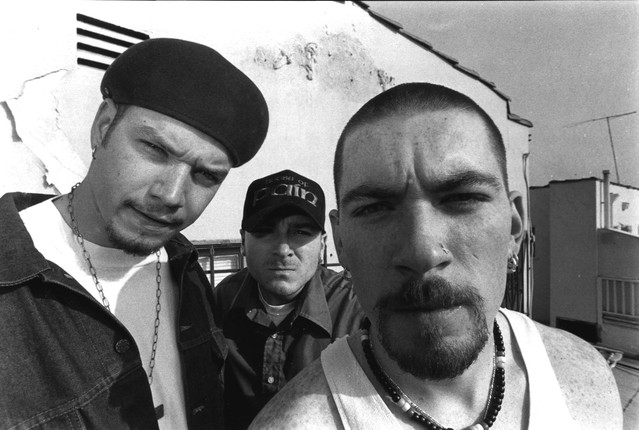
About West coast rap
West Coast rap, or West Coast hip hop, is a California-born family of sounds and attitudes that helped redefine hip hop in the late 1980s and 1990s. It emerged from the streets, clubs, and airwaves of cities like Los Angeles, Oakland, and the Bay Area, a scene that blended funk-infused production with a laid-back yet hard-edged vocal delivery. Its defining moments arrived as artists pushed both party-ready grooves and gritty, street-level storytelling to the forefront of popular music.
The genre’s birth is usually traced to a surge of West Coast innovation that followed the mid-1980s electro-rap experiments. Pioneering groups such as the World Class Wreckin’ Cru and, more decisively, N.W.A shattered expectations with stark, unapologetic narratives about life in urban America. N.W.A’s Straight Outta Compton (1988) popularized a direct, confrontational style that would come to be known as gangster rap. The late 1980s and early 1990s also saw the rise of The Chronic (1992) by Dr. Dre, a landmark album that crystallized a new sound: G-funk. Built on slick synthesizers, slow, simmering grooves, and heavy bass, G-funk fused funk samples with melodic hooks, creating a smoother counterpoint to the East Coast’s harder-edged drums.
Among the ambassadors who carried West Coast rap to the global stage were Dr. Dre, Ice Cube, and Snoop Doggy Dogg, who all helped bring the sound to MTV and radio. Dre’s production work on The Chronic and Dre’s later work with Snoop Dogg established a template that countless artists would follow. Ice Cube’s relentless storytelling and Snoop’s laid-back cadence expanded the genre’s emotional range, while Tupac Shakur—though born on the East Coast—became a defining West Coast voice during his LA years, bridging communities with a prolific, if controversial, catalog. On the independent and regional side, Bay Area rappers like Too Short and E-40 anchored a distinct flavor of West Coast rap—rawer, more club-ready, and lyrically inventive—while the late-1990s and early-2000s saw a thriving Hyphy era in the Bay with artists such as Keak da Sneak and Mac Dre pushing high-energy, party-forward instincts.
Sound-wise, West Coast rap is not a monolith. The early era leaned into hard-hitting, sample-heavy beats and street-level narratives, while G-funk brought a more melodic, synthesizer-driven mood. Lyrically, the genre has alternated between gritty realism, swagger, party anthems, and socially conscious commentaries. Producers like Dr. Dre, DJ Quik, and DJ Pooh became essential voices, crafting textures that defined the Californian soundscape for a generation.
Today, West Coast rap remains influential far beyond California. In the United States, it continues to echo through clubs and streaming playlists; abroad, it finds ardent audiences in the United Kingdom, Canada, Japan, Australia, and much of Europe, where the genre’s groove-driven production and storytelling reach fans of funk, soul, and hip hop alike. For enthusiasts, West Coast rap offers a storied history, a soundtrack to a coast, and a continuing invitation to explore how California’s street poetry met infectious rhythm and unforgettable hooks.
The genre’s birth is usually traced to a surge of West Coast innovation that followed the mid-1980s electro-rap experiments. Pioneering groups such as the World Class Wreckin’ Cru and, more decisively, N.W.A shattered expectations with stark, unapologetic narratives about life in urban America. N.W.A’s Straight Outta Compton (1988) popularized a direct, confrontational style that would come to be known as gangster rap. The late 1980s and early 1990s also saw the rise of The Chronic (1992) by Dr. Dre, a landmark album that crystallized a new sound: G-funk. Built on slick synthesizers, slow, simmering grooves, and heavy bass, G-funk fused funk samples with melodic hooks, creating a smoother counterpoint to the East Coast’s harder-edged drums.
Among the ambassadors who carried West Coast rap to the global stage were Dr. Dre, Ice Cube, and Snoop Doggy Dogg, who all helped bring the sound to MTV and radio. Dre’s production work on The Chronic and Dre’s later work with Snoop Dogg established a template that countless artists would follow. Ice Cube’s relentless storytelling and Snoop’s laid-back cadence expanded the genre’s emotional range, while Tupac Shakur—though born on the East Coast—became a defining West Coast voice during his LA years, bridging communities with a prolific, if controversial, catalog. On the independent and regional side, Bay Area rappers like Too Short and E-40 anchored a distinct flavor of West Coast rap—rawer, more club-ready, and lyrically inventive—while the late-1990s and early-2000s saw a thriving Hyphy era in the Bay with artists such as Keak da Sneak and Mac Dre pushing high-energy, party-forward instincts.
Sound-wise, West Coast rap is not a monolith. The early era leaned into hard-hitting, sample-heavy beats and street-level narratives, while G-funk brought a more melodic, synthesizer-driven mood. Lyrically, the genre has alternated between gritty realism, swagger, party anthems, and socially conscious commentaries. Producers like Dr. Dre, DJ Quik, and DJ Pooh became essential voices, crafting textures that defined the Californian soundscape for a generation.
Today, West Coast rap remains influential far beyond California. In the United States, it continues to echo through clubs and streaming playlists; abroad, it finds ardent audiences in the United Kingdom, Canada, Japan, Australia, and much of Europe, where the genre’s groove-driven production and storytelling reach fans of funk, soul, and hip hop alike. For enthusiasts, West Coast rap offers a storied history, a soundtrack to a coast, and a continuing invitation to explore how California’s street poetry met infectious rhythm and unforgettable hooks.