Genre
hardcore techno
Top Hardcore techno Artists
Showing 25 of 1,764 artists








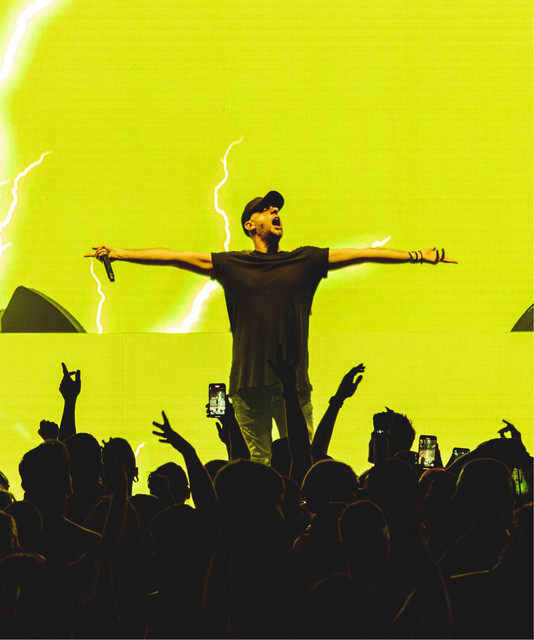
About Hardcore techno
Hardcore techno is one of the most relentlessly intense branches of electronic music, built on aggressive synths, distorted kicks, and tempo that refuses to quit. Born in the early 1990s from a collision of techno, house, and the riotous energy of late-90s rave culture, it found a fertile ground in the Netherlands and Germany, where clubbing and pirate radio pushed speed up and compression down until the sound cracked open.
The Netherlands—especially the Rotterdam scene—became a defining epicenter. Here the term gabber emerged to describe a louder, harder, more industrial take on hardcore, with marauding kick drums and hammering basslines that could shake a venue and the concrete beneath your feet. The UK and continental Europe soon caught on, but the Dutch and German crews still wield the genre as their most outspoken export. The sound rapidly spread across the continent, fueling a network of labels, promoters, and events that kept the tempo pushing upward.
Key ambassadors and early pioneers include Paul Elstak and Neophyte, who helped codify the raw, unrelenting ethos at the start of the decade. Rotterdam Terror Corps and other Dutch acts laid out a confrontational aesthetic—no gentleness, just sheer power. As the movement matured, a new generation of producers and DJs—Outblast, DJ Dano, The Speed Freak, and later Angerfist among others—carried the flag into the 2000s and beyond, expanding the reach with relentless touring, studio output, and memorable live shows. Angerfist, in particular, became a global figure in the 2000s, bridging the classic hardcore energy with contemporary club-ready production.
Musically, hardcore techno is defined by tempo and texture as much as attitude. Typical tempos range from roughly 160 to 190 BPM, with some tracks pushing higher into speedcore territory. The drums are punchy and distorted, the kick often layered for maximum impact, and the midrange often carries aggressive synth riffs or "hoover" textures borrowed from older rave timbres. Riffs can be snarling, eerie, or industrial, with samples drawn from sci‑fi, horror, or pop culture—anything that sharpens the sense of urgency in a club setting. The genre thrives on DJ rig energy and MC chatter that can ride across a mechanical, trance-friendly bounce.
Culturally, hardcore is a festival and clubland fixture in Europe and has a dedicated following worldwide. Lively events and labels—most notably Rotterdam Records and a network of imprints—built a global ecosystem that includes huge European festivals, nightclubs, and smaller underground parties where the sound remains raw. While the scene has fragmented into substyles (gabber, terror, speedcore, uptempo, and more), the core identity remains uncompromising: extreme tempo, brute power, and a DIY ethos.
If you crave music that tests your limits and takes you on a relentless, adrenaline-fueled ride, hardcore techno offers a catalog of tracks and a community that celebrates fearless sound, speed, and stamina. For enthusiasts, it’s a living conversation between tempo, texture, and community—an evolving dialogue that keeps the dancefloor honest.
The Netherlands—especially the Rotterdam scene—became a defining epicenter. Here the term gabber emerged to describe a louder, harder, more industrial take on hardcore, with marauding kick drums and hammering basslines that could shake a venue and the concrete beneath your feet. The UK and continental Europe soon caught on, but the Dutch and German crews still wield the genre as their most outspoken export. The sound rapidly spread across the continent, fueling a network of labels, promoters, and events that kept the tempo pushing upward.
Key ambassadors and early pioneers include Paul Elstak and Neophyte, who helped codify the raw, unrelenting ethos at the start of the decade. Rotterdam Terror Corps and other Dutch acts laid out a confrontational aesthetic—no gentleness, just sheer power. As the movement matured, a new generation of producers and DJs—Outblast, DJ Dano, The Speed Freak, and later Angerfist among others—carried the flag into the 2000s and beyond, expanding the reach with relentless touring, studio output, and memorable live shows. Angerfist, in particular, became a global figure in the 2000s, bridging the classic hardcore energy with contemporary club-ready production.
Musically, hardcore techno is defined by tempo and texture as much as attitude. Typical tempos range from roughly 160 to 190 BPM, with some tracks pushing higher into speedcore territory. The drums are punchy and distorted, the kick often layered for maximum impact, and the midrange often carries aggressive synth riffs or "hoover" textures borrowed from older rave timbres. Riffs can be snarling, eerie, or industrial, with samples drawn from sci‑fi, horror, or pop culture—anything that sharpens the sense of urgency in a club setting. The genre thrives on DJ rig energy and MC chatter that can ride across a mechanical, trance-friendly bounce.
Culturally, hardcore is a festival and clubland fixture in Europe and has a dedicated following worldwide. Lively events and labels—most notably Rotterdam Records and a network of imprints—built a global ecosystem that includes huge European festivals, nightclubs, and smaller underground parties where the sound remains raw. While the scene has fragmented into substyles (gabber, terror, speedcore, uptempo, and more), the core identity remains uncompromising: extreme tempo, brute power, and a DIY ethos.
If you crave music that tests your limits and takes you on a relentless, adrenaline-fueled ride, hardcore techno offers a catalog of tracks and a community that celebrates fearless sound, speed, and stamina. For enthusiasts, it’s a living conversation between tempo, texture, and community—an evolving dialogue that keeps the dancefloor honest.