Genre
canadian rock
Top Canadian rock Artists
Showing 25 of 52 artists



















About Canadian rock
Canadian rock is not a single, uniform sound but a wide panorama of styles that grew up across a vast country and still travels far beyond its borders. It spans early classic-rock punch, progressive virtuosity, arena-pop anthems, and intimate indie experiments. From the Prairies to the Atlantic coast, from Toronto’s clubs to Montreal’s indie scenes, Canadian rock has learned to blend sturdy hooks with muscular guitar work, while also embracing folk, punk, and art-rock textures. The result is a genre that can roar in stadiums one night and glow in intimate rooms the next.
The genre’s crystallization began in the late 1960s with bands like The Guess Who, who hailed from Winnipeg and broke into the global spotlight with hits such as American Woman (1969) and These Eyes. This era planted a template: punchy riffs, radio-friendly choruses, and a sense of confidence about Canada producing world-class rock. At the same time, landmark Canadian figures who would redefine the sound emerged around the same period. Neil Young, born in Toronto, became a crucial ambassador of Canadian rock through his prolific, genre-spanning career—from early folk-rock and electric explorations to rugged, timeless singer-songwriting. His willingness to push boundaries made him a touchstone for Canadian improvisation and sincerity.
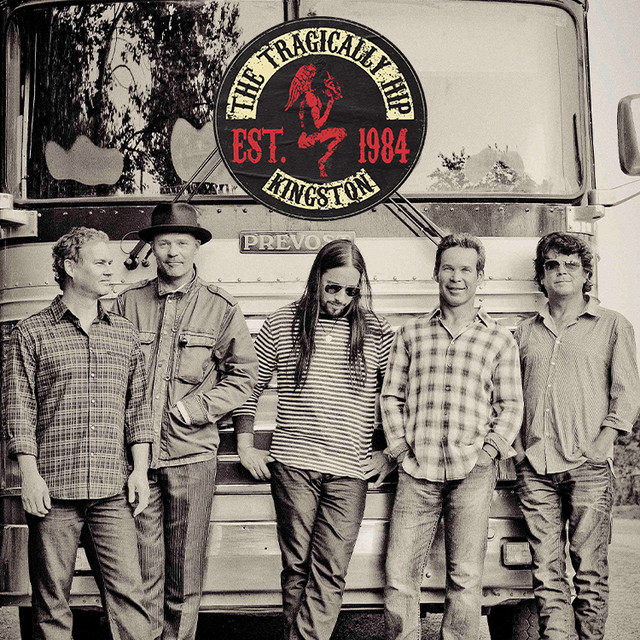
In the 1970s and 1980s, a new wave of bands pushed the genre toward increased sophistication and breadth. Rush, formed in Toronto in 1968, became the quintessential Canadian progressive rock act, marrying technical prowess with grand, concept-driven albums. Vancouver’s Loverboy and Bryan Adams brought a sleek, radio-ready arena rock that helped Canada stake a claim in the global rock marketplace. The Tragically Hip—an emblematic national band from Kingston—became the voice of a Canadian consciousness for millions of fans, delivering literate, gritty lyrics anchored in strong riffs and distinctive grooves.
The 1990s and 2000s expanded the landscape again. Our Lady Peace carried melodic optimism and a post-grunge edge, while Montreal’s Arcade Fire injected the scene with an expansive, orchestral indie-rock mood that won international acclaim and multiple Grammys. Halifax’s Sloan, Toronto’s Sum 41, and Vancouver’s Nickelback (a defining global arena act of the early 2000s) widened the spectrum—from polished alternative rock to hard-hitting pop-metal sensibilities. The Tea Party and Barenaked Ladies further showcased Canadian rock’s willingness to fuse entropy, world-mance, and humor into the mix.
Today, Canadian rock remains a touchstone for enthusiasts who appreciate craft, variety, and latitude. Its ambassadors—Neil Young’s uncompromising versatility, Rush’s instrumental mastery, Arcade Fire’s expansive experiments, and the Tragically Hip’s quintessential Canadian storytelling—continue to inspire new generations. In terms of reach, Canadian rock finds its strongest base in Canada and the United States, with robust followings in Europe, the UK, and Australia, amplified by streaming and global tours. The genre’s strength lies in its ability to be both intimately personal and loudly universal, echoing the vast landscapes of a country that has always encouraged artists to push beyond any single label.
The genre’s crystallization began in the late 1960s with bands like The Guess Who, who hailed from Winnipeg and broke into the global spotlight with hits such as American Woman (1969) and These Eyes. This era planted a template: punchy riffs, radio-friendly choruses, and a sense of confidence about Canada producing world-class rock. At the same time, landmark Canadian figures who would redefine the sound emerged around the same period. Neil Young, born in Toronto, became a crucial ambassador of Canadian rock through his prolific, genre-spanning career—from early folk-rock and electric explorations to rugged, timeless singer-songwriting. His willingness to push boundaries made him a touchstone for Canadian improvisation and sincerity.
In the 1970s and 1980s, a new wave of bands pushed the genre toward increased sophistication and breadth. Rush, formed in Toronto in 1968, became the quintessential Canadian progressive rock act, marrying technical prowess with grand, concept-driven albums. Vancouver’s Loverboy and Bryan Adams brought a sleek, radio-ready arena rock that helped Canada stake a claim in the global rock marketplace. The Tragically Hip—an emblematic national band from Kingston—became the voice of a Canadian consciousness for millions of fans, delivering literate, gritty lyrics anchored in strong riffs and distinctive grooves.
The 1990s and 2000s expanded the landscape again. Our Lady Peace carried melodic optimism and a post-grunge edge, while Montreal’s Arcade Fire injected the scene with an expansive, orchestral indie-rock mood that won international acclaim and multiple Grammys. Halifax’s Sloan, Toronto’s Sum 41, and Vancouver’s Nickelback (a defining global arena act of the early 2000s) widened the spectrum—from polished alternative rock to hard-hitting pop-metal sensibilities. The Tea Party and Barenaked Ladies further showcased Canadian rock’s willingness to fuse entropy, world-mance, and humor into the mix.
Today, Canadian rock remains a touchstone for enthusiasts who appreciate craft, variety, and latitude. Its ambassadors—Neil Young’s uncompromising versatility, Rush’s instrumental mastery, Arcade Fire’s expansive experiments, and the Tragically Hip’s quintessential Canadian storytelling—continue to inspire new generations. In terms of reach, Canadian rock finds its strongest base in Canada and the United States, with robust followings in Europe, the UK, and Australia, amplified by streaming and global tours. The genre’s strength lies in its ability to be both intimately personal and loudly universal, echoing the vast landscapes of a country that has always encouraged artists to push beyond any single label.