Genre
harlem hip hop
Top Harlem hip hop Artists
Showing 17 of 17 artists

About Harlem hip hop
Harlem hip hop is best understood as a regional voice within New York City’s larger East Coast scene. It gathers the neighborhood’s history, swagger, and storytelling into a distinct sensibility that has influenced both street rap and club-ready anthems. From the Apollo Theater’s legacy of stagecraft to Harlem’s gritty street corners, the sound balances hard-edged realism with fashion-conscious bravado, a combination that has helped Harlem artists punch above their weight on the national and international stages.
Origins and birth
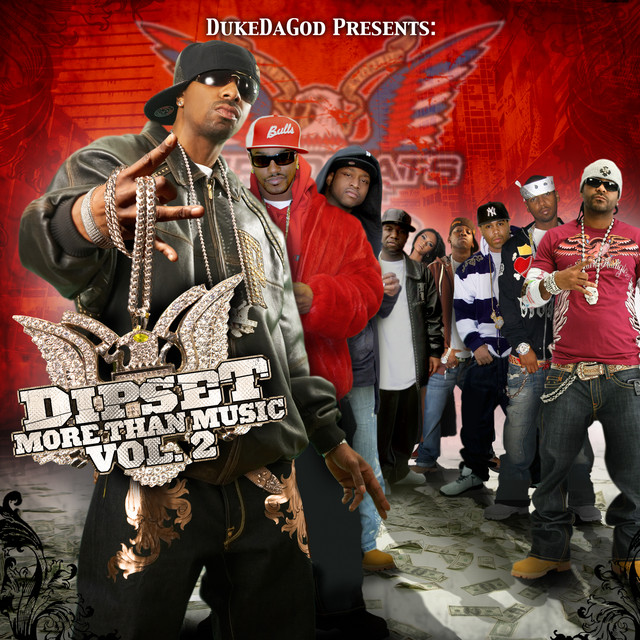
Harlem’s contribution to hip hop began taking solid shape in the late 1980s and 1990s as part of NYC’s explosive East Coast boom. The area produced a generation known for dense lyricism, clever wordplay, and a willingness to address street life head-on. A key figure often highlighted for Harlem’s late-90s rise is Big L, whose razor-sharp punchlines and street-centered storytelling made him a touchstone for Harlem’s lyrical reputation. Moving into the late 1990s and early 2000s, Harlem’s scene widened with the ascent of Mase and the Harlem World crew, who helped fuse radio-ready hits with rugged street narratives. The Diplomat entourage—Cam’ron, Jim Jones, Juelz Santana and their collaborators—became a booming focal point in the mid- to late-2000s, turning Harlem into a hub for a flamboyant, fashion-forward, streetwise sound that still echoed in clubs and on mixtapes.
Key artists and ambassadors
Harlem’s most influential ambassadors span several decades. Big L remains a touchstone for his intricate rhymes and fearless storytelling. Mase, with Harlem World, brought melodic swagger and mainstream visibility to Harlem’s street poetry in the late 1990s. Cam’ron and the Diplomats (Dipset) defined a particular Harlem aesthetic—tight, punchy rhymes, bold punchlines, and a fashion-forward, varsity-swag vibe that extended beyond lyrics into the way artists presented themselves. Jim Jones and Juelz Santana continued that lineage into the 2000s, maintaining Harlem’s reputation for charismatic, narrative-driven songs. In the 2010s and beyond, A$AP Rocky and A$AP Ferg helped redefine Harlem’s modern sound, blending high-fashion influence, experimental production, and a global outlook while keeping a distinctly Harlem attitude at the core. From underground mixtapes to chart success, these artists act as ambassadors who carry Harlem’s storytelling ethos into new contexts.
Musical characteristics and culture
Harlem hip hop often centers vivid street narratives, clever wordplay, and an outward confidence that mirrors Harlem’s own cultural history. The production has ranged from gritty boom-bap to club-friendly, brass-informed beats, with vocal deliveries that can be nasal and sharp or smooth and melodic, depending on the era and the artist. Lyrical density, punchy flows, and a sense of swagger—both in lyrics and fashion—are common threads. The Apollo’s legacy and Harlem’s dynamic nightlife contributed to a performance culture where live delivery and stage presence mattered as much as studio charts.
Global reach and relevance
Harlem hip hop remains most deeply rooted in New York and the United States, but its influence stretches worldwide. East Coast hip hop, including Harlem’s contributions, has found enthusiastic audiences in Canada, the United Kingdom, France, Germany, Japan, and beyond, especially among listeners who value lyricism, street narratives, and fashion-forward aesthetics. With artists like A$AP Rocky and friends continually internationalizing the sound, Harlem’s voice continues to resonate across borders.
In sum, Harlem hip hop is less a single sound than a living, evolving embodiment of a neighborhood’s voice: historically grounded, lyrically fierce, and forever poised at the crossroads of street reality and stylish ambition.
Origins and birth
Harlem’s contribution to hip hop began taking solid shape in the late 1980s and 1990s as part of NYC’s explosive East Coast boom. The area produced a generation known for dense lyricism, clever wordplay, and a willingness to address street life head-on. A key figure often highlighted for Harlem’s late-90s rise is Big L, whose razor-sharp punchlines and street-centered storytelling made him a touchstone for Harlem’s lyrical reputation. Moving into the late 1990s and early 2000s, Harlem’s scene widened with the ascent of Mase and the Harlem World crew, who helped fuse radio-ready hits with rugged street narratives. The Diplomat entourage—Cam’ron, Jim Jones, Juelz Santana and their collaborators—became a booming focal point in the mid- to late-2000s, turning Harlem into a hub for a flamboyant, fashion-forward, streetwise sound that still echoed in clubs and on mixtapes.
Key artists and ambassadors
Harlem’s most influential ambassadors span several decades. Big L remains a touchstone for his intricate rhymes and fearless storytelling. Mase, with Harlem World, brought melodic swagger and mainstream visibility to Harlem’s street poetry in the late 1990s. Cam’ron and the Diplomats (Dipset) defined a particular Harlem aesthetic—tight, punchy rhymes, bold punchlines, and a fashion-forward, varsity-swag vibe that extended beyond lyrics into the way artists presented themselves. Jim Jones and Juelz Santana continued that lineage into the 2000s, maintaining Harlem’s reputation for charismatic, narrative-driven songs. In the 2010s and beyond, A$AP Rocky and A$AP Ferg helped redefine Harlem’s modern sound, blending high-fashion influence, experimental production, and a global outlook while keeping a distinctly Harlem attitude at the core. From underground mixtapes to chart success, these artists act as ambassadors who carry Harlem’s storytelling ethos into new contexts.
Musical characteristics and culture
Harlem hip hop often centers vivid street narratives, clever wordplay, and an outward confidence that mirrors Harlem’s own cultural history. The production has ranged from gritty boom-bap to club-friendly, brass-informed beats, with vocal deliveries that can be nasal and sharp or smooth and melodic, depending on the era and the artist. Lyrical density, punchy flows, and a sense of swagger—both in lyrics and fashion—are common threads. The Apollo’s legacy and Harlem’s dynamic nightlife contributed to a performance culture where live delivery and stage presence mattered as much as studio charts.
Global reach and relevance
Harlem hip hop remains most deeply rooted in New York and the United States, but its influence stretches worldwide. East Coast hip hop, including Harlem’s contributions, has found enthusiastic audiences in Canada, the United Kingdom, France, Germany, Japan, and beyond, especially among listeners who value lyricism, street narratives, and fashion-forward aesthetics. With artists like A$AP Rocky and friends continually internationalizing the sound, Harlem’s voice continues to resonate across borders.
In sum, Harlem hip hop is less a single sound than a living, evolving embodiment of a neighborhood’s voice: historically grounded, lyrically fierce, and forever poised at the crossroads of street reality and stylish ambition.