Genre
harp
Top Harp Artists
Showing 19 of 19 artists





About Harp
Harp, as a music genre, is less a single style than a family of sounds centered on a single instrument with a vast emotional range. From ancient ceremonial plucks to celestial arpeggios in modern concert halls, harp music spans folk, classical, and contemporary experiments. It embraces everything from luminous, glimmering textures to earthier, rhythmic dance passages, and it often serves as a coloristic voice that can carry both intimate solos and full orchestral statements.
Origins and birth of the instrument, and how the genre took shape
The harp’s lineage runs deep in world history. Early harps appear in ancient Mesopotamian and Egyptian art, and the instrument surfaces in many cultures across Europe, Asia, and Africa. In Ireland and Scotland, the Gaelic clàrsach or Irish harp crystallized into a symbolic and practical tradition by the medieval era, while in Brittany and parts of France the Celtic harps contributed to a vibrant regional soundscape. The modern “harp” in the concert hall emerged with the pedal harp, a design perfected in Paris by Sébastien Érard in the early 19th century. The double‑action mechanism, which allows full chromatic notes via pedals, transformed the instrument into a versatile, orchestra-ready voice and expanded harp literature beyond dance tunes and solo licentiousness into continuous repertoire for classical, chamber, and later contemporary music.
Key artists, ambassadors, and moments
- Turlough O’Carolan (c. 1670–1738) stands as a foundational figure in harp repertoire, composing a vast canon of airs and tunes for the Irish harp that still informs folk performance today. He is often celebrated as one of the earliest true “ambassadors” of the harp in a European tradition.
- Carlos Salzedo (1885–1969) reshaped 20th‑century harp technique and repertoire from the United States. Through virtuosic performance, new pedagogical works, and commission-driven programming, he positioned the harp as a serious concert instrument and helped create a continental school of harp playing and composition.
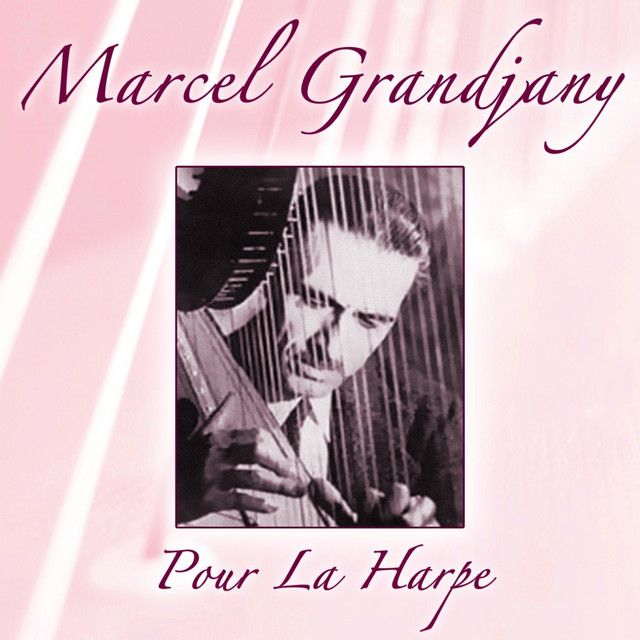
- Marcel Grandjany (1901–1973) carried Salzedo’s lineage to the next generation, teaching at Juilliard and shaping a generation of harpists with elegant, expressive technique and a robust recital repertoire.
- Alan Stivell (b. 1944) catalyzed the modern Celtic harp revival from Brittany, blending traditional Breton pieces with rock-infused influences. His records and live performances brought Celtic harp music to a broad, international audience, reinforcing the harp’s status as a flagship of cultural fusion.
- In the classical concert hall, composers such as Mozart (Concerto for Harp and Orchestra in C major, K. 299) and Ravel (Introduction et Allegro for harp with string quartet) highlighted the instrument’s lyrical and dramatic capabilities, helping the harp become a staple of orchestral color and virtuosity.
Geography and popularity
Harps enjoy global reach, but certain centers are especially influential. Ireland and Brittany cultivate strong folk and Celtic harp traditions that feed into international interest. France remains a historic cradle for classical harp technique and new works, while the United States has been a major hub for pedagogy, repertoire, and contemporary experimentation since the 20th century. The instrument has found receptive audiences in the United Kingdom, continental Europe, Japan, and Australia, where players fuse traditional timbres with modern harmonies and electronics.
What the genre sounds like today
Today’s harp music ranges from pristine, diaphanous solo lines to intricate, pulse‑driven ensembles. Contemporary composers push the instrument into microtonal, electronic, and spectral domains, while traditional legends keep the instrument at the heart of narrative and melody. For music enthusiasts, harp listening offers a perpetual balance of shimmering textural color and grounded, human expressivity—an ancient voice continually reimagined for new ears.
Origins and birth of the instrument, and how the genre took shape
The harp’s lineage runs deep in world history. Early harps appear in ancient Mesopotamian and Egyptian art, and the instrument surfaces in many cultures across Europe, Asia, and Africa. In Ireland and Scotland, the Gaelic clàrsach or Irish harp crystallized into a symbolic and practical tradition by the medieval era, while in Brittany and parts of France the Celtic harps contributed to a vibrant regional soundscape. The modern “harp” in the concert hall emerged with the pedal harp, a design perfected in Paris by Sébastien Érard in the early 19th century. The double‑action mechanism, which allows full chromatic notes via pedals, transformed the instrument into a versatile, orchestra-ready voice and expanded harp literature beyond dance tunes and solo licentiousness into continuous repertoire for classical, chamber, and later contemporary music.
Key artists, ambassadors, and moments
- Turlough O’Carolan (c. 1670–1738) stands as a foundational figure in harp repertoire, composing a vast canon of airs and tunes for the Irish harp that still informs folk performance today. He is often celebrated as one of the earliest true “ambassadors” of the harp in a European tradition.
- Carlos Salzedo (1885–1969) reshaped 20th‑century harp technique and repertoire from the United States. Through virtuosic performance, new pedagogical works, and commission-driven programming, he positioned the harp as a serious concert instrument and helped create a continental school of harp playing and composition.
- Marcel Grandjany (1901–1973) carried Salzedo’s lineage to the next generation, teaching at Juilliard and shaping a generation of harpists with elegant, expressive technique and a robust recital repertoire.
- Alan Stivell (b. 1944) catalyzed the modern Celtic harp revival from Brittany, blending traditional Breton pieces with rock-infused influences. His records and live performances brought Celtic harp music to a broad, international audience, reinforcing the harp’s status as a flagship of cultural fusion.
- In the classical concert hall, composers such as Mozart (Concerto for Harp and Orchestra in C major, K. 299) and Ravel (Introduction et Allegro for harp with string quartet) highlighted the instrument’s lyrical and dramatic capabilities, helping the harp become a staple of orchestral color and virtuosity.
Geography and popularity
Harps enjoy global reach, but certain centers are especially influential. Ireland and Brittany cultivate strong folk and Celtic harp traditions that feed into international interest. France remains a historic cradle for classical harp technique and new works, while the United States has been a major hub for pedagogy, repertoire, and contemporary experimentation since the 20th century. The instrument has found receptive audiences in the United Kingdom, continental Europe, Japan, and Australia, where players fuse traditional timbres with modern harmonies and electronics.
What the genre sounds like today
Today’s harp music ranges from pristine, diaphanous solo lines to intricate, pulse‑driven ensembles. Contemporary composers push the instrument into microtonal, electronic, and spectral domains, while traditional legends keep the instrument at the heart of narrative and melody. For music enthusiasts, harp listening offers a perpetual balance of shimmering textural color and grounded, human expressivity—an ancient voice continually reimagined for new ears.